
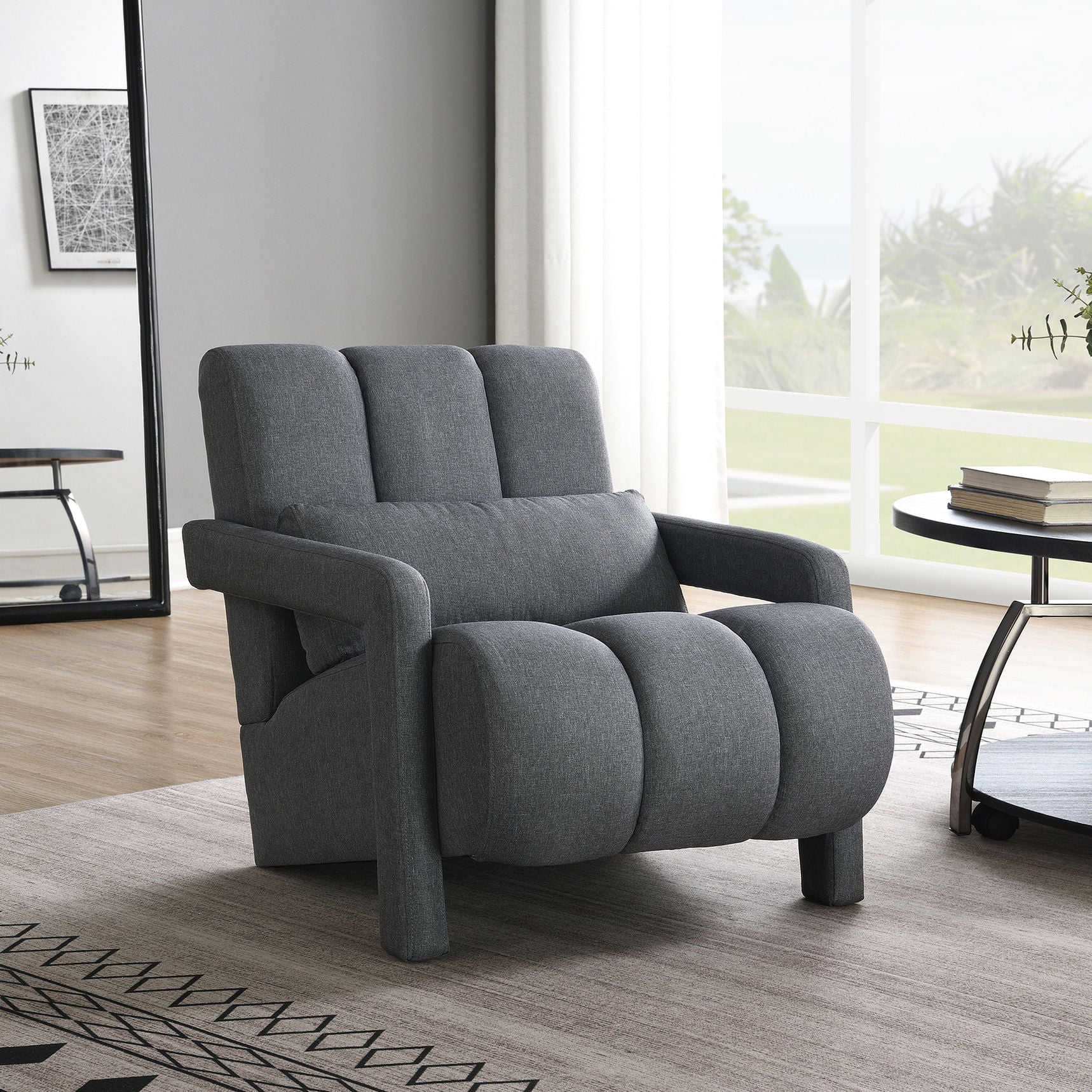
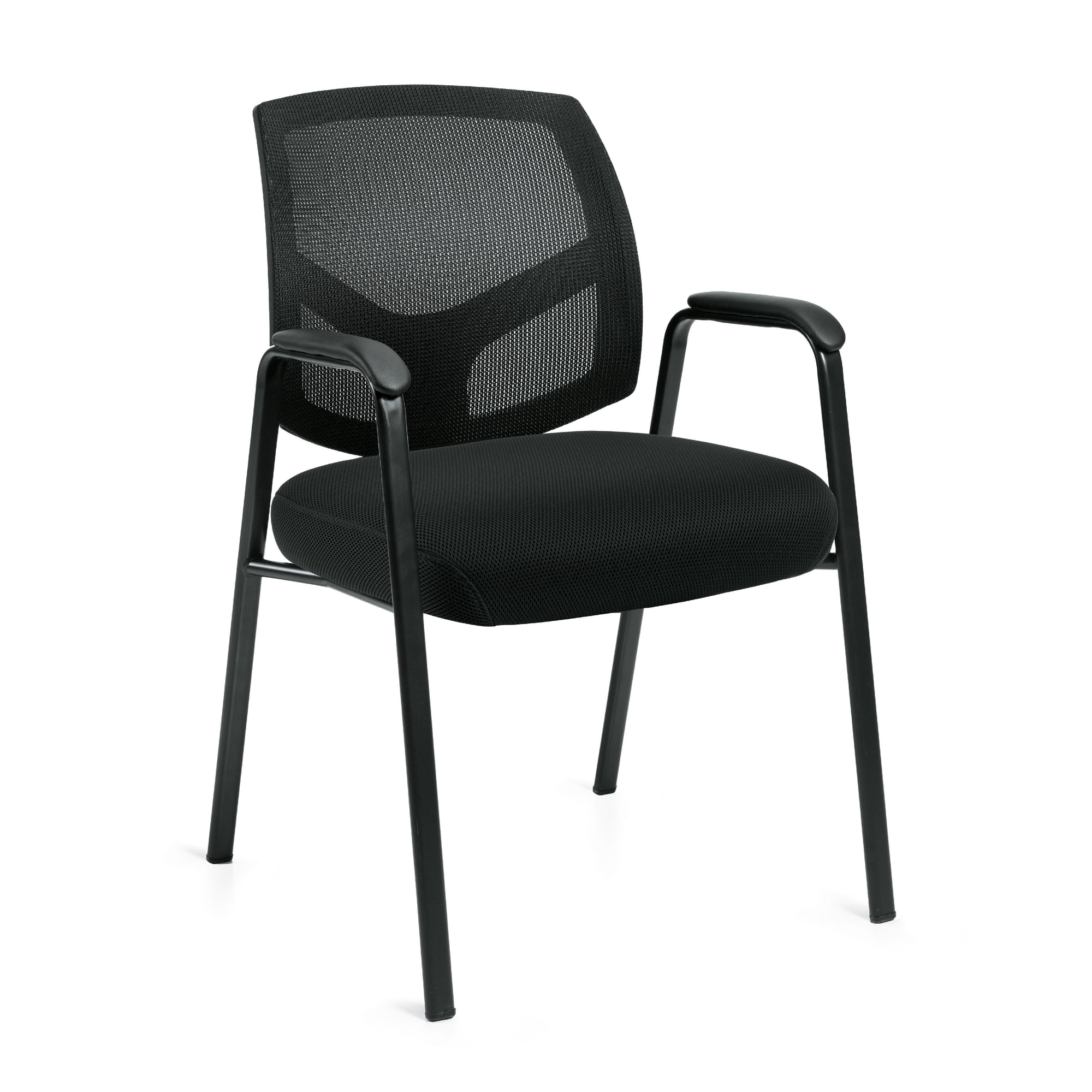
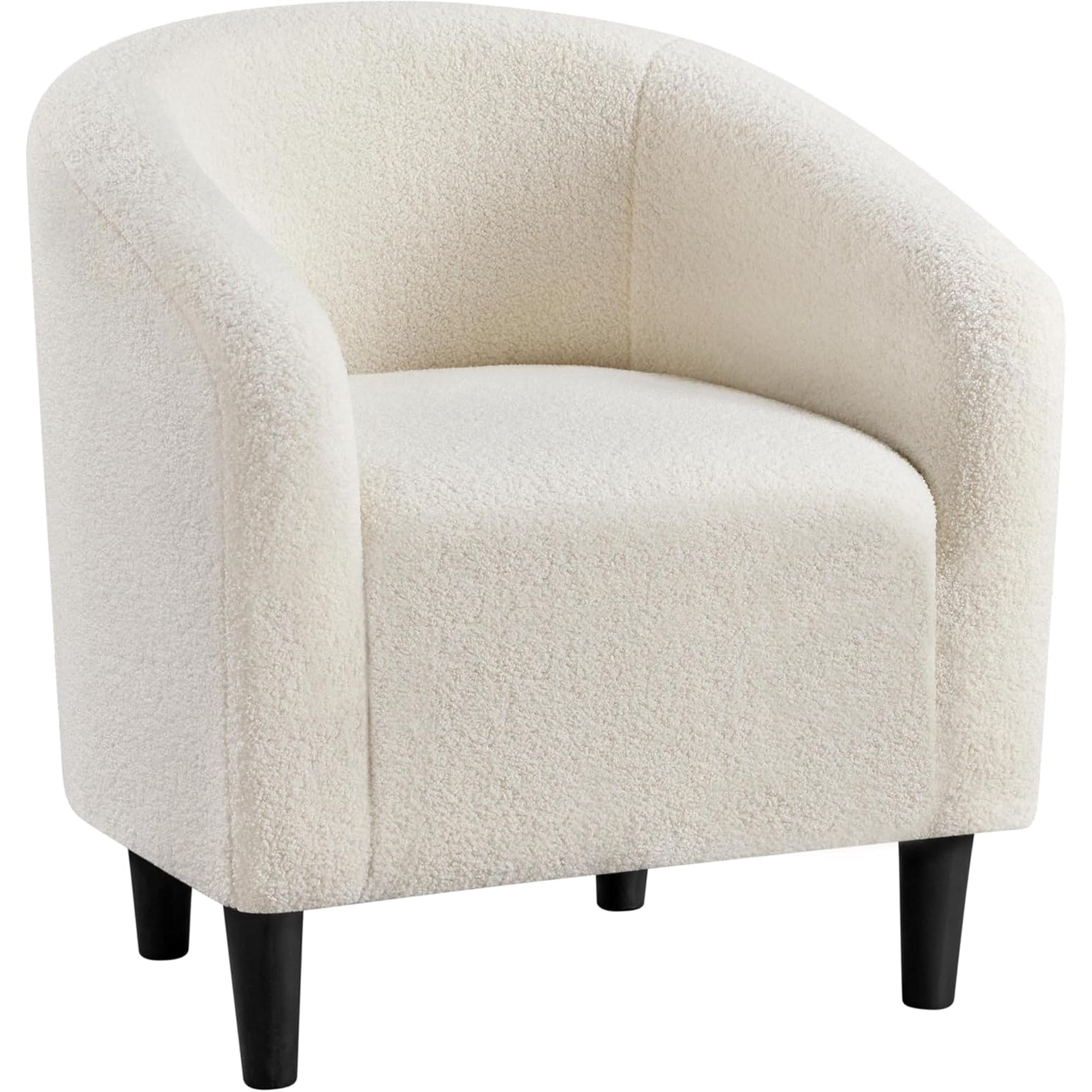
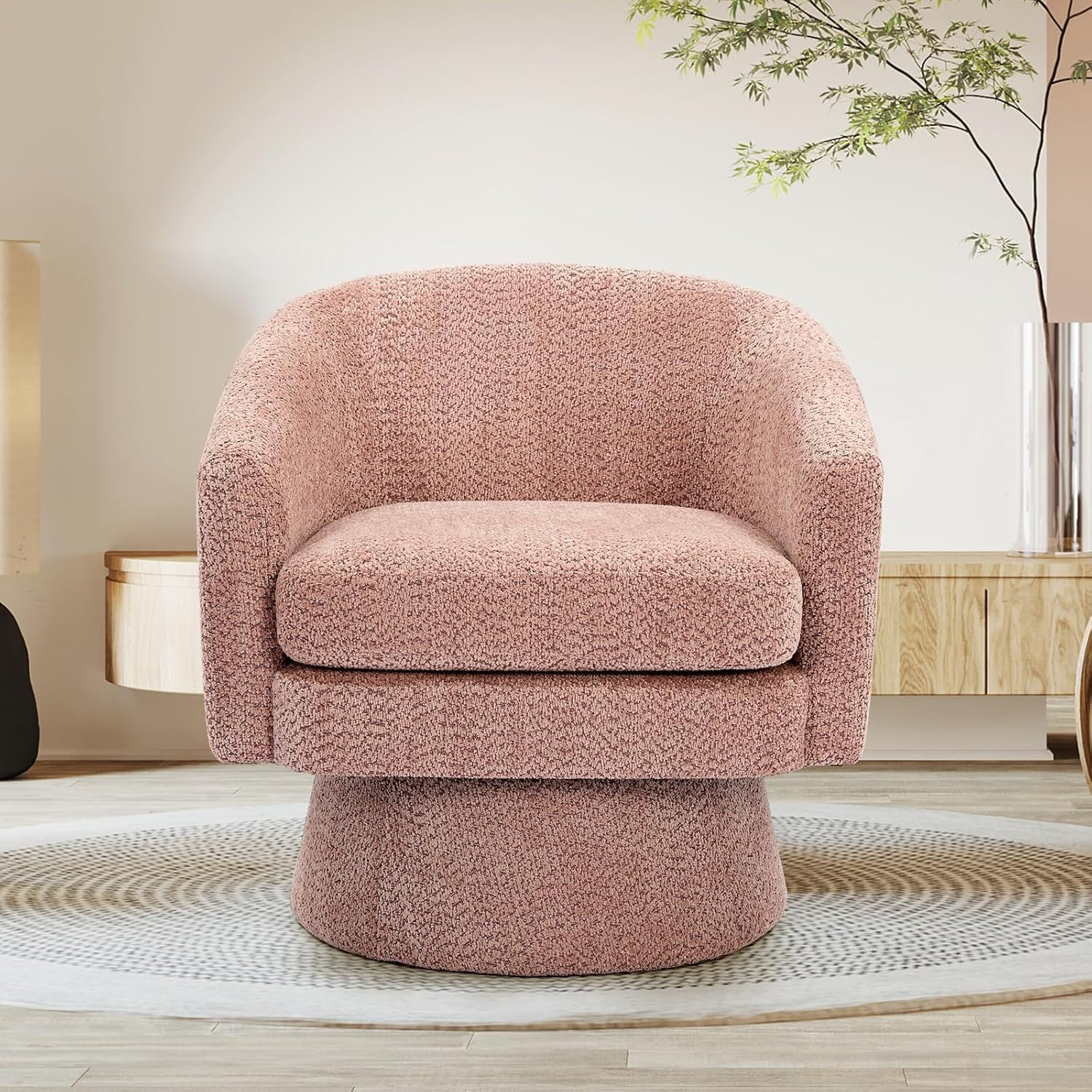
Why a Small Office Armchair is the Smart Choice for Modern Workspaces
In today's dynamic work environment, space is a luxury. Whether you're setting up a home office in a cozy corner, furnishing a compact cubicle, or creating a flexible workstation, a small office armchair offers the perfect balance of comfort, ergonomics, and footprint. These chairs are specifically engineered to provide full support without dominating your floor plan.
Did you know? According to a 2024 workplace study, 68% of remote workers use a space of less than 50 square feet for their home office. A compact, well-designed armchair can increase usable workspace by up to 35% compared to traditional executive chairs.
Key Features of a High-Quality Small Office Armchair
Despite their smaller size, premium compact armchairs are packed with features that rival their larger counterparts. Here's what to look for:
- Space-Saving Design: Narrow profiles (typically 18-22 inches wide) that fit under desks and in tight spaces.
- Ergonomic Support: Contoured backrests and adjustable lumbar options to prevent back strain during long work hours.
- Durable Materials: High-quality mesh, breathable fabric, or bonded leather that withstands daily use.
- Smart Adjustability: Height adjustment, tilt tension, and sometimes 360-degree swivel for flexibility.
- Mobility: Smooth-rolling casters (or stationary options) that work well on various floor types.
Choosing the Perfect Small Office Armchair
Selecting the right compact chair involves more than just measuring your space. Consider these critical factors to ensure you get the best fit for your body and work habits:
| Feature | Why It Matters for Small Spaces | What to Look For |
|---|---|---|
| Seat Width & Depth | Ensures the chair fits your body comfortably without wasting space. | Width: 18-20" for petite to average builds. Depth: 16-18" to support thighs without pressure. |
| Backrest Height | Provides adequate lumbar and upper back support while keeping a low profile. | Mid-back (16-20") is ideal for most compact chairs. High-back options are available but may feel bulkier. |
| Armrests | Armrests add comfort but can hinder tucking the chair under a desk. Flip-up or adjustable arms solve this. | Fixed, flip-up, or adjustable-height arms. For maximum space saving, consider armless designs. |
| Base & Casters | A stable base with appropriate casters ensures smooth movement and protects your flooring. | Five-star nylon base. Soft-rolling casters for hardwood, or carpet-specific casters for thick rugs. |
| Material & Breathability | Affects comfort during extended use and the chair's overall aesthetic. | Mesh for breathability, fabric for warmth, or bonded leather for a professional look. |
Health Benefits of a Properly Fitted Small Armchair
Don't let the compact size fool you. A well-designed small office armchair can deliver significant health benefits that enhance your daily productivity and well-being:
Better Posture
Proper lumbar support encourages a neutral spine position, reducing slouching.
Reduced Leg Fatigue
Correct seat depth prevents pressure behind the knees, improving circulation.
Improved Focus
A comfortable chair minimizes distractions from discomfort, helping you stay on task.
Versatile Aesthetics
Compact chairs come in various styles—from modern mesh to classic upholstered—to match any decor.
Finding Your Perfect Fit: A Comprehensive Guide to Small Office Armchairs
Selecting the ideal small office armchair is like choosing the right pair of shoes. It has to fit perfectly, provide support, and look good, all while not taking up more space than you have. This guide breaks down the essential aspects to help you make an informed decision that you'll be happy with for years.
1. Sizing Up Your Space (and Yourself)
Before you start browsing, grab a tape measure. Measure the width, depth, and height of the area where you plan to place the chair. Don't forget to measure under your desk—you need to ensure the chair can slide in comfortably when not in use. Then, consider your own dimensions. A petite person will be overwhelmed by a large executive chair, while a taller individual might find a very small chair too cramped. Compact doesn't mean one-size-fits-all.
2. Armrests: To Have or Not to Have?
This is a crucial decision. For a small office armchair, armrests can be a mixed blessing. Fixed arms can prevent the chair from fitting under a low desk, making them less practical. However, armrests do offer valuable support for your arms and shoulders, reducing strain. The solution? Look for chairs with flip-up armrests or adjustable arms. This way, you get the best of both worlds: you can flip them up to tuck the chair away, and lower them when you need support. Alternatively, an armless design is the ultimate space-saver and works wonderfully for those who prefer to rest their arms on the desk.
3. Material Matters: Comfort and Durability
The material of your small office armchair affects everything from comfort to maintenance. Here's a quick rundown:
- Mesh: Highly breathable, keeping you cool during long work sessions. Ideal for warmer climates. Easy to clean and typically lightweight.
- Fabric: Soft, comfortable, and available in a wide range of colors and textures. Great for creating a cozy, inviting feel. May require more careful cleaning.
- Bonded Leather: Offers a professional, upscale look at a more affordable price than genuine leather. Easy to wipe clean, but may not be as durable or breathable as other options.
- Ergonomic Foam: High-density foam in the seat cushion is essential for comfort and longevity. Avoid overly soft foam that compresses quickly.
4. Essential Adjustments for Personalized Comfort
Even with a small footprint, your chair should have some adjustability. At a minimum, look for pneumatic height adjustment so you can align your elbows with your desk. A tilt tension knob allows you to customize the rocking resistance, which can be surprisingly helpful for micro-movements that keep your back active. Some models also offer seat depth adjustment, which is great if you have longer legs.
5. Mobility and Floor Protection
Consider the flooring in your office. For hardwood or tile floors, look for chairs with soft-rolling casters (often made of polyurethane) that won't scratch or scuff. For carpeted areas, standard nylon casters are usually fine, but for thick pile, you may need larger, specialist casters. If you prefer a stationary chair, some compact armchairs come with a fixed base, which can be more stable and won't roll away.
Pro Tip: The average person shifts their sitting position over 100 times per hour. A well-designed small office armchair with the right adjustments and mobility supports these natural movements, reducing the risk of stiffness and promoting better circulation.
Frequently Asked Questions About Small Office Armchairs
Conclusion & Final Recommendations
Investing in a small office armchair is a smart move for anyone looking to optimize their workspace without compromising on comfort or health. These chairs are proof that good things come in small packages. By focusing on ergonomic design, quality materials, and the right fit for your space and body, you can find a compact chair that enhances your daily work experience.
Quick Recommendations
A sleek mesh-back small office armchair with a breathable seat and adjustable height. It's lightweight, easy to move, and keeps you cool.
A compact upholstered armchair in a neutral fabric or bonded leather. It adds a touch of elegance while fitting neatly into smaller spaces.
An armless or flip-up armchair with essential ergonomics. Prioritize seat comfort and lumbar support over premium materials to get the best value.
Remember, the best small office armchair is one that you'll look forward to sitting in every day. Take your time, assess your needs, and choose a chair that feels like it was made just for you and your workspace.