
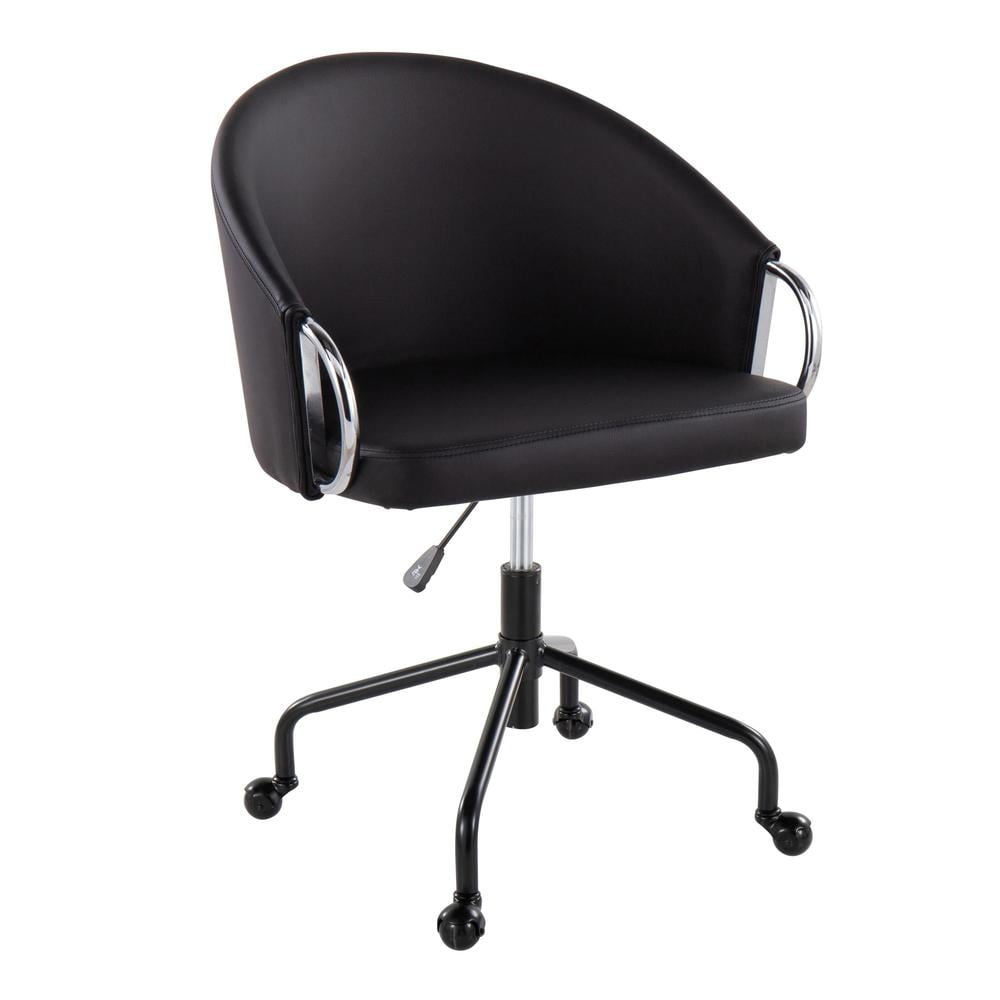
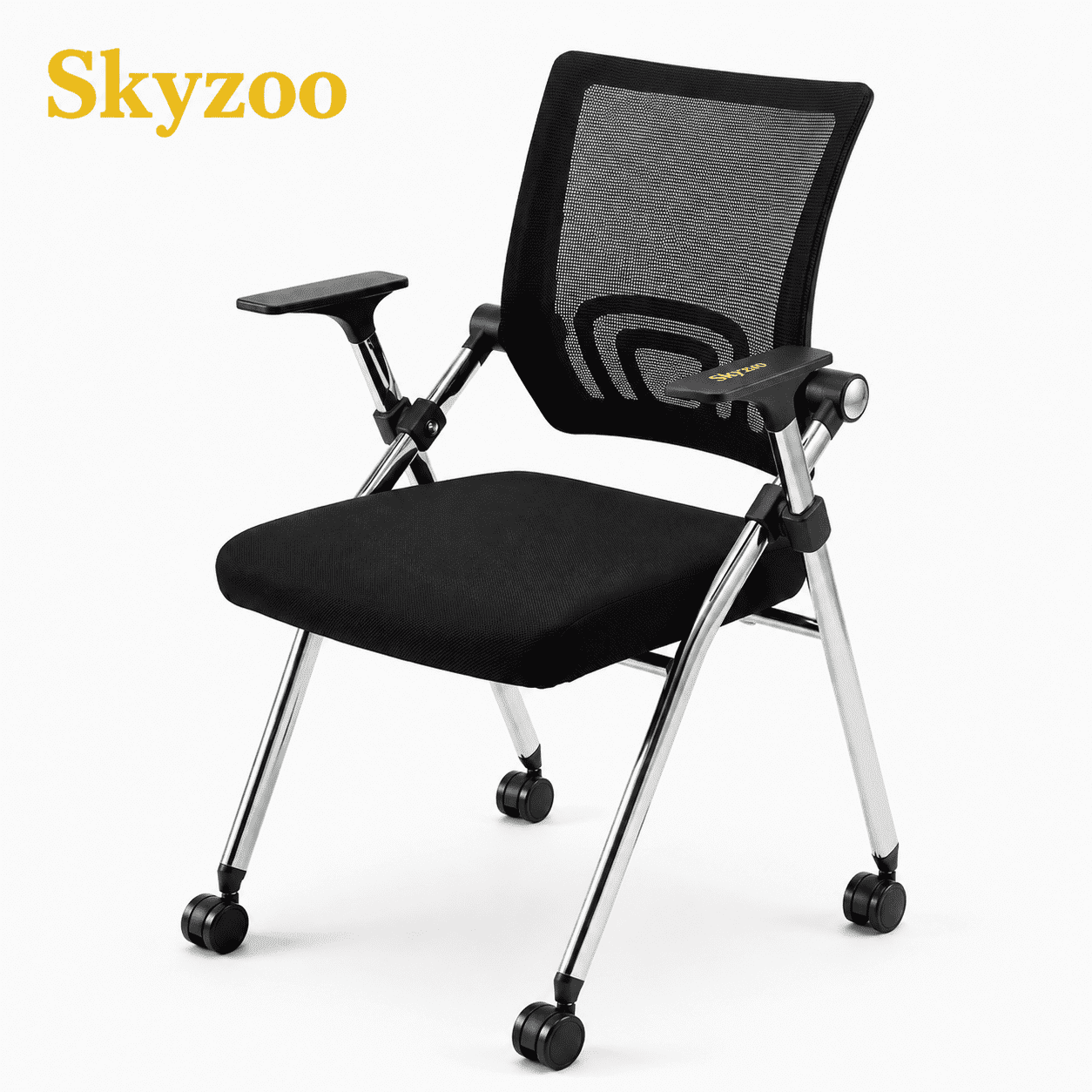
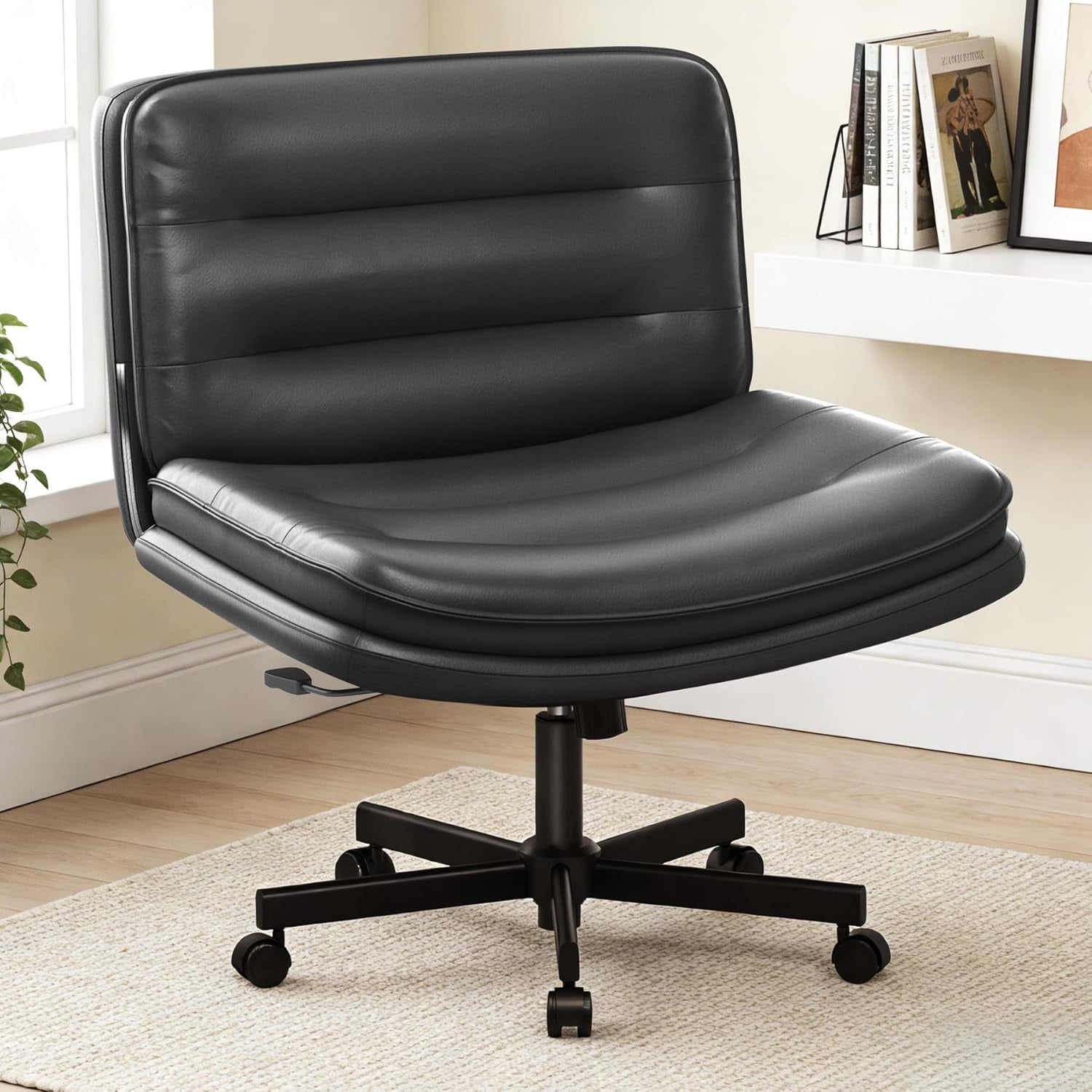
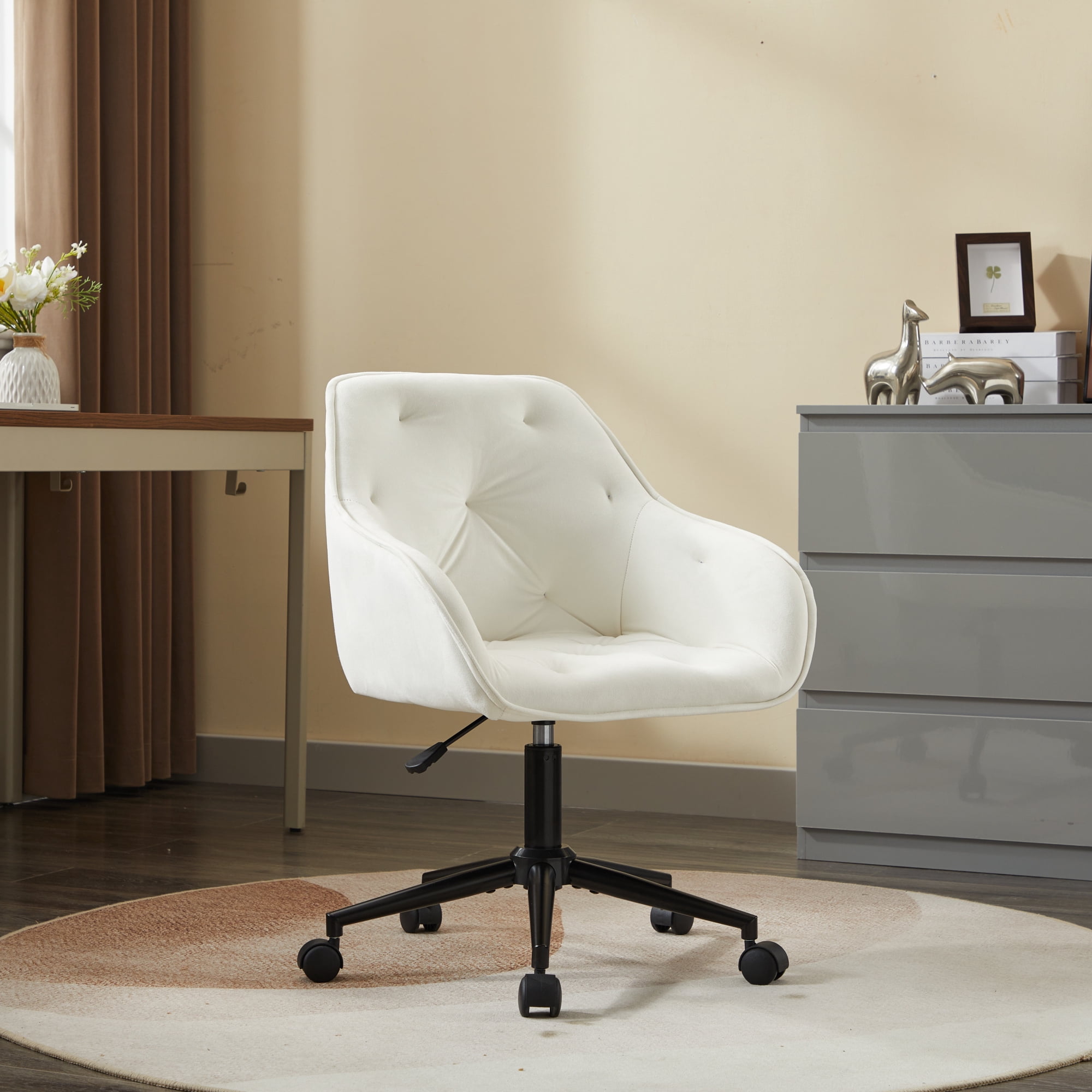
The Definitive Guide to Choosing an Office Chair With Wheels for Carpet
Finding the ideal office chair with wheels for carpet is about more than just comfort—it is a strategic decision that enhances your workflow and protects your floors. Many professionals underestimate the importance of the right casters. A chair that glides effortlessly on a hard floor can become a frustrating anchor on a thick, plush carpet. This guide is your roadmap to understanding the nuances of carpet-friendly office seating, ensuring you invest in a chair that performs as well as it looks.
Key Insight: According to a survey by the National Floor Safety Institute, choosing the wrong type of caster can reduce your office chair's rollability by up to 70%. The right wheels, however, can increase mobility by 80% and prevent fatigue caused by struggling to move or adjust your position.
The Anatomy of a Carpet-Friendly Office Chair
Not all wheels are created equal. When you are searching for a rolling chair specifically for a carpeted environment, you need to look beyond the seat and backrest. The casters—the technical term for the wheels—are the unsung heroes of your office setup. Here's what makes a chair excel on carpet:
- Caster Material: Soft Polyurethane or Rubber is ideal. Unlike hard plastic, these materials provide the necessary friction to grip the carpet fibers and allow the wheel to turn, rather than skid, across the surface.
- Caster Size & Design: Larger wheels are better for navigating carpet. They bridge the uneven terrain of carpet fibers more effectively. "Blade" or "rollerblade" style casters have a wider surface area that prevents them from sinking into the pile.
- Dual-Wheel Casters: Some chairs feature dual-wheel casters which distribute the weight more evenly. This design reduces the pressure on any single point of the carpet, minimizing indentations and making rolling smoother.
- Weight Capacity: A chair with a higher weight capacity will often have a more robust base and larger casters, which are inherently better at handling the resistance of a thick carpet.
Why Standard Casters Fail on Carpet
If you have ever found yourself struggling to push back from your desk or feeling like you are wading through mud just to swivel, your chair is a victim of caster mismatch. Standard office chair casters are typically made of a hard nylon or plastic. On a smooth surface, these roll effortlessly. On carpet, however, they create a high-friction situation. The hard edges of the caster dig into the carpet fibers, which causes them to bind and resist movement. This not only makes the chair difficult to maneuver but also puts unnecessary strain on the wheel's axle and your own back as you overcompensate to move the chair.
Choosing the Right Casters for Your Carpet Type
Selecting the right caster depends largely on the type of carpet you have in your office. Making the wrong choice can lead to a frustrating experience. Use this breakdown to make an informed decision:
| Carpet Type | Recommended Caster Type | Why It Works |
|---|---|---|
| Low-Pile Carpet (Commercial/Office) | Standard Soft Polyurethane | Provides the perfect balance of grip and glide. The soft compound allows the wheel to roll smoothly without excessive force. |
| Medium-Pile Carpet (Residential) | Large Polyurethane or Hardwood Floor Casters | Offers a wider contact patch, which prevents the chair from sinking too deep into the carpet, maintaining easy rollability. |
| High-Pile/Plush Carpet (Thick & Shaggy) | Blade/Rollerblade Casters | The wide, wheel-like design distributes weight, rolling *over* the pile rather than getting stuck in it, providing unmatched mobility. |
More Than Just Wheels: Ergonomic Features
While mobility is crucial, a great office chair with wheels for carpet must also be a sanctuary of support. If the chair moves easily but causes discomfort, you'll still face daily pain and fatigue. Prioritize these ergonomic features to ensure your comfort:
Adjustable Lumbar Support
Maintains your spine's natural curve, preventing slouching. This is the most critical feature for avoiding long-term back pain.
Seat Depth Adjustment
Ensures your back can rest against the backrest while leaving a small gap (2-3 inches) between the seat edge and your knees for better circulation.
3D or 4D Armrests
Allow you to adjust the armrests in multiple directions, ensuring your shoulders are relaxed and your wrists are in a neutral typing position.
Multi-Function Recline
Provides the ability to rock or lock the chair in a comfortable recline angle, taking pressure off your lower back and encouraging dynamic sitting.
Material Considerations for Carpet-Friendly Office Chairs
The upholstery of your office chair affects not only its aesthetic but also its maintenance and comfort, especially in a carpeted space where dust and allergens can settle. Selecting the right material ensures your chair remains in top condition.
Leather & Faux Leather
Advantages
- Professional Look: Exudes elegance and authority.
- Easy to Clean: Dust and debris can be wiped away effortlessly.
- Durable: High-quality leather can last for many years.
Limitations
- Temperature Sensitivity: Can feel sticky in summer and cold in winter.
- Maintenance: Requires regular conditioning to prevent cracking.
- Cost: Genuine leather chairs are a significant investment.
Breathable Mesh
Advantages
- Breathability: Excellent air circulation prevents overheating.
- Flexible Support: Conforms to your back's movements.
- Lightweight: Typically lighter than leather chairs.
Limitations
- Less Padding: Offers less cushioning for the back.
- Durability: Mesh can stretch or sag over time.
- Cleaning: Dust can accumulate in the weave.
High-Quality Fabric
Advantages
- Comfort: Soft, warm, and comfortable for long periods.
- Aesthetic Variety: Available in a wide range of colors and patterns.
- Cost-Effective: More affordable than premium leather.
Limitations
- Stain Susceptibility: Prone to absorbing spills and stains.
- Allergen Retention: Can trap dust and pet dander.
- Cleaning Difficulty: Often requires professional cleaning.
Quick Comparison Table: Caster Materials for Carpets
| Caster Type | Best For | Mobility | Carpet Protection | Durability |
|---|---|---|---|---|
| Hard Plastic | Hard floors, low-pile carpet | Low | Poor (can create indentations) | Good |
| Soft Polyurethane | Low to medium-pile carpet | Good | Excellent | Excellent |
| Blade/Rollerblade | High-pile and plush carpets | Excellent | Excellent (distributes weight) | Excellent |
Ultimate Selection Guide: Office Chair With Wheels for Carpet
Choosing the right chair for your carpeted office involves a systematic approach. Follow this step-by-step guide to ensure you select a chair that meets all your needs.
Step 1: Assess Your Carpet
- Pile Height: Measure the depth of your carpet. Use a ruler to see how many inches it stands.
- Density: Is it soft and plush, or firm and tightly woven? This affects how a caster will interact with it.
- Padding: Does the carpet have a thick underlay? This adds extra resistance for the wheels.
Step 2: Define Your Work Style
Work Style Matrix
You frequently move between tasks. Prioritize chairs with rollerblade or large polyurethane casters for effortless gliding.
You tend to sit for long periods without moving. Focus on ergonomic support (lumbar, seat depth) more than the casters.
You regularly swivel to talk to colleagues or reach for files. Choose chairs with a smooth 360-degree swivel and responsive casters.
Step 3: Set Your Budget
Investing in an office chair is an investment in your health and productivity. Consider these budget tiers for carpet-friendly chairs:
Entry-Level
Good basic support, often with standard plastic casters (plan to upgrade wheels).
Mid-Range
Excellent value, often includes better ergonomics and sometimes upgraded polyurethane casters.
Premium
Superior build quality, advanced ergonomics, and often come standard with high-quality carpet casters.
Step 4: Test & Evaluate
Pro Tip: If you are shopping online, read the reviews specifically regarding the chair's performance on carpet. Look for phrases like "rolls great on carpet" or "wheels are quiet." If possible, visit a showroom to test a chair on a similar carpet surface.
Frequently Asked Questions
Conclusion & Final Recommendations
Choosing the right office chair with wheels for carpet is a crucial decision that will impact your daily comfort, productivity, and the longevity of your office flooring. A chair equipped with the right casters will transform your workspace from a frustrating obstacle course into a fluid, efficient environment.
Final Selection Summary
Prioritize a heavy-duty chair with large blade-style casters. These offer the best mobility and prevent the chair from sinking. Look for models like those from our top picks section.
A chair with high-quality polyurethane dual-wheel casters provides an excellent balance of smooth rolling and floor protection. You don't need the most expensive casters, just the right material.
Consider a chair with standard casters and purchase a separate set of aftermarket rollerblade wheels. This allows you to upgrade the chair's mobility without buying a whole new chair, and you can take the wheels with you when you move.
Top Recommendations by Profile
| User Profile | Recommended Chair Type | Key Features to Prioritize |
|---|---|---|
| The Home Office Executive | Leather or Mesh Executive Chair | Rollerblade or polyurethane casters, adjustable lumbar, high back, and a professional aesthetic. |
| The Remote Worker | Ergonomic Task Chair | Soft carpet casters, seat depth adjustment, 3D armrests, and breathable back support. |
| The Creative Professional | Mid-Back or High-Back Mesh Chair | Excellent recline mechanism, swivel casters for easy movement, and responsive tilt for dynamic seating. |