
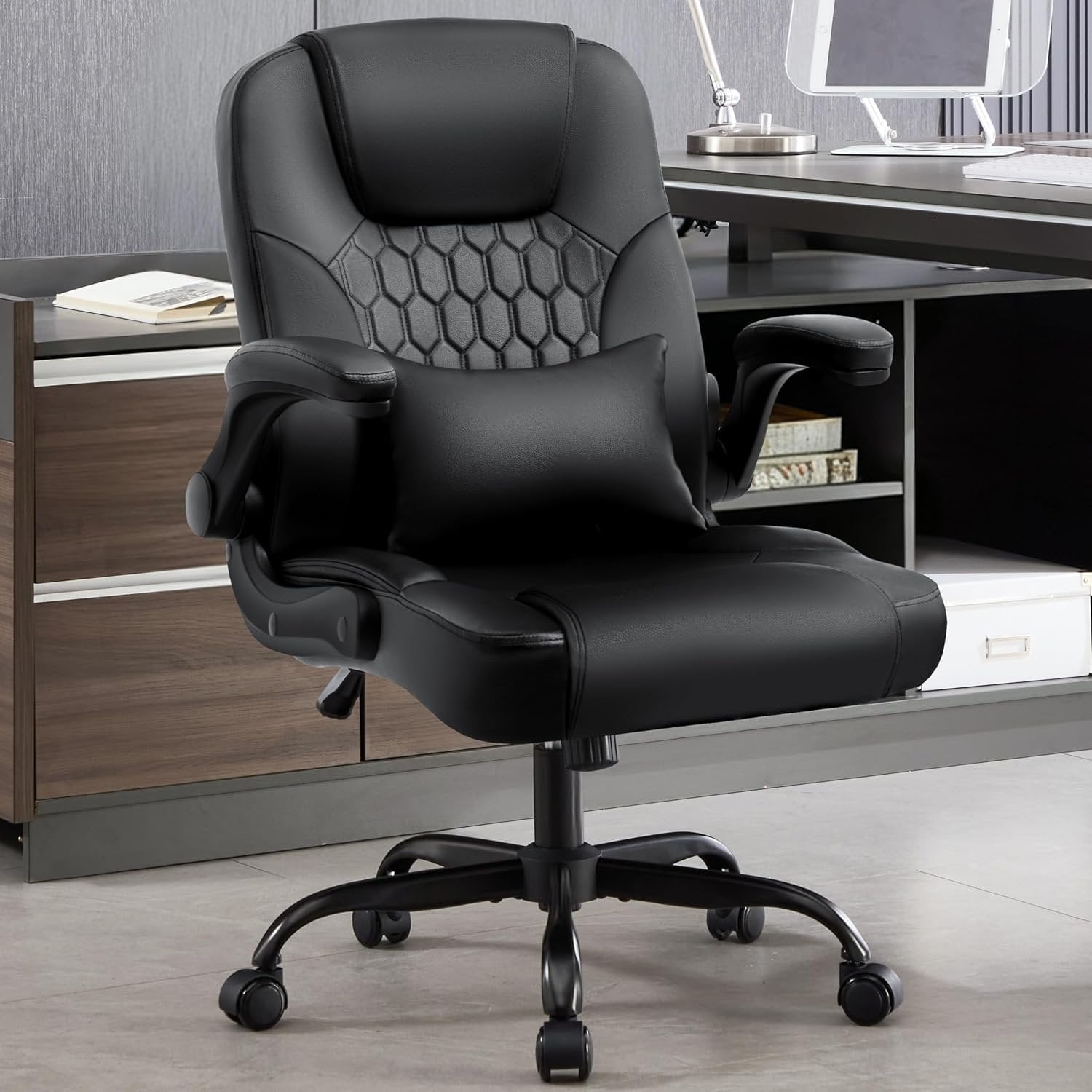
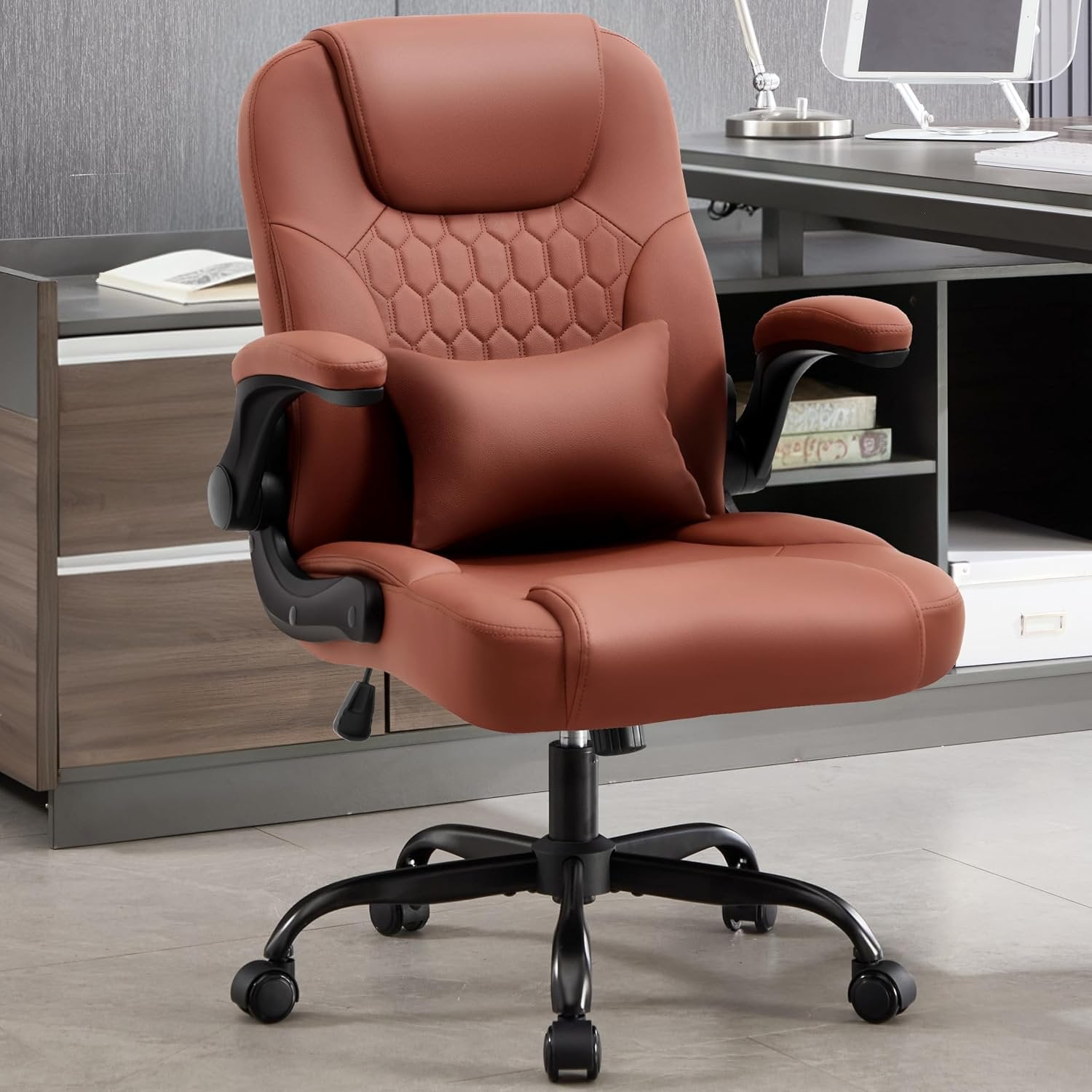
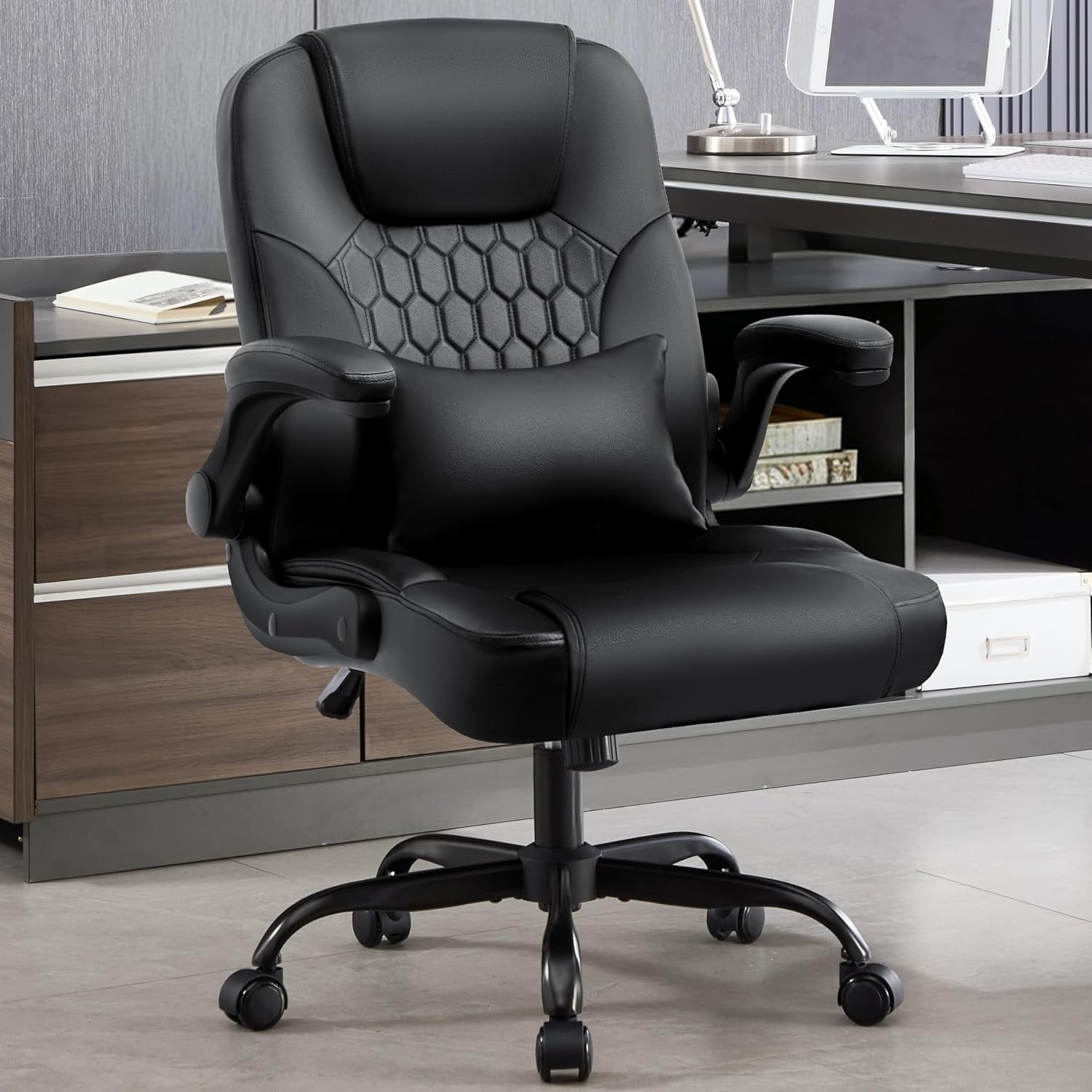
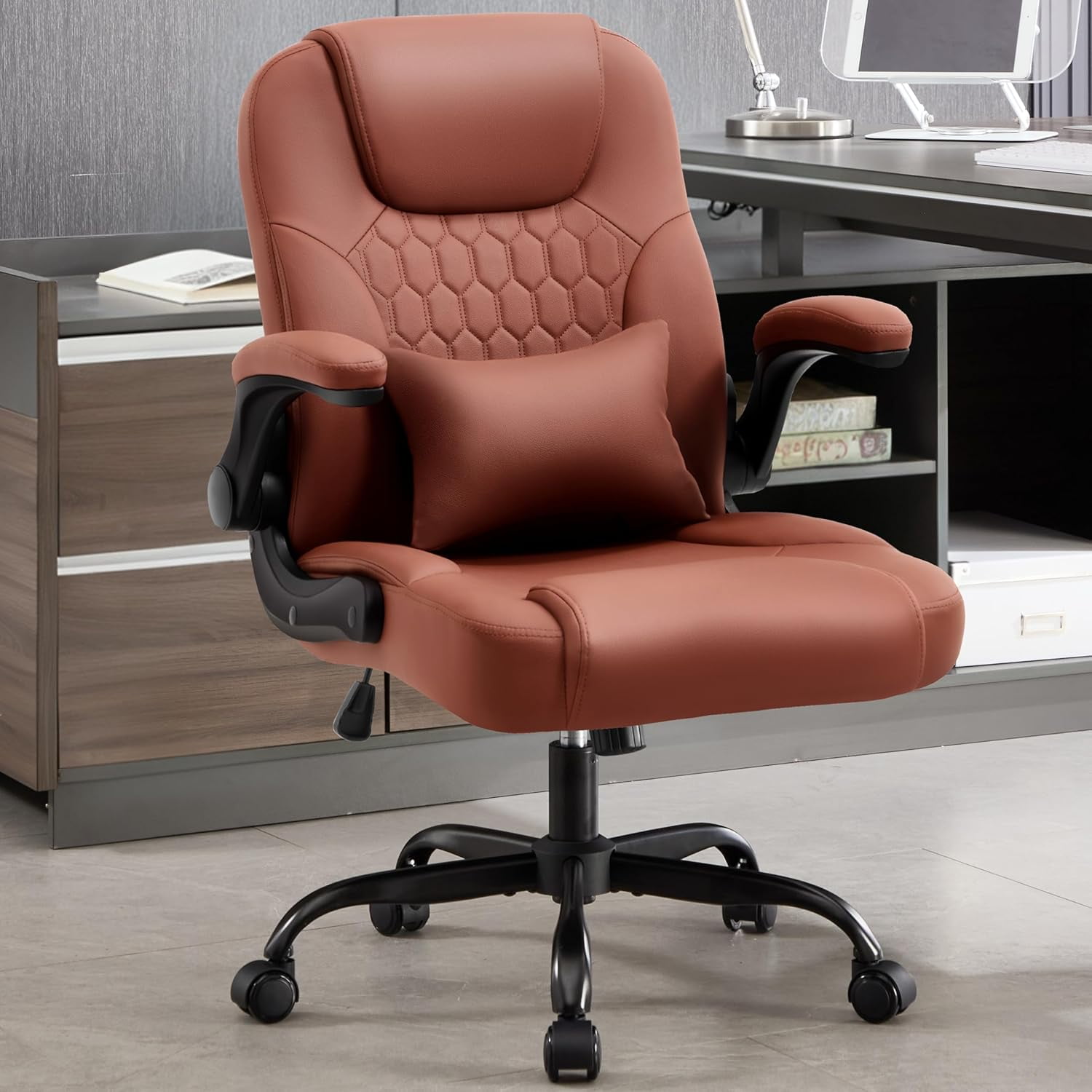
Why Standard Office Chairs Don't Fit Short People
If you're under 5'4" (162 cm), you've likely experienced the frustration of sitting in a "standard" office chair. Your feet dangle, the seat pan digs into the back of your knees, and the backrest hits you in the wrong spot. This isn't just uncomfortable—it's bad for your posture and long-term health. Short people office chairs are engineered to solve these exact problems, offering a tailored fit that promotes proper alignment and productivity.
Statistic: According to a study by the American Chiropractic Association, over 60% of office workers experience back pain, with poorly fitting chairs being a primary contributor. For petite individuals, the risk increases significantly because standard chairs are built for an "average" height of 5'9" (175 cm).
The Ergonomic Challenges for Petite Users
When you're shorter, sitting in a one-size-fits-all chair creates a cascade of ergonomic issues. Let's break down the most common problems and how the right chair solves them:
- Seat Height: Standard chairs often have a minimum seat height of 18 inches. A short person's feet won't touch the floor, leading to dangling legs that reduce circulation and cause lower back strain. A short people office chair typically adjusts down to 16 inches or lower.
- Seat Depth: If the seat is too deep, it presses against the back of your knees, restricting blood flow. This forces you to slouch forward to sit comfortably, which rounds your shoulders and strains your spine. Look for chairs with adjustable seat depth (usually 15-17 inches is ideal for petite frames).
- Armrest Height: Standard armrests are often too high for short people, forcing your shoulders to hunch up. This leads to neck and shoulder tension. Adjustable armrests that can be lowered are a must-have.
- Backrest Positioning: The lumbar support on many chairs is designed for taller torsos. For a shorter person, the lumbar curve hits the upper back instead of the lower back, providing no support where it's needed most. An adjustable backrest or a chair with a shorter backrest is a better fit.
Key Adjustments: The Hallmarks of a Great Short-Person Chair
Finding the right chair is about more than just a low seat height. Here's a detailed look at the adjustments that make all the difference for petite users.
Must-Have Adjustments
- Seat Height Range: 16" – 20" (minimum 16" or lower is essential).
- Seat Depth: Adjustable slider, with a minimum depth of 15".
- Armrest Adjustment: 3D or 4D adjustment (height, width, depth, pivot).
- Backrest Height: Adjustable up and down to align with your lumbar curve.
- Tilt Tension: Adjustable to accommodate lighter body weights.
Features to Avoid (or Approach with Caution)
- Fixed/High Armrests: If they can't be lowered, they'll cause shoulder pain.
- Seat Depth > 18": Likely too deep, will press against knees.
- Non-Adjustable Lumbar: Will likely be positioned incorrectly.
- Heavy Recline Tension: If the tilt is too stiff, lighter users can't recline comfortably.
- Bulky/Puffy Padding: Can make the seat feel higher and deeper.
Choosing the Right Chair: A Step-by-Step Guide for Short People
Navigating the world of office chairs can be overwhelming. Follow this step-by-step guide to find your perfect match.
Step 1: Measure Your Body & Workspace
- Measure Your Height: Know your exact height in inches or centimeters.
- Measure Your Knee Height: From the floor to the back of your knee while sitting. This determines your ideal seat height.
- Measure Your Torso Length: From your sitting surface to your shoulders. This helps determine the backrest height you need.
- Desk Height: Ensure your desk is compatible with your chair height. You may also need a footrest or an adjustable desk.
Step 2: Prioritize Adjustability Over Aesthetics
For a short person, adjustability is not a luxury—it's a necessity. Look for chairs that offer these three core adjustments:
Step 3: Set a Realistic Budget
You don't need to break the bank, but investing in a quality chair that fits you properly is an investment in your health. Here are typical price tiers for short people office chairs:
Entry-Level
Basic ergonomics, limited adjustability. Good for occasional use.
Mid-Range
Good adjustability (height, depth, arms). Ideal for daily use.
Premium
Full adjustability, high-quality materials, excellent lumbar support.
High-End
Top-tier ergonomics, all adjustments, premium materials, long warranties.
Step 4: Test and Evaluate (If Possible)
Pro Tip: If you can, visit a store to try chairs. Sit for at least 15 minutes. Bring a book or work on your phone to simulate a real work session. Pay attention to pressure points, how your feet rest, and whether the backrest supports your lower back properly.
If buying online, check the return policy and warranty. Many reputable brands offer trial periods and hassle-free returns, which is essential when you can't test the chair in person.
Frequently Asked Questions About Short People Office Chairs
Conclusion: Your Perfect Fit Awaits
Finding the right office chair when you're shorter than average can feel like a daunting task, but it's one of the most impactful investments you can make in your comfort and productivity. By focusing on adjustability—particularly seat height, seat depth, and armrest height—you can transform your workspace from a source of pain to a haven of support.
Remember, a chair that fits properly will allow you to sit with your feet flat, your knees at a comfortable angle, and your spine in a neutral position. This not only prevents back pain but also enhances focus and energy levels throughout the day.
Final Recommendations by User Profile
Prioritize chairs with a minimum seat height of 16 inches and seat depth of 15 inches. Look for models with extensive armrest adjustments and a backrest that can be moved up or down.
Focus on chairs with a seat height range of 17-20 inches and seat depth adjustability. A chair with a good lumbar support system and tilt tension control will provide excellent comfort for all-day use.
Consider comfort and aesthetics equally. Many modern chairs offer stylish designs with full adjustability. A chair with a footrest can also be a great addition for those who like to change positions throughout the day.
With the insights and guide above, you're now equipped to choose the perfect short people office chair that will support you for years to come. Your back—and your productivity—will thank you.