

Understanding the Importance of Armrest Adjustment in Office Chairs
When you spend hours at your desk, the smallest details can make a huge difference in your comfort and health. One of the most overlooked yet critical features of an office chair is the armrest adjustment. An office chair with armrest adjustment allows you to customize the position of your armrests to suit your unique body shape, desk height, and work style. This seemingly simple feature can prevent a range of issues, from shoulder and neck pain to repetitive strain injuries (RSIs) like carpal tunnel syndrome.
Ergonomic Insight: According to a study by the American Journal of Industrial Medicine, adjustable armrests can reduce the incidence of neck and shoulder discomfort by up to 45% when properly set. This highlights the importance of choosing a chair that offers comprehensive armrest adjustments.
What Does "Armrest Adjustment" Mean?
Armrest adjustment is a broad term that encompasses several types of customizable movements. The most basic chairs offer only height adjustment, while premium models provide a full range of motion. Let's break down the common types of armrest adjustments you'll encounter:
- Height Adjustment (Up/Down): This is the most fundamental adjustment. It allows you to raise or lower the armrests so your elbows can rest at a 90-degree angle, which is essential for reducing shoulder strain.
- Width Adjustment (In/Out): This feature lets you move the armrests closer or further away from your body. This is crucial for accommodating different body widths and ensuring your arms are not forced outward or inward, which can lead to posture problems.
- Depth Adjustment (Forward/Backward): Depth adjustment allows you to slide the armrests forward or backward. This helps align the armrest with your forearm, providing support all the way to the wrist, which is particularly beneficial for typing.
- Pivot/Angle Adjustment (Rotation): Pivot adjustment lets you rotate the armrest inward or outward. This is useful for supporting your arms during different activities, such as typing, reading, or using a mouse.
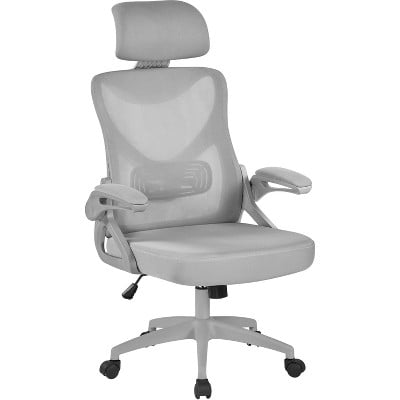
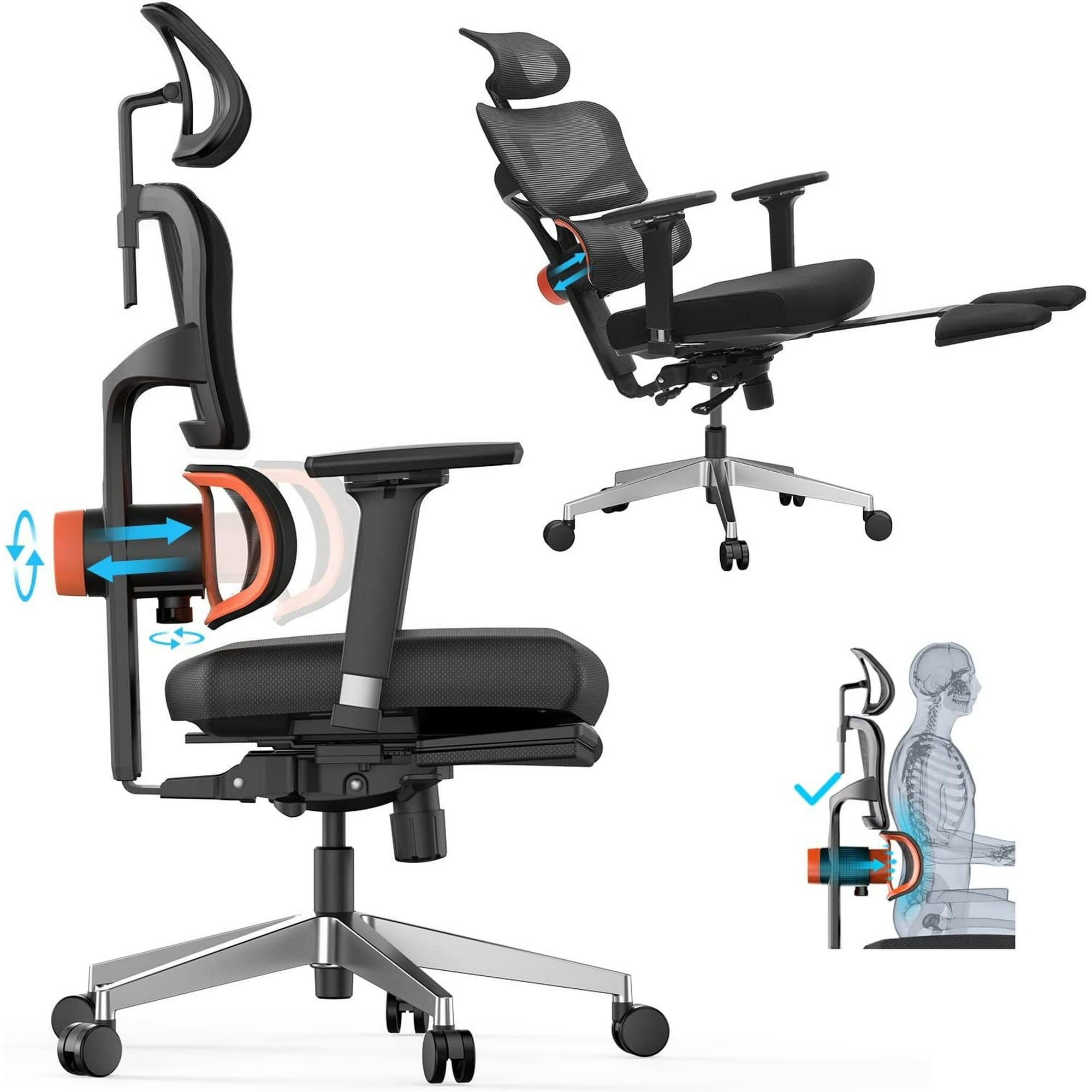
- 4D Armrests: The pinnacle of armrest technology, 4D armrests offer all of the above adjustments (height, width, depth, and pivot) in one sophisticated mechanism. They provide the ultimate level of customization and are found in high-end ergonomic chairs.
Why Armrest Adjustment Matters for Your Health
An office chair with armrest adjustment is not just a luxury; it's a health investment. Here’s why:
Reduces Shoulder & Neck Strain
When your armrests are too high or too low, your shoulders can slump or rise, causing tension in the neck and trapezius muscles. Proper adjustment keeps your shoulders relaxed.
Prevents Wrist & Forearm Fatigue
Adjustable armrests provide support for your forearms, reducing the load on your wrists and lowering the risk of carpal tunnel syndrome and other RSIs.
Promotes Better Posture
By supporting your arms correctly, you naturally sit up straighter. This aligns your spine, reduces back pain, and improves your overall posture throughout the day.
Enhances Productivity
Comfort is directly linked to focus. When you are not distracted by discomfort, you can concentrate better, type faster, and work more efficiently.
How to Choose the Right Armrest Adjustment for You
Selecting the perfect office chair with armrest adjustment depends on your personal needs. Here is a step-by-step guide to help you make the right choice:
Step 1: Assess Your Daily Activities
- Typing: If you type a lot, you need armrests that support your forearms at a 90-degree angle, ideally with depth adjustment to support your wrists.
- Mouse Work: For heavy mouse users, pivot adjustment can be beneficial to rotate the armrest inward and support the forearm during mousing.
- Reading/Reclining: If you often recline or read, look for armrests that can move outward or adjust in height to accommodate different positions.
Step 2: Consider Your Body Dimensions
- Shoulder Width: Wider individuals may need width adjustment to avoid inward pressure on the ribs.
- Arm Length: Depth adjustment is essential for those with longer or shorter arms to ensure proper support.
- Torso Height: This affects the ideal armrest height. Taller people often need higher armrests, while shorter people may need lower ones.
Step 3: Set Your Budget
Armrest adjustments are often tiered by price. Here's a general guide:
Entry-Level
Basic height adjustment only.
Mid-Range
Height and width adjustment (2D).
High-End
3D or 4D armrests with full range of motion.
Premium
Luxury chairs with advanced 4D mechanisms and premium materials.
Step 4: Test Before You Buy
Pro Tip: Whenever possible, test the chair in person. Sit in it for at least 15-20 minutes. Adjust the armrests to see if they can achieve the full range of motion you need. Simulate your typical work activities to ensure the armrests support you in those positions.
Types of Armrest Mechanisms Explained
Understanding the different mechanisms can help you identify the best office chair with armrest adjustment for your needs:
| Mechanism Type | Adjustments Offered | Best For | Typical Price Range |
|---|---|---|---|
| Standard Height Adjust | Up/Down only | Budget-conscious users with basic needs | $100 - $300 |
| 2D Armrests | Height & Width | Users who need to adjust for body width | $300 - $600 |
| 3D Armrests | Height, Width, Depth | Users who type extensively and need forearm support | $600 - $1,000 |
| 4D Armrests | Height, Width, Depth, Pivot | Professionals who demand the ultimate in ergonomic customization | $1,000 - $2,500+ |
Common Mistakes to Avoid with Armrest Adjustment
Even with the best office chair with armrest adjustment, common user errors can negate the benefits. Avoid these pitfalls:
- Setting Armrests Too High: This forces your shoulders up, causing neck and shoulder tension. Your elbows should be at a relaxed 90-degree angle.
- Setting Armrests Too Low: This encourages slouching and puts strain on your lower back. Your forearms should rest gently on the armrests without your shoulders dropping.
- Not Adjusting Width: If your armrests are too wide, you'll have to reach outward, straining your shoulders. If too narrow, you'll be forced inward, creating tension.
- Forgetting the Depth: If the armrests are too far forward or backward, your wrists may not be supported, leading to fatigue.
- Not Using the Adjustments: Many users buy a chair with advanced features but never adjust them. Take the time to set up your chair properly. Your body will thank you.
Maintaining Your Office Chair's Armrests
To ensure your armrest adjustments remain smooth and effective, regular maintenance is key. Here are some quick tips:
- Clean Regularly: Wipe down the armrests and adjustment mechanisms with a damp cloth to remove dust and dirt.
- Lubricate Moving Parts: If the adjustment mechanisms feel stiff, apply a small amount of silicone-based lubricant to the moving joints.
- Tighten Loose Screws: Periodically check and tighten any screws or bolts on the armrest assembly.
- Avoid Overloading: Do not lean heavily on the armrests or use them to support your full body weight, as this can damage the mechanisms.
Advanced Armrest Features: 4D and Beyond
For those seeking the absolute pinnacle of ergonomic support, 4D armrests are the gold standard. They offer unparalleled flexibility, allowing you to tweak every aspect of the armrest position. Some high-end chairs even offer:
- Angled Pivot: More than just rotation, allowing the armrest pad to angle to match the natural slope of your forearm.
- Lumbar Synchro: Some chairs have armrests that automatically adjust with the recline of the backrest, ensuring support in any position.
- Memory Foam Pads: Premium armrests often use memory foam that conforms to your elbows, distributing pressure evenly.
Investing in an office chair with advanced armrest adjustment is an investment in your health and productivity. Whether you are a CEO, a software developer, a writer, or a student, the right adjustments can make a world of difference in your daily comfort and long-term well-being.
Frequently Asked Questions About Office Chair Armrest Adjustment
Conclusion: Find Your Ideal Office Chair With Armrest Adjustment
Your Path to Ergonomic Excellence
An office chair with armrest adjustment is more than a piece of furniture; it is a tool for health and productivity. By understanding the different types of adjustments available—from simple height adjustments to full 4D armrests—you can choose a chair that perfectly fits your body and work habits. Remember, the key is to not only buy a chair with these features but to actively use the adjustments to create a comfortable, supportive seating position.
Investing in a quality chair with comprehensive armrest adjustment will pay dividends in reduced discomfort, improved posture, and increased focus. Whether you prioritize lumbar support, breathable materials, or a sleek design, make sure that armrest adjustment is at the top of your list. Take the time to test and adjust your chair, and you'll be on your way to a healthier, more productive work life.