
Why Choose a Heavy Duty Office Chair Without Arms?
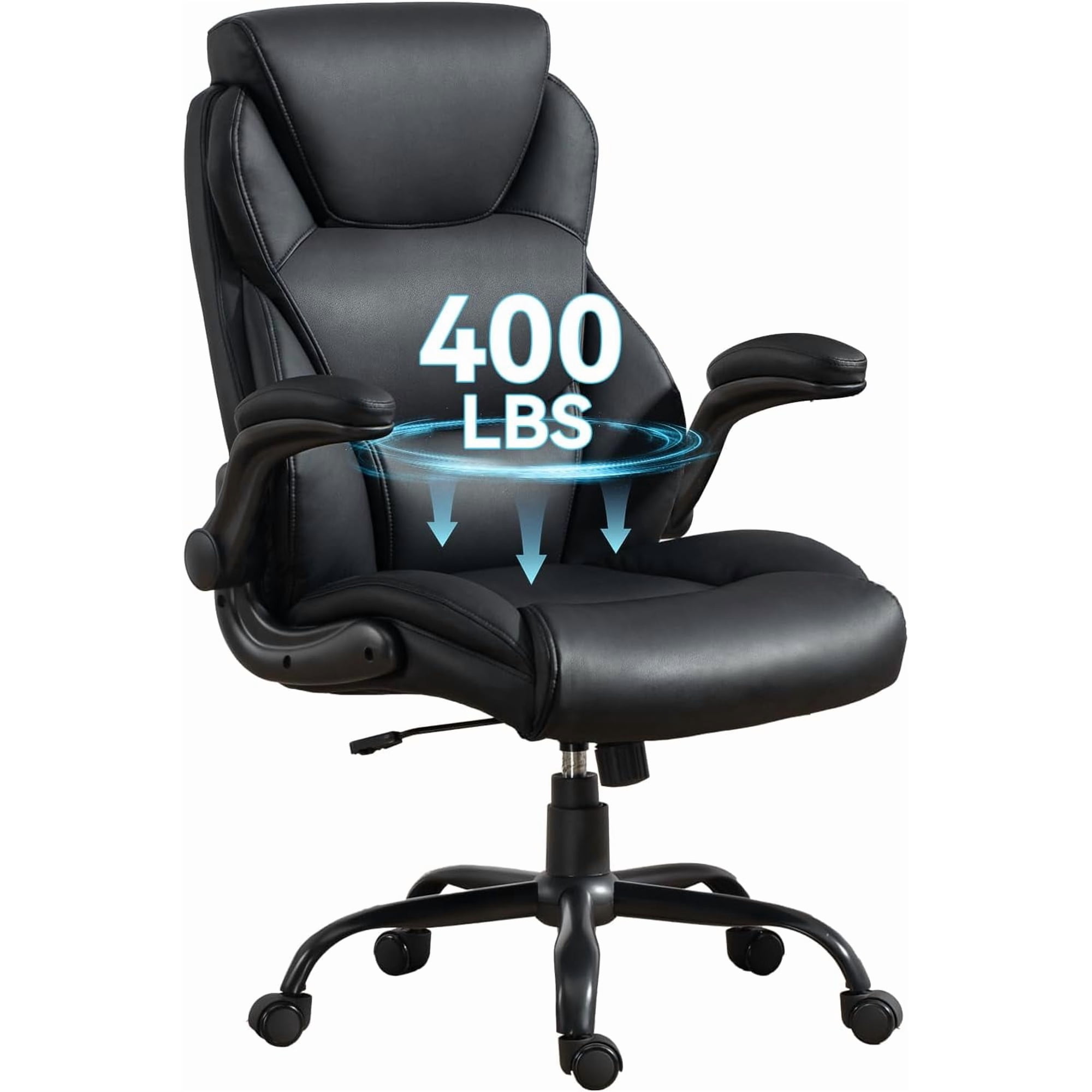
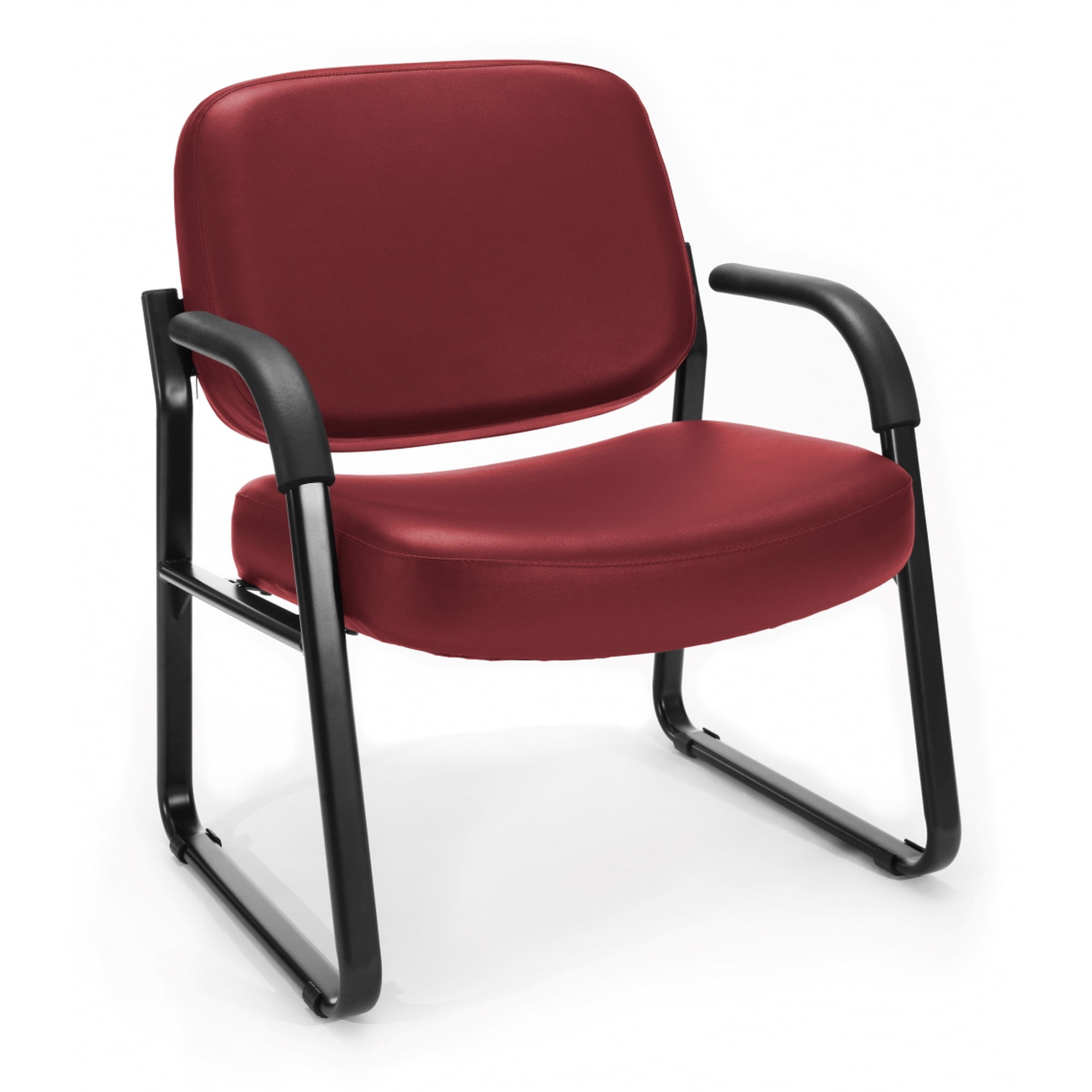
For individuals who require a chair that offers both superior strength and unrestricted mobility, a heavy duty office chair without arms is the ideal solution. These chairs are engineered with reinforced frames and high-grade components to support greater weight capacities while the armless design provides an open, adaptable seating experience.
Key Insight: Ergonomics isn't just about support; it's also about freedom. An armless heavy duty chair allows for a full range of motion, encouraging better posture and reducing the strain associated with confined seating positions. It's a perfect choice for those who value both durability and flexibility.
Core Features and Benefits
What makes a heavy duty armless chair stand out? Here are its fundamental features:
- Reinforced Steel Frame: Built to handle rigorous daily use without flexing or compromising stability.
- High-Capacity Gas Lift: Ensures smooth, reliable height adjustment for users of all sizes.
- Wide, Cushioned Seat: Provides ample room for comfort and support, often over 22 inches wide.
- Durable, Large-Sized Casters: Designed for smooth rolling on various floor types, including carpets.
- Armless Design: Offers greater freedom of movement and fits a wider range of body shapes and sizes.
Who Should Consider an Armless Heavy Duty Chair?
This type of chair is particularly beneficial for a specific group of users and environments. The table below highlights the ideal fit:
| User Profile | Why It Works | Key Benefit |
|---|---|---|
| Big & Tall Individuals | Offers a wider seat and higher weight capacity without the constraint of armrests. | Enhanced comfort and a proper fit. |
| Dynamic Sitters | Allows for frequent position changes, such as sitting cross-legged, without obstruction. | Improved circulation and reduced fatigue. |
| Small Office Spaces | The armless design makes it easier to slide the chair completely under the desk. | Maximizes floor space and creates a cleaner look. |
| Users with Shoulder Issues | Provides a full range of motion for the arms, preventing hunching or shoulder tension. | Reduces upper body strain and promotes a natural posture. |
| Multi-Purpose Workstations | Offers a versatile seating solution suitable for various tasks, from focused work to collaboration. | Increases overall workspace functionality. |
Ergonomic Benefits of Armless Seating
While armrests are a standard feature, a high-quality heavy duty office chair without arms can deliver significant ergonomic advantages, especially when paired with proper lumbar and seat support.
Unrestricted Shoulder Movement
Without armrests, your shoulders can relax naturally, reducing the risk of tension and neck pain.
Versatile Sitting Postures
You can easily adjust your sitting style—whether leaning forward, sitting back, or even sitting cross-legged.
Improved Desk Proximity
An armless chair allows you to sit closer to your desk, supporting better arm alignment for typing and writing.
Long-Term Durability
Removing the armrest mechanism eliminates a common point of failure, increasing the chair's overall lifespan.
Construction & Material: What Makes a Heavy Duty Chair 'Heavy Duty'?
Not all chairs labeled "heavy duty" are created equal. Understanding the materials and construction that define a truly robust heavy duty office chair without arms is key to making a wise investment.
Frame and Base
Foundation of Strength: Look for a chair with a steel or aluminum alloy frame. A five-star base made of the same material ensures stability and prevents tipping. The base should be at least 25 inches in diameter for superior support.
- Steel vs. Nylon Base: Steel bases are heavier and offer greater longevity, while high-quality nylon bases are also durable and often more cost-effective.
- Gas Cylinder Rating: The gas lift mechanism should be Class 4 or higher, which is standard for chairs supporting over 300 lbs. This ensures smooth, consistent height adjustment for years.
- Dual-Wheel Casters: For a heavy-duty chair, casters should be large (2.5 inches or more), made of durable polyurethane or nylon, and rated for the chair's weight capacity. This makes movement smooth and protects flooring.
Seat and Backrest
The comfort and longevity of a heavy-duty chair are heavily influenced by its cushioning and backrest design.
Key Considerations
- High-Density Foam: Resists compression over time, maintaining its shape and support.
- Seat Width & Depth: A wider seat (usually over 20 inches) and adjustable depth are crucial for comfort.
- Lumbar Support: Even without arms, excellent lumbar support is non-negotiable. Look for adjustable lumbar mechanisms.
- Upholstery: Choose between durable fabric, breathable mesh, or easy-to-clean leather/leather-like materials.
What to Avoid
- Low-Density Foam: This will flatten quickly and lose its supportive properties.
- Rigid Backrests: A backrest that doesn't move or conform can be uncomfortable during long sitting hours.
- Flimsy Fabric: Thin fabrics are more prone to tearing and wear.
- Unadjustable Features: A lack of adjustable lumbar or tilt mechanisms limits the chair's adaptability to your body.
Comparing Heavy Duty Armless Chairs
| Feature | Basic Heavy Duty | Premium Heavy Duty | What to Look For |
|---|---|---|---|
| Weight Capacity | 300 lbs | 400-500 lbs | Minimum 350 lbs for most users |
| Frame Material | Reinforced Nylon | Alloy Steel | Steel for maximum durability |
| Seat Width | 20-21 inches | 22-24 inches | 22 inches+ for a spacious feel |
| Lumbar Support | Fixed | Adjustable Height & Depth | Adjustable for personalized support |
| Upholstery | Standard Fabric | Premium Mesh or Bonded Leather | Breathable mesh or durable leather |
| Warranty | 1-3 Years | 5-10 Years | At least 5 years on frame |
Your Ultimate Guide to Choosing the Right Chair
Selecting a heavy duty office chair without arms involves more than just picking the first result. Use this step-by-step guide to make a confident and informed decision.
Step 1: Define Your Needs and Workspace
- Measure Your Space: Note the desk height and clearance underneath to ensure the chair can be fully tucked in.
- Assess Your Posture: Do you sit cross-legged? Do you move around a lot? Your habits will guide the ideal seat shape and width.
- Determine Usage: Are you in the chair for 2 hours or 8+ hours a day? Longer hours demand more advanced ergonomic features.
Step 2: Prioritize Ergonomics and Comfort
Ergonomic Feature Checklist
Essential for lower back health. Look for both height and depth adjustment.
Ensures your thighs are fully supported without pressure on the back of the knees.
Allows you to lock the backrest in multiple positions, crucial for varying activities.
This knob adjusts the resistance of the recline, accommodating different weights and preferences.
Helps reduce pressure on the back of the thighs, promoting better blood circulation.
Step 3: Evaluate Build Quality and Warranty
Your chair is an investment. Ensure it's built to last.
Core Build Elements
Steel is stronger but heavier. High-grade nylon is a good, lighter alternative.
Warranty Matters
A longer warranty is a sign of the manufacturer's confidence in the product's durability.
Certifications
BIFMA (Business and Institutional Furniture Manufacturers Association) certification ensures the chair meets rigorous safety and durability standards.
Step 4: Read Reviews and Test
Pro Tip: Reading reviews from other users who are your size is invaluable. They will often mention if the chair is truly comfortable for extended periods and if the weight capacity is accurate. If possible, try a similar model in a showroom.
Frequently Asked Questions About Heavy Duty Armless Chairs
Conclusion & Final Recommendations
Choosing a heavy duty office chair without arms is a strategic decision for those who need both strength and freedom. It's an investment in a productive, comfortable, and healthy workspace. Here are our final recommendations based on common user profiles:
Choosing Your Perfect Match
Prioritize a chair with a steel frame, a 400+ lb weight capacity, and a seat width of at least 22 inches. Ensure the lumbar support is both adjustable in height and depth for optimal back support.
Look for a chair with excellent tilt and recline functionality, allowing you to move and change postures freely. High-density foam and a waterfall edge on the seat will keep you comfortable all day.
Focus on the armless design's ability to slide fully under the desk. A chair with a slightly smaller footprint and smooth-rolling casters will be a perfect fit for a compact office.
Top Picks by Priority
| User Priority | Recommended Chair Type | Key Features to Prioritize | Budget Range |
|---|---|---|---|
| Maximum Durability | All-Steel Armless Chair | Steel frame, gas cylinder, extra-large base, 500 lb capacity | $350-$600 |
| All-Day Comfort | Premium Mesh Armless Chair | Adjustable lumbar, seat depth, breathable mesh back, tilt lock | $250-$450 |
| Best Value | Durable Fabric Armless Chair | Reinforced frame, high-density foam, 350 lb capacity, simple adjustments | $150-$300 |
| Small Space Solution | Compact Armless Task Chair | Slim profile, high weight capacity, smooth-rolling casters, under-desk fit | $200-$350 |