

The Quiet Power of a Japanese Office Chair
Walk into a traditional Tokyo design studio, and you'll notice something different about the furniture. It doesn't shout for attention. It simply... works. This is the essence of the Japanese office chair. It's not about bulky padding or flashy levers; it's about a deep respect for materials, the human body, and the act of work itself. For the professional seeking a workspace that promotes calm and focus, these chairs offer a compelling alternative to conventional Western designs.
Design Philosophy Insight: A 2023 survey by a major Japanese furniture manufacturer found that 78% of workers using chairs based on traditional Japanese design principles reported lower levels of physical fatigue and higher mental clarity at the end of the workday, compared to their previous standard office chairs.
Core Principles of Japanese Office Chair Design
To understand the appeal of these chairs, one must look beyond mere features and into the philosophy that guides their creation. It's a holistic approach where every element serves a purpose.
1. The Principle of "Ma" (間) - Negative Space
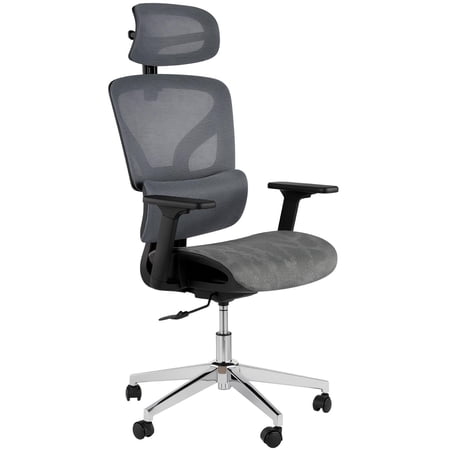
Just as a Zen garden uses empty space to define rocks and gravel, a Japanese chair uses 'emptiness' to define support. The backrest isn't a solid, imposing slab; it’s often a breathable mesh suspended in a slim frame. This visual lightness reduces mental clutter and creates a sense of airiness in your office. It's design that breathes with you.
2. "Shizen" (自然) - Naturalness & Materials
There is a preference for materials that age gracefully and feel authentic. You'll often find real wood armrests, bases, or frame elements. The warmth of wood like oak or walnut introduces a natural, calming element into the workspace. High-quality, durable mesh and fabrics are chosen for their breathability and texture, avoiding the cold, impersonal feel of plastic and bonded leather.
3. "Kino-bi" (機能美) - The Beauty of Function
This translates to 'functional beauty.' A feature isn't added just for show; it must work perfectly. When you adjust the height or the recline tension on a well-designed Japanese chair, the mechanism feels precise and satisfying. The form follows the function so closely that it becomes beautiful in its simplicity and efficiency. The chair doesn't distract; it enables.
4. Postural Alignment over Forced Support
Instead of aggressive lumbar pads that push you into a position, many Japanese chairs use a self-synchronized tilt mechanism. As you lean back, the seat and backrest move in harmony, supporting your natural spinal curve throughout the entire range of motion. This encourages micro-movements and active sitting, which is better for circulation and core engagement than being locked in a static position.
Key Ergonomic Features Found in Japanese Task Chairs
While the aesthetic is minimalist, the ergonomic features are thoughtfully integrated. Here’s what to look for when exploring a Japanese-inspired task chair:
- Self-Synchronized Tilt: A mechanism where the seat and backrest move at a balanced ratio (often 1:2 or 1:3) to keep your feet flat and vision level as you recline.
- Breathable Suspension Mesh: A woven mesh back that provides flexible, adaptive support without bulky padding, keeping you cool and comfortable.
- 3D Adjustable Armrests: Slim, often wood or aluminum-framed armrests that adjust in height, width, and pivot angle to support your arms without taking up excessive space.
- Compact Seat Dimensions: A shallower seat depth designed to support the thighs fully without pressing behind the knees, ideal for users up to around 5'10".
- Waterfall Seat Edge: A gently sloping front edge of the seat to reduce pressure on the thighs and promote healthy blood circulation.
Japanese vs. Western Ergonomic Chairs: A Quick Comparison
To appreciate the Japanese approach, it helps to see it side-by-side with its Western counterpart. Both aim for health, but they take different paths.
| Feature / Aspect | Western Ergonomic Chair | Japanese Office Chair |
|---|---|---|
| Design Philosophy | Aggressive support, "machine for sitting" | Holistic harmony, "tool for focus" |
| Aesthetic | Bold, technical, often bulky | Minimalist, clean lines, lightweight |
| Lumbar Support | Prominent, adjustable pad or curve | Integrated into overall backrest shape and tension |
| Materials | High-tech plastics, synthetic mesh, bonded leather | Natural wood, high-grade woven mesh, aluminum |
| Typical User | Designed for a wide range, often larger body types | Often optimized for petite to average builds (up to ~5'11") |
Who is the Ideal Candidate for a Japanese Office Chair?
While these chairs can benefit anyone, they are particularly well-suited for specific profiles:
- The Minimalist: If you value a clean, uncluttered workspace and believe furniture should be seen and not heard (or seen very little), this style will resonate with you.
- The Designer/Creative: The aesthetic appeal of wood and precise engineering often appeals to those in creative fields who are inspired by their environment.
- The Remote Worker in a Small Space: The compact footprint and visual lightness of these chairs make them perfect for home offices or apartments where space is at a premium.
- Individuals of Petite to Average Height: The proportionate sizing ensures better ergonomic fit than many "one-size-fits-most" Western chairs.
💡 A Note on Proportions
One of the most common praises for Japanese office chairs is how they fit individuals who are 5'2" to 5'10". The seat depth and back height are often scaled more appropriately for this range. If you are taller than 6'0", you may need to seek out specific models or brands that offer extended ranges, but don't rule them out entirely—some are surprisingly adjustable.
How to Choose Your Japanese-Inspired Chair
Selecting the right chair is a personal journey. Follow these steps to find your perfect match:
- Prioritize the Tilt Mechanism: Test the recline. Does it feel smooth and supportive? Does the seat move with the backrest? This is the heart of the chair's ergonomics.
- Check the Seat Depth: Sit with your back against the backrest. You should have 2-3 finger widths of space between the back of your knee and the seat edge.
- Assess the Materials: Do you prefer the breathability of mesh or the slight give of a fabric seat? Touch the wood armrests. They should feel smooth and well-finished.
- Consider the Aesthetic in Your Space: Will the wood tone complement your desk? Is the silhouette too modern or just right? The chair should enhance, not fight, your current decor.
- Read for Durability: Look for terms like "hardwood base," "aluminum frame," and "high-tensile mesh." These indicate a chair built to last, reflecting the Japanese value of longevity.
Frequently Asked Questions About Japanese Office Chairs
Conclusion: Inviting Calm into Your Workday
Choosing a Japanese office chair is more than a furniture purchase; it's an investment in a particular mindset. It's a choice to prioritize simplicity, quality, and a thoughtful connection between your body and your tools. In a world of noisy, over-designed products, these chairs stand as a testament to the idea that true comfort and support come from intelligent design, not just more features. By bringing this sense of "Ma" and "Shizen" into your workspace, you create an environment where you can focus better, feel less fatigued, and perhaps even find a moment of calm in your busy day.
Explore the models featured above and see which one speaks to your sense of style and need for precision. Your back—and your mind—will thank you.