
The Quest for the Perfect "Nice" Office Chair
Think about the last time you walked into someone's home office or a trendy co-working space. What caught your eye? Often, it’s the chair. A nice office chair acts as the centerpiece of a workspace, silently communicating taste and a commitment to comfort. But finding one that truly delivers on both aesthetics and ergonomics can feel like searching for a needle in a haystack. This guide is designed to change that.
We spend thousands of hours sitting. For remote workers, entrepreneurs, and creatives, the office chair is not just furniture; it's a tool for well-being and productivity. A “nice” chair transcends basic function. It’s the chair you gravitate towards with your morning coffee, the one that doesn’t clash with your carefully curated decor, and the one that supports you through a long afternoon of deep focus. In this comprehensive guide, we’ll break down everything you need to know to find a chair that is both a visual delight and a sanctuary of support.
1. The Anatomy of a "Nice" Office Chair: Beyond the Surface
What separates a merely functional chair from a truly “nice” one? It’s a thoughtful combination of design philosophy, material quality, and ergonomic intelligence.
Design Language: From Minimalist to Executive
- Scandinavian Simplicity: Characterized by clean lines, light wood accents, and neutral fabrics. These chairs prioritize lightness and blend seamlessly into modern, airy spaces. They often feature breathable mesh or wool blends.
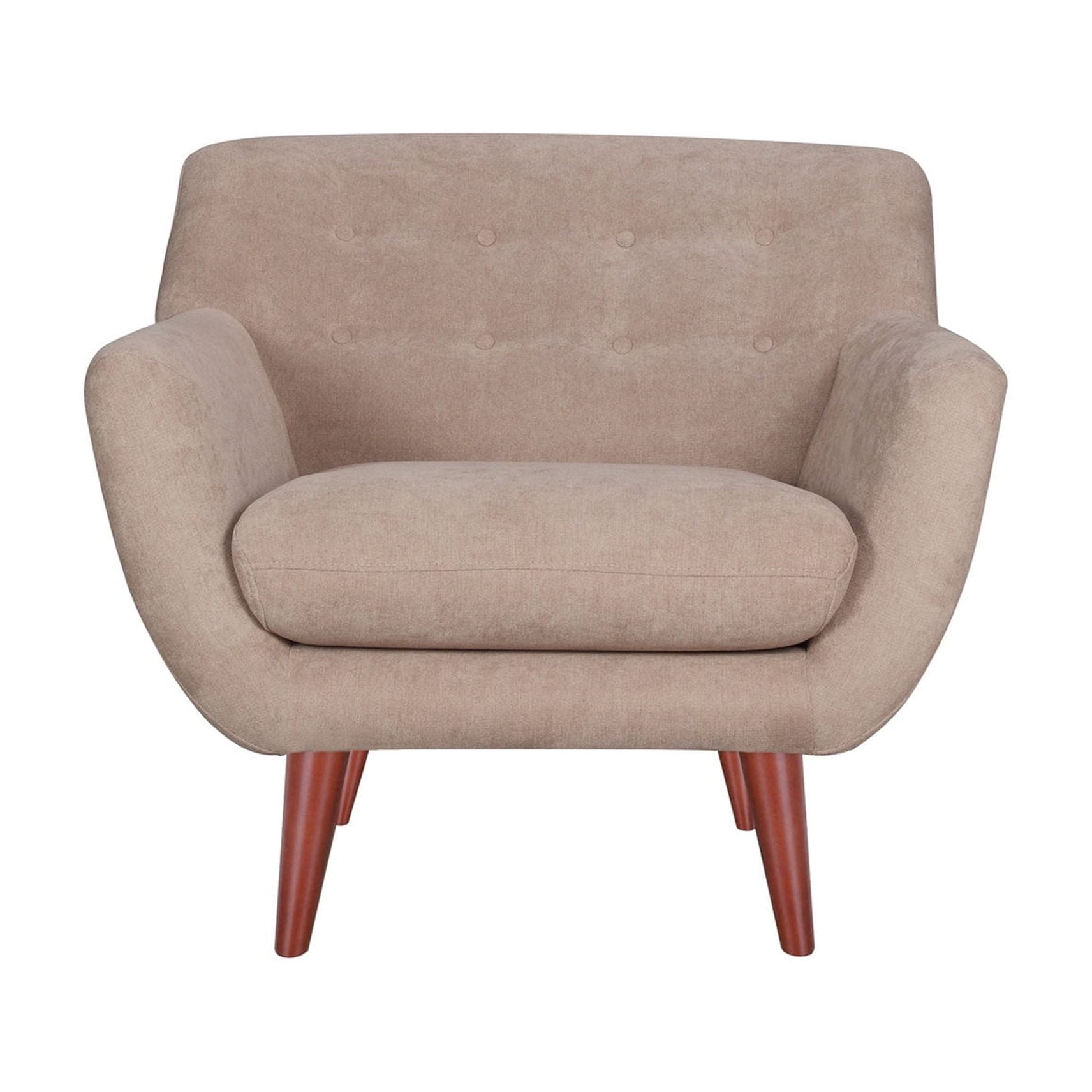
- Mid-Century Modern Revival: Think winged backs, walnut shells, and tapered wooden legs. These chairs add a touch of retro sophistication. Upholstery often includes velvet or button-tufted leather for a classic, 'nice' vibe.
- Contemporary Task-Oriented: Sleek, technical, and highly adjustable. These chairs look 'nice' in a futuristic way, with sculpted mesh backs, polished aluminum frames, and syncron tilt mechanisms. They scream innovation.
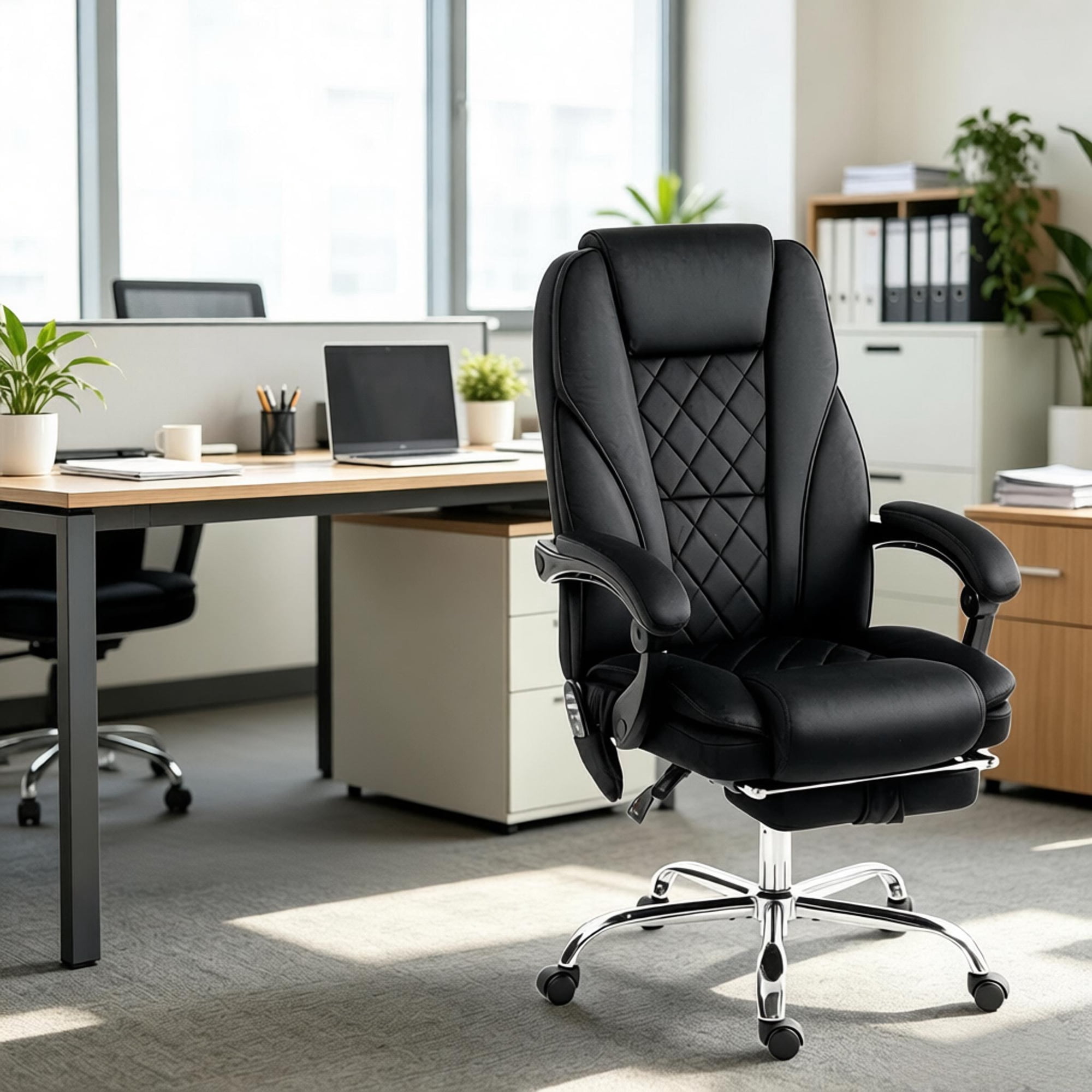
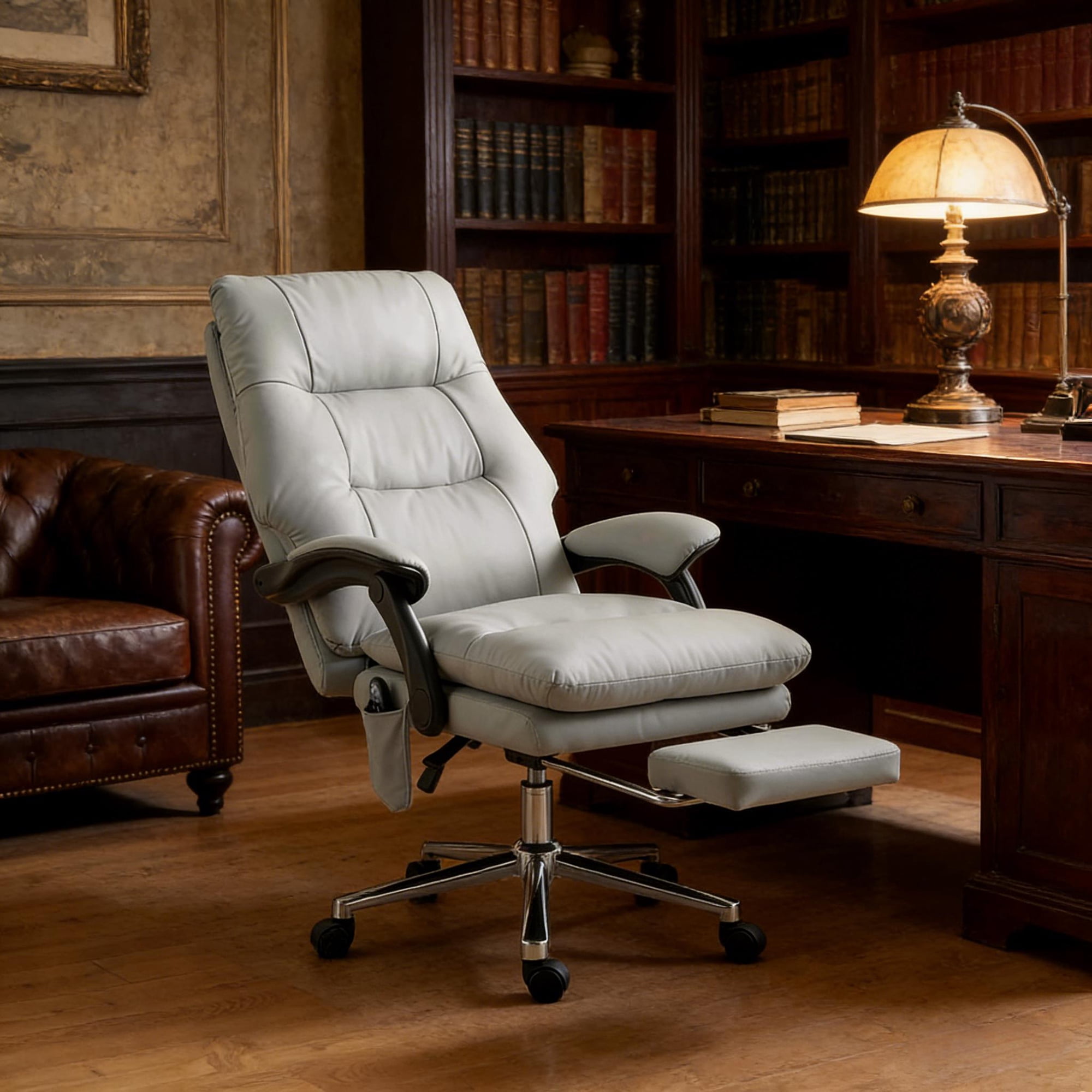
- Luxury Executive: High-back designs, plush cushioning, and premium leather. These chairs project authority and comfort, often becoming a statement piece in a corner office or a home library.
Material Palette: The Feel-Good Factor
The materials dictate not only the look but the tactile experience. A 'nice' chair invites touch.
- Breathable Mesh: Ideal for long hours and warmer climates. High-quality mesh (like 3D knitted material) conforms to your back and looks modern. It’s the secret to a 'cool' and comfortable seat.
- Luxurious Fabric: From durable wool blends to soft bouclé, fabric chairs add warmth and texture. They are available in a vast spectrum of colors, allowing you to perfectly match your office palette. Look for high-density foam cushioning wrapped in fabric for a 'nice' sink-in feel without sagging.
- Timeless Leather: Full-grain or top-grain leather develops a beautiful patina over time. It signals quality and is surprisingly easy to clean. A well-crafted leather chair is the epitome of a 'nice' investment piece.
- Eco-Friendly Options: Many modern 'nice' chairs use recycled materials or sustainably sourced wood, appealing to the environmentally conscious professional.
2. The Ergonomic Checklist: Comfort You Can Feel
A chair can't truly be 'nice' if it causes back pain by 3 PM. True beauty includes function. Here are the non-negotiable ergonomic features to look for:
- Adjustable Lumbar Support: Your lower back has a natural inward curve. A 'nice' chair will have a mechanism (either a lever or a dynamic mesh curve) to support that specific area. Without it, you'll be slouching within an hour.
- Seat Depth Adjustment: This feature allows the seat pan to slide forward or backward. It ensures that tall people get adequate thigh support, and shorter people aren’t pressured behind the knees. It’s a hallmark of a thoughtfully designed chair.
- 4D Armrests: The most adjustable armrests move up/down, forward/back, left/right, and can even pivot. This allows you to keep your elbows at a 90-degree angle and your shoulders relaxed, preventing neck and shoulder tension.
- Synchronized Tilt Mechanism: This advanced feature allows the seat and backrest to move in a natural ratio (often 2:1 or 3:1) as you recline. It keeps you supported and your feet on the floor, promoting dynamic sitting.
- Waterfall Seat Edge: A slight downward curve at the front of the seat relieves pressure on the thighs and improves blood circulation to your legs. It's a small detail that makes a huge difference in all-day comfort.
Analogies for Comfort: Think of adjustable lumbar support as the perfect pair of glasses for your back—it brings everything into focus and relieves strain. Seat depth adjustment is like getting a tailor-made suit; it ensures every part of the chair fits you perfectly, not just “one size fits all.”
3. Style Guide: Matching Your Chair to Your Space
A 'nice office chair' must harmonize with its environment. Here’s how to choose based on your existing decor:
- For the Minimalist Workspace (white desk, clean lines): Opt for a chair with a white or light grey mesh back, a polished chrome base, and subtle curves. Avoid heavy padding or dark colors that will dominate the space.
- For the Bohemian/Homey Office (plants, warm wood, textures): A fabric chair in a warm tone like terracotta, mustard, or sage green works wonders. Look for wooden armrests or a wooden base to tie in with your furniture.
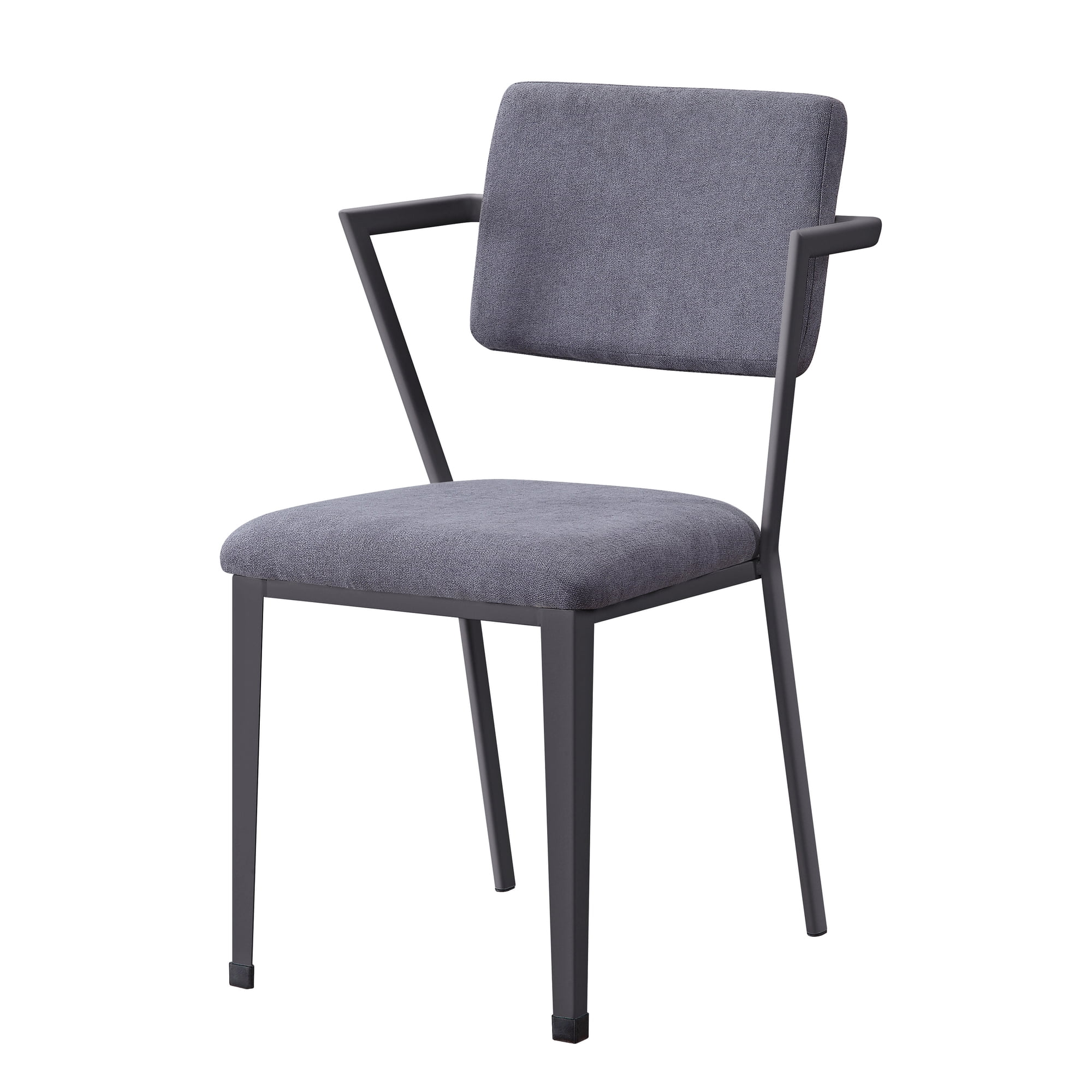
- For the Industrial Loft (metal, concrete, exposed brick): A black leather and chrome chair, or a dark mesh task chair with a sturdy frame, complements the raw, edgy aesthetic. Think functional and bold.
- For the Executive Library (dark wood, books, classic style): A high-back leather chair in burgundy, dark brown, or black with classic tufting is the ultimate 'nice' choice. It adds gravitas and a sense of tradition.
4. The "Nice" Factor: Unexpected Details That Delight
Beyond the core features, some chairs include small touches that elevate the user experience from good to genuinely 'nice'.
- Quiet Roll Casters: High-quality dual-wheel casters designed for hardwood floors or carpets that glide silently. The absence of squeaky, scratchy wheels is a subtle luxury.
- Integrated Headrest: Not just for gaming chairs anymore. A well-designed, adjustable headrest on an office chair provides crucial support for your neck during moments of thought or when watching training videos.
- Weight-Activated Mechanism: Some premium chairs automatically adjust the recline tension based on your body weight. It’s a set-it-and-forget-it convenience that feels incredibly intuitive.
- Magnetic Cushion Covers: For easy cleaning, some fabric chairs offer removable, magnetic cushion covers. It’s a practical detail that shows the manufacturer thought about real-world use.
Frequently Asked Questions About Nice Office Chairs
Conclusion: Invest in the Chair You Deserve
Finding a nice office chair is a journey of balancing personal taste with physical need. It’s about recognizing that your workspace should be a place you enjoy being—a reflection of your personality and a support system for your ambitions. Don’t settle for a chair that is merely adequate. Explore the options, pay attention to the details we've discussed, and choose a seat that makes you feel productive, comfortable, and proud every time you sit down. After all, a great day's work often starts with a great place to sit.