
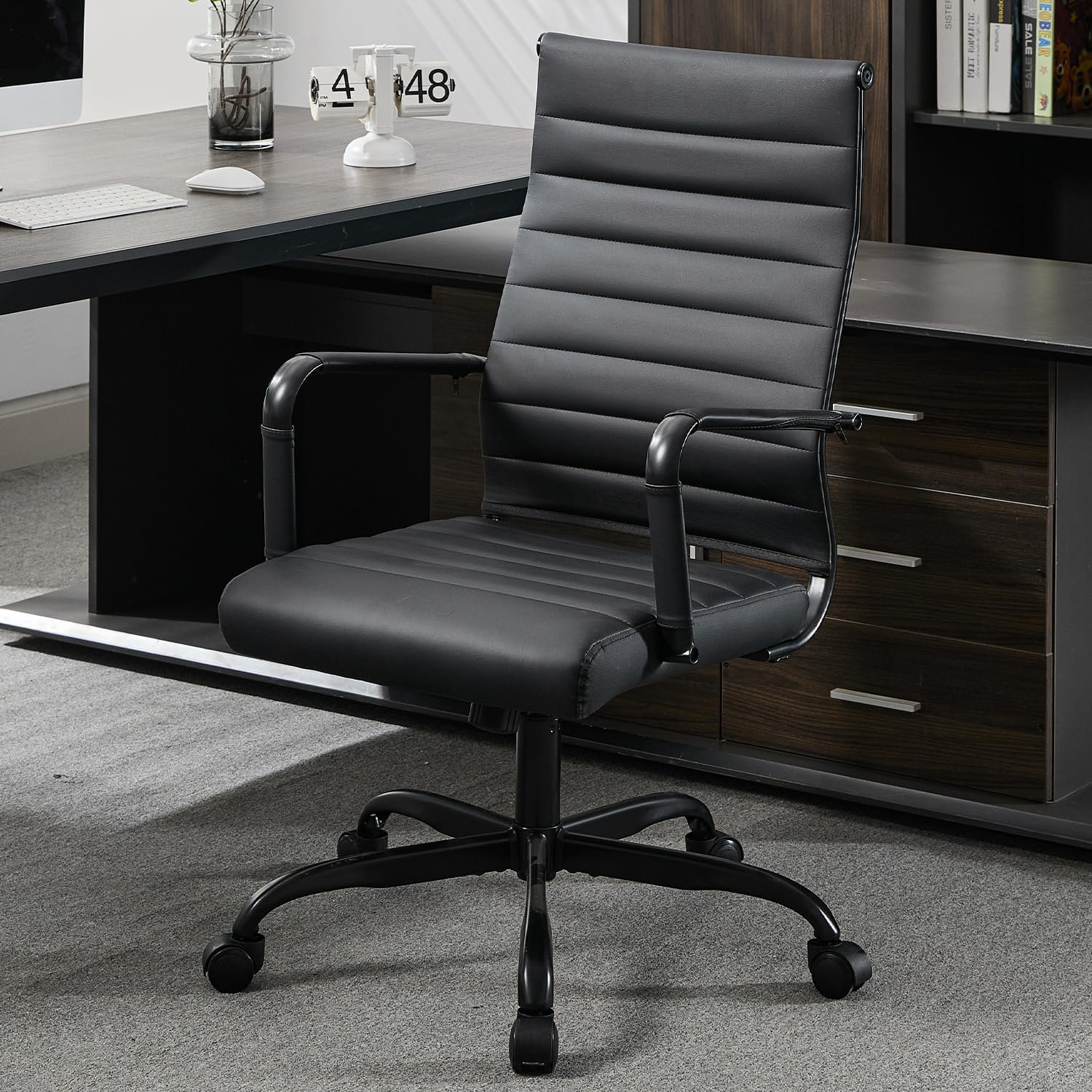
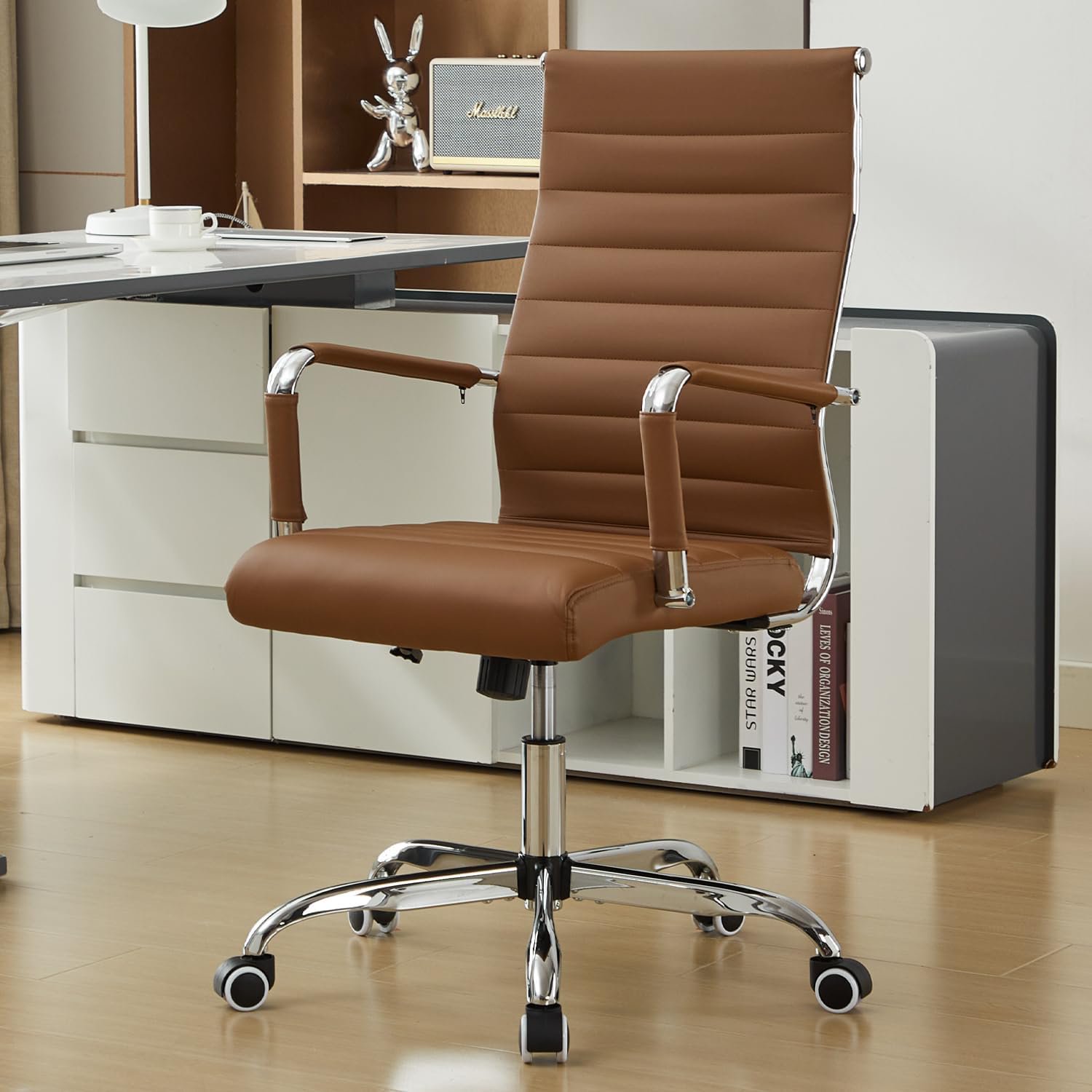
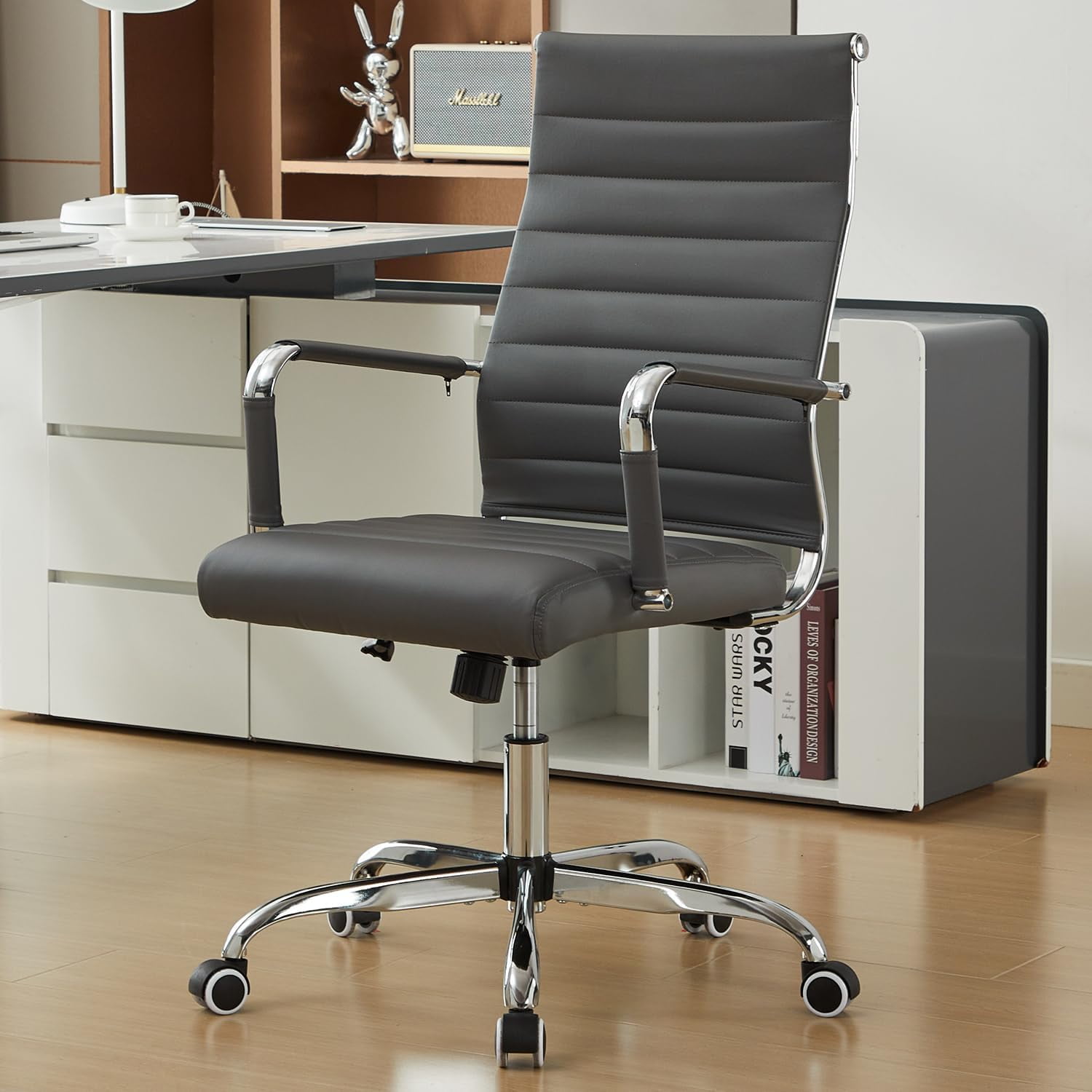
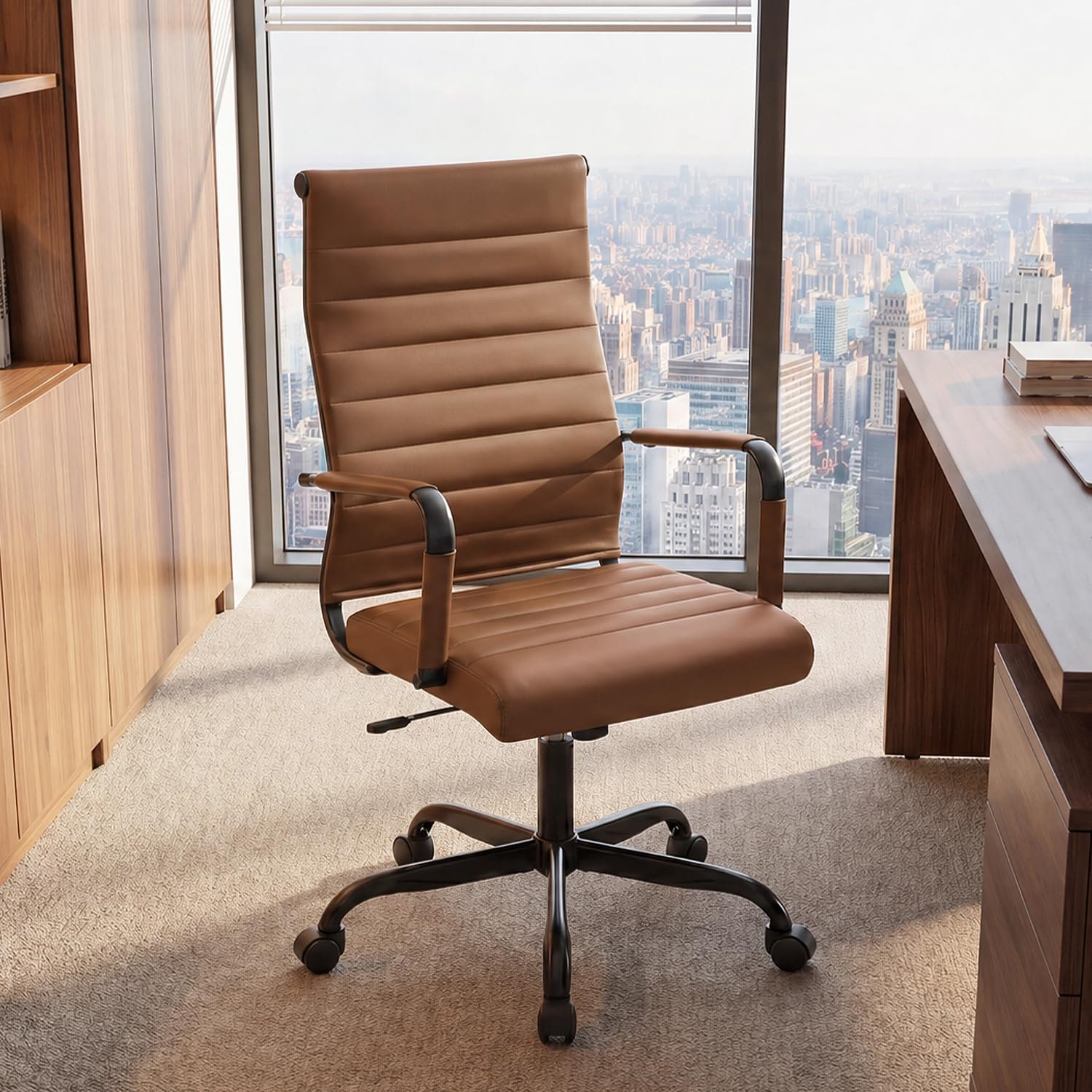
The Evolution of the Wheel: Why Modern Mobility Matters
Imagine your office chair not as a stationary throne, but as a partner in your workflow. That is the promise of a modern office chair with wheels. Gone are the days of clunky, plastic casters that screech across the floor. Today's wheels are precision instruments—smooth, silent, and adaptable—designed to make your workspace as fluid as your ideas. Whether you're pivoting to a whiteboard, gliding to a nearby filing cabinet, or simply shifting positions to stay comfortable, the right set of wheels transforms your chair from a static object into a dynamic tool for productivity.
Did You Know? A study by the Mayo Clinic found that increasing movement throughout the workday, even small shifts like rolling to reach a file, can significantly reduce fatigue and improve focus. A chair that moves effortlessly encourages this micro-movement, keeping your body engaged and your mind sharp.
Beyond the Roll: Anatomy of a Modern Chair on Casters
Choosing a modern rolling chair is about more than just picking a color. It's about understanding how each component—especially the wheels—works in harmony with your body and your environment. Let's explore the key elements that define a truly exceptional modern chair.
1. The Heart of Mobility: Understanding Wheel Types
The wheels, or casters, are the unsung heroes of your chair. Selecting the right type is crucial for both performance and floor protection. Think of them as the tires on a car; you wouldn't use racing slicks on a snowy road.
- Hard Floor Casters (Soft Wheels): Made of soft polyurethane or rubber, these are designed for hardwood, tile, laminate, and stone. They provide grip, roll silently, and, most importantly, will not leave scuff marks or scratches.
- Carpet Casters (Hard Wheels): Typically made of hard nylon or plastic, these wheels have a wider tread to roll smoothly over carpet fibers without sinking in. They offer less resistance on thick pile carpets.
- Universal Casters: A middle-ground option that performs adequately on both surfaces. They are a convenient choice for mixed-floor home offices.
- Rollerblade-Style Wheels: A popular modern upgrade. These feature a soft polyurethane tread over a precision bearing, offering an ultra-smooth, gliding experience on any hard surface. They are often quieter and more durable than standard casters.
2. The Foundation: Base Materials and Stability
A chair's base must be robust to support both you and the dynamic forces of rolling and swiveling. Modern designs use a variety of materials, each with its own benefits:
Nylon/Plastic Bases
Lightweight and cost-effective. High-quality reinforced nylon is incredibly strong and won't corrode. It's a practical choice for most home offices.
Aluminum Bases
The hallmark of premium modern chairs. Aluminum is lightweight, exceptionally strong, and resistant to rust. It often features a polished or brushed finish that adds a sophisticated, industrial touch.
Chrome-Plated Steel
Offers a classic, shiny look and exceptional durability. It's heavier than aluminum but provides a solid, grounded feel. Great for traditional or glam-inspired modern offices.
All quality modern chairs adhere to the five-point base standard, ensuring a wide footprint for tip-resistant stability, a safety feature developed over decades of ergonomic research.
3. The Connection: How the Chair Meets the Wheels
The caster housing (the part that holds the wheel and attaches to the chair) matters too.
- Standard Grip-Ring Stem: The most common type. It's a simple stem that pushes into the chair leg. It's easy to replace if you want to upgrade your wheels.
- Locking Casters: Some modern task chairs offer casters that can be locked to prevent rolling when you need absolute stability, such as when doing detailed drawing or work that requires a fixed position.
- Braked Casters: These automatically lock when weight is lifted off the chair, making it easier to sit down without the chair rolling away. They unlock when you sit.
4. Ergonomics in Motion: The Seating Experience
A chair that rolls well must also support you well. Modern designs integrate mobility with ergonomic features seamlessly:
Synchro-Tilt Mechanism
This feature allows the seat and backrest to move in a synchronized, natural ratio (usually 2:1 or 3:1) as you recline. It keeps you supported while maintaining your sightline to the monitor, even as the chair rolls back slightly.
Waterfall Seat Edge
A gently sloping front edge of the seat reduces pressure on the back of your thighs. This promotes better circulation, which is especially important when you're rolling and shifting your legs frequently.
Multi-Dimensional Armrests
Armrests that adjust in height, width, depth, and pivot angle are essential. They allow you to find a comfortable position for your arms and shoulders, whether you're typing, thinking, or rolling over to a colleague's desk for a quick chat.
5. Aesthetics: Form Follows Function (and Style)
The "modern" in "modern office chairs with wheels" isn't just about newness; it's a design philosophy. Key visual elements include:
- Clean Lines: Minimalist silhouettes with no unnecessary ornamentation.
- Mixed Materials: Combining elements like a polished aluminum base with a breathable mesh back or a luxurious velvet seat.
- Color Palette: Moving beyond basic black and gray to include jewel tones (emerald, sapphire), pastels (blush, mint), and neutrals (warm beige, cool charcoal).
- Visible Mechanics: Exposed mechanisms and hardware, often in chrome or matte black, are celebrated as part of the design rather than hidden away.
6. Real-World Performance: The Rolling Experience
How does it feel to use a high-quality modern rolling chair? Here's a step-by-step look at the experience:
- The Sit: As you lower yourself, the chair remains stable. Braked casters (if equipped) ensure it doesn't slide away.
- The First Roll: A gentle push sends you gliding silently across the floor. There's no jerky start or scraping sound—just a smooth, fluid motion.
- The Pivot: You rotate to reach a document on your left. The swivel mechanism is silent and precise, and the wheels follow your lead without resistance.
- The Recline: You lean back to think. The synchro-tilt mechanism engages, the chair's base stays firmly planted, and the wheels hold their position, providing a stable platform for thought.
This seamless integration of movement and stability is the hallmark of a well-engineered modern chair. It's not just furniture; it's an extension of your workflow.
Conclusion: Choose Your Perfect Rolling Partner
Selecting a modern office chair with wheels is an investment in your daily comfort, your health, and the aesthetic of your workspace. It's about finding a chair whose wheels match your floor, whose ergonomics match your body, and whose design matches your style. By considering the wheel type, base material, ergonomic features, and overall aesthetic, you can move beyond a simple seat and find a dynamic partner that glides with you through your workday. Prioritize a chair that invites movement, supports your posture, and makes your workspace a place you enjoy being. After all, a great chair doesn't just hold you up; it helps you move forward.