
Why Your Office Chair Sinks and How to Diagnose the Problem
If you've ever experienced the frustrating "sinking chair syndrome," you know how it feels to constantly readjust your height while working. The core of the issue almost always lies within the chair's pneumatic gas lift cylinder. This component is the heart of your chair's height adjustment, using compressed gas to hold the seat at your desired level. Over time, the seals inside can wear out, allowing gas to escape and the chair to slowly or quickly descend.
Insight: Before you start any repair, confirm the issue. Sit on the chair and raise it to its full height. If it immediately or gradually drops under your weight, the gas lift is the culprit. Listen for a hissing sound, which is a clear sign of gas leakage.
Common Causes of a Failing Gas Lift
- Worn-out internal seals: The most frequent cause, leading to slow gas leakage.
- Manufacturing defect: A rare but possible issue from the factory.
- Age and heavy use: Standard cylinders have a limited lifespan (typically 3-5 years).
- Debris or dirt: Particles can get lodged in the mechanism, preventing a proper seal.
- Loose set screw: On some chairs, a small screw holds the cylinder in place; if it's loose, it can cause slipping.
Tools and Materials You Might Need
Before you start, gather these common household items. Having everything ready will make the process smoother.
- Rubber mallet or hammer (a regular hammer with a block of wood works too)
- Pipe wrench or large adjustable wrench
- Flathead screwdriver
- Penetrating lubricant (like WD-40)
- Replacement gas lift cylinder (if needed)
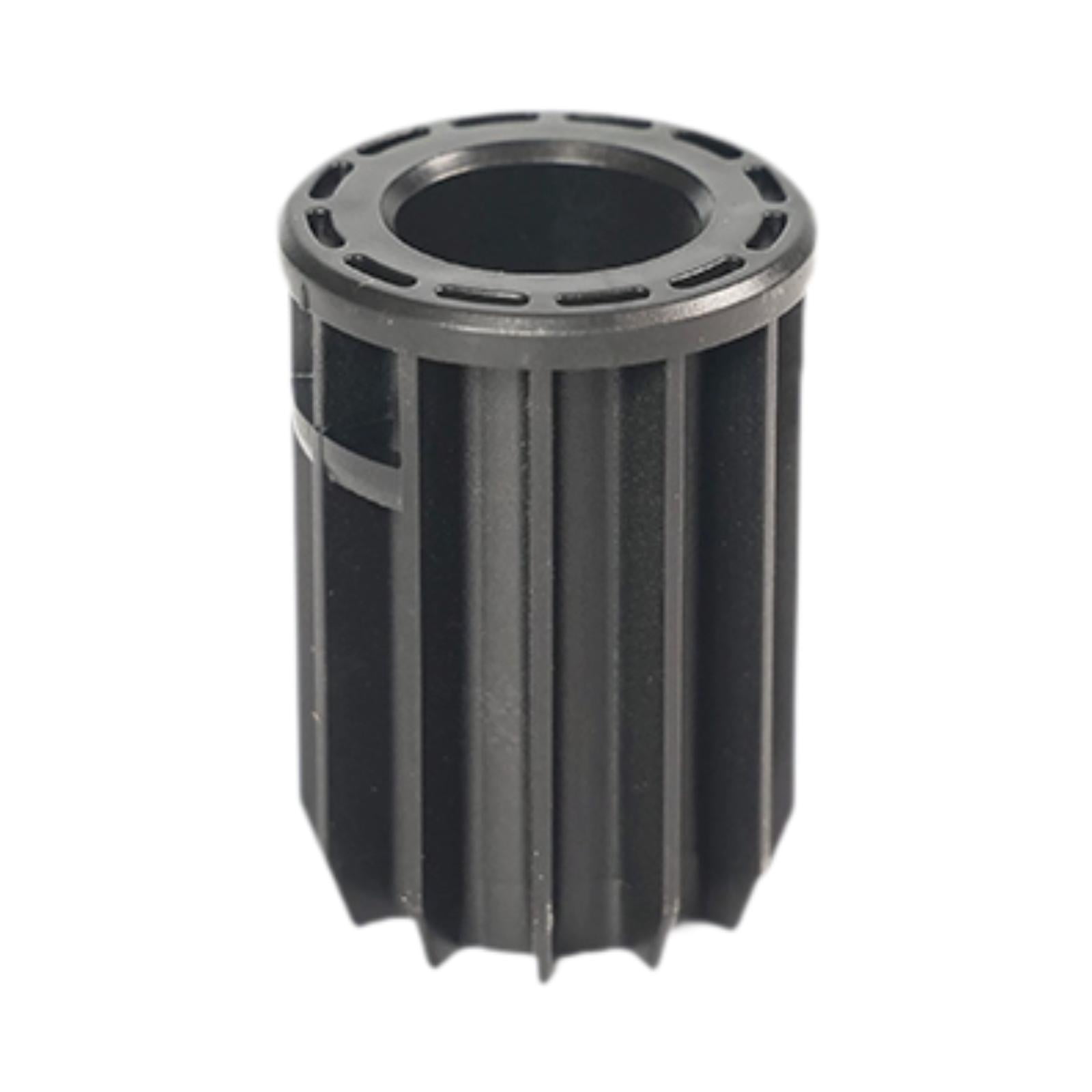
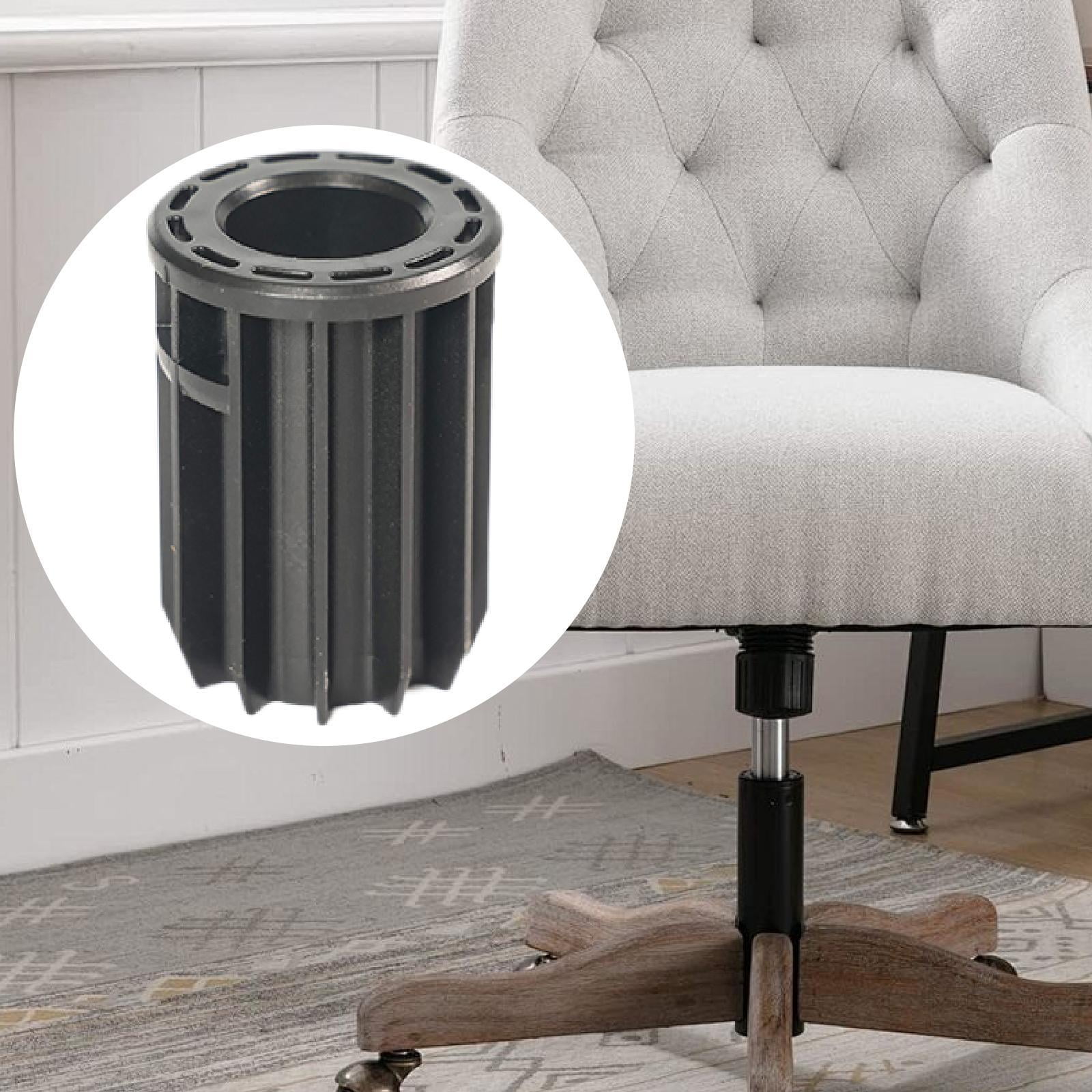
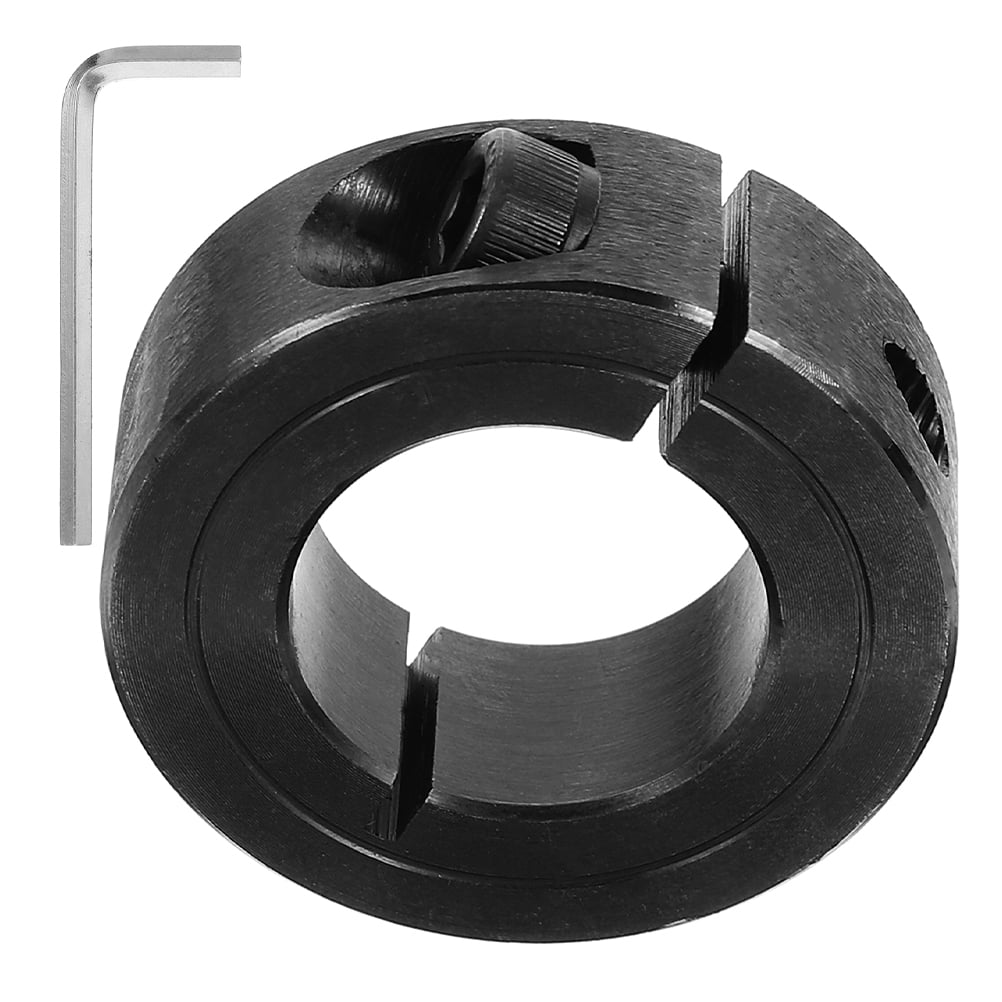
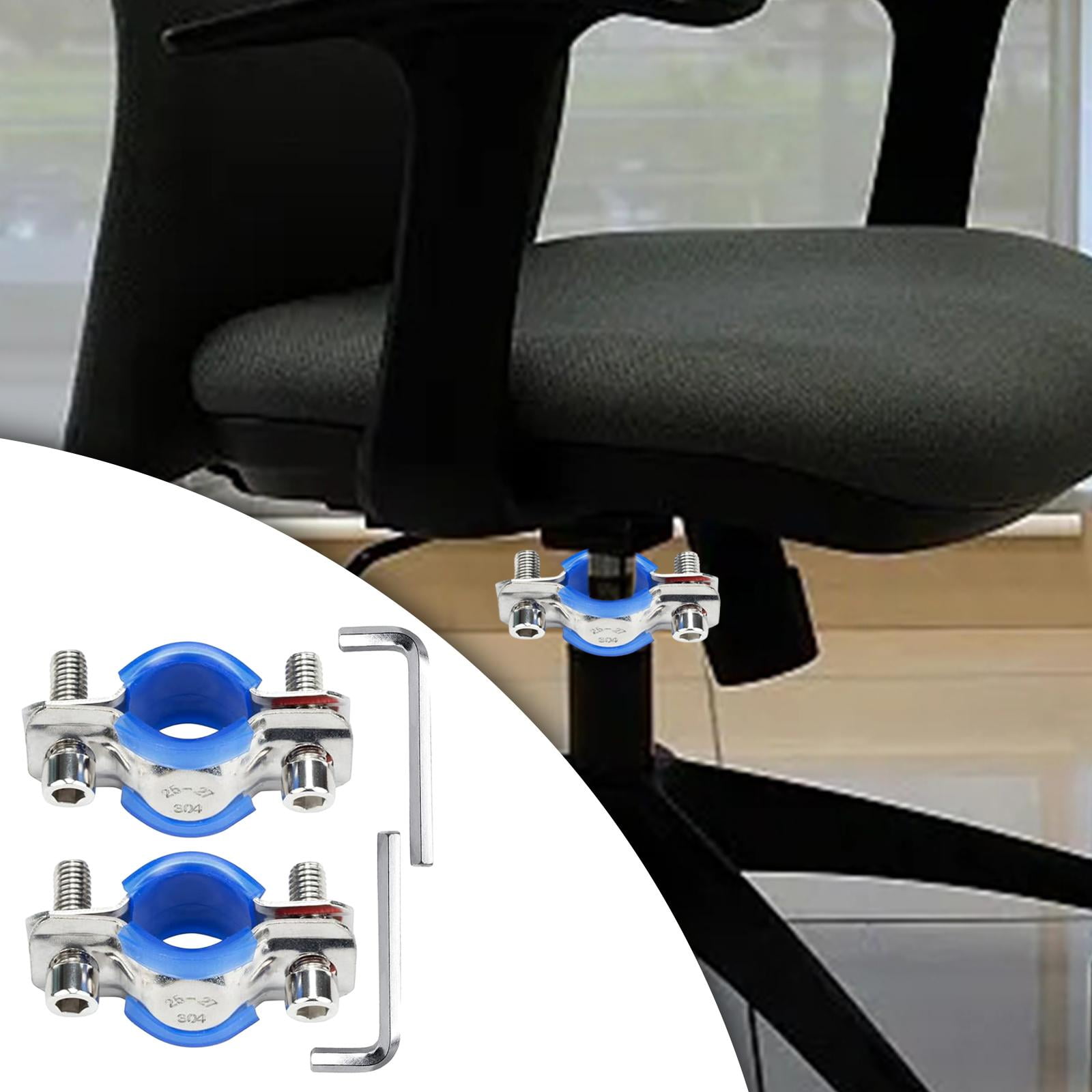
- Pipe clamp or chair cylinder repair sleeve (for the quick fix)
- Gloves and safety glasses (for protection)
Step-by-Step Guide: How to Fix Your Sinking Office Chair
Here are the most effective methods to solve the problem, starting with the simplest solutions. Choose the one that best matches your skill level and situation.
Method 1: The Quick Fix - Pipe Clamp or Repair Sleeve
This is the easiest, non-invasive method. It doesn't fix the cylinder itself but prevents it from sinking by creating a physical barrier.
- Clean the cylinder: Wipe down the gas lift cylinder shaft (the shiny metal rod) to remove any grease or dirt.
- Raise the chair: Adjust the chair to your desired height.
- Apply the clamp/sleeve: Place a pipe clamp or a specially designed chair cylinder repair sleeve around the shaft, just above the base where the cylinder enters.
- Tighten: Securely tighten the clamp. When the chair tries to sink, the clamp will make contact with the base mechanism, stopping the descent.
Best for: A quick, temporary fix while you wait for a replacement part. Ideal for people who don't want to disassemble the chair.
Method 2: Replace the Gas Lift Cylinder (The Standard Repair)
This is the most thorough and permanent solution. It involves removing the old, faulty cylinder and installing a new one. It sounds complicated, but it's manageable with the right technique.
- Step 1: Separate the chair from the base. Turn the chair upside down. Use a rubber mallet to tap the center of the wheel base (where the cylinder fits in). The base should pop off. If it's stuck, apply penetrating lubricant and let it sit for 10 minutes.
- Step 2: Remove the cylinder from the seat mechanism. The cylinder is also connected to the seat plate. Use the same tapping method with the mallet on the end of the cylinder shaft to separate it from the seat's tilt mechanism.
- Step 3: Measure and purchase a new cylinder. Gas lift cylinders are not one-size-fits-all. Measure the old cylinder's length and the diameter of the top and bottom pins to ensure you buy a compatible replacement. Standard sizes are often Class 3 or Class 4.
- Step 4: Install the new cylinder. Insert the new cylinder's top pin into the seat mechanism. Then, place the wheel base onto the bottom of the cylinder. Use a rubber mallet to tap it securely into place. Make sure everything is firmly seated.
- Step 5: Test it. Turn the chair right-side up. The new cylinder should hold your weight perfectly. Adjust it up and down to ensure smooth operation.
Best for: A permanent, reliable fix. It restores your chair to like-new condition and is the recommended method for valuable or favorite chairs.
⚠️ Caution: Gas lift cylinders are under high pressure. Do not cut or attempt to dismantle them. If you're uncomfortable with this repair, a local furniture repair shop can often do it for a small fee.
Method 3: Alternative Quick Fixes
If you're not ready for a full replacement, these simple hacks can work in a pinch.
- Use a PVC pipe or tubing: Cut a length of sturdy PVC pipe to your desired seat height. Place it around the cylinder shaft. When the chair tries to sink, the pipe will rest on the base, preventing further descent.
- Apply tape for temporary friction: Wrap a few layers of strong duct tape or electrical tape around the cylinder shaft. This can add temporary friction, though it's not a long-term solution for a worn-out seal.
- Check the set screw: Some chairs have a small set screw on the side of the mechanism holding the cylinder. If it's loose, tighten it with an Allen wrench.
How to Choose the Right Replacement Gas Lift Cylinder
Selecting the correct replacement is crucial. Here's a quick guide:
- Class Rating: Look for Class 4 (or sometimes Class 3) gas lifts. Class 4 is heavy-duty and recommended for daily, all-day use. It offers better durability and a higher weight capacity.
- Measurements: The most critical measurements are the pin diameter (top and bottom) and the cylinder length. Use a caliper or ruler to measure your old one accurately. Common pin diameters are 1/2 inch, 5/8 inch, or 7/8 inch.
- Type: There are "side-push" and "top-push" mechanisms. The most common for office chairs is the top-push (or "top-activated") mechanism, where the height adjustment lever activates a pin on the top of the cylinder.
If you're unsure, many online retailers offer customer service to help you match your cylinder based on photos and measurements.
When to Replace Your Chair Instead of Fixing It
While repairing a sinking chair is often the best economic choice, there are times when a replacement makes more sense:
- The chair is old and has multiple issues: If the padding is worn, the armrests are broken, and the gas lift is failing, the cost of repairs might exceed the chair's value.
- The chair is low-quality or inexpensive: For a budget chair, buying a new one might be more straightforward and cost-effective than sourcing and installing a new cylinder.
- The damage is structural: If the base or seat plate is cracked or damaged, a repair might be unsafe.