
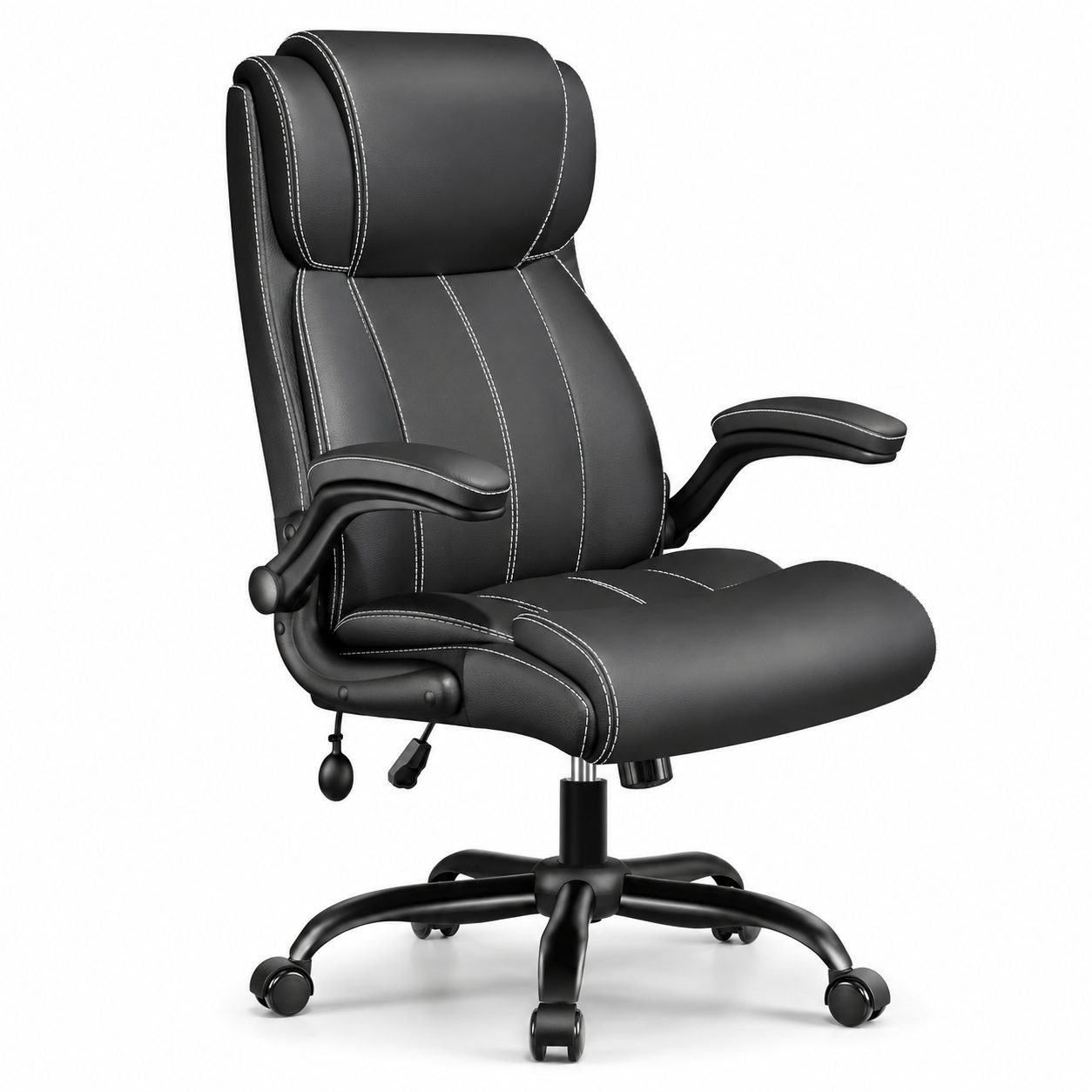
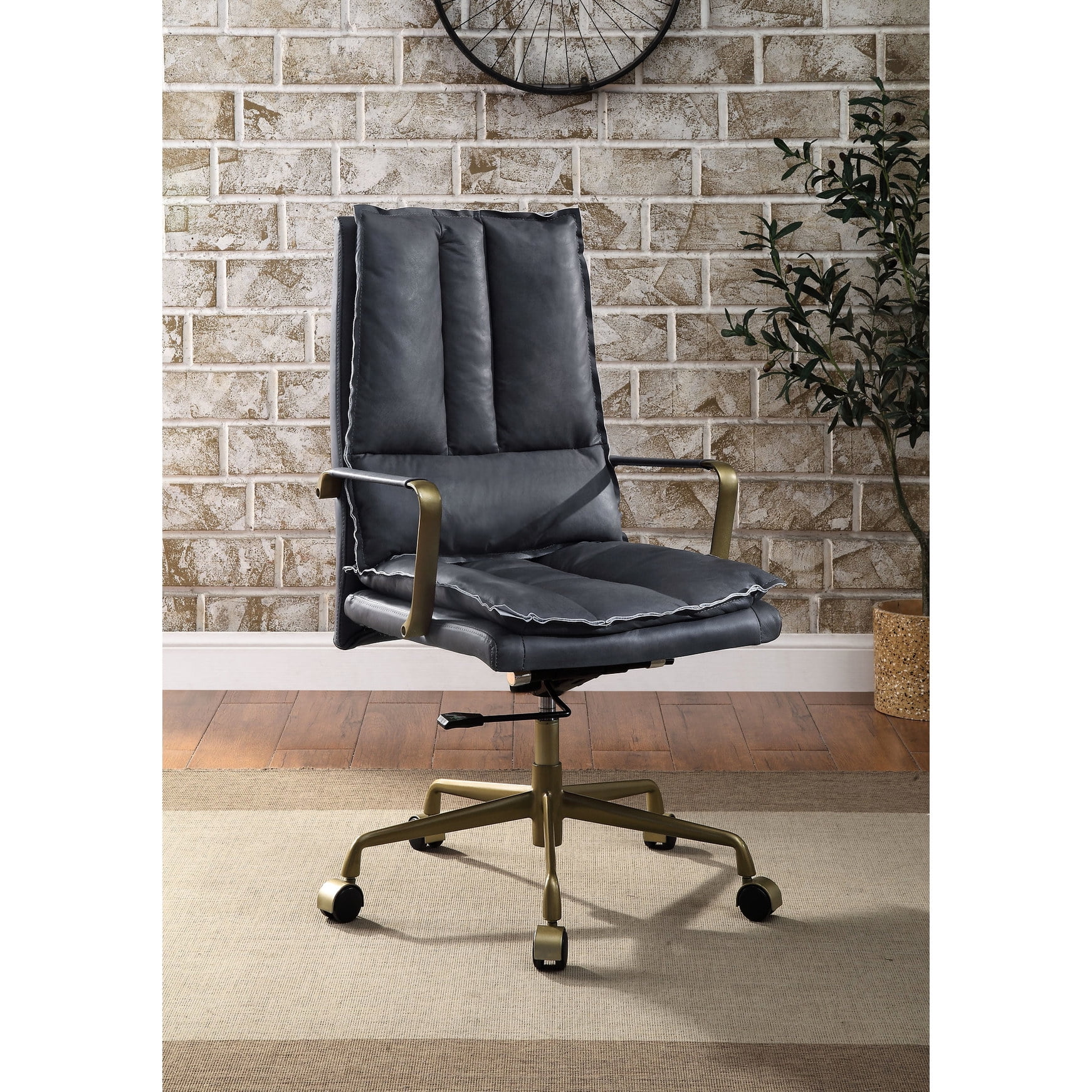
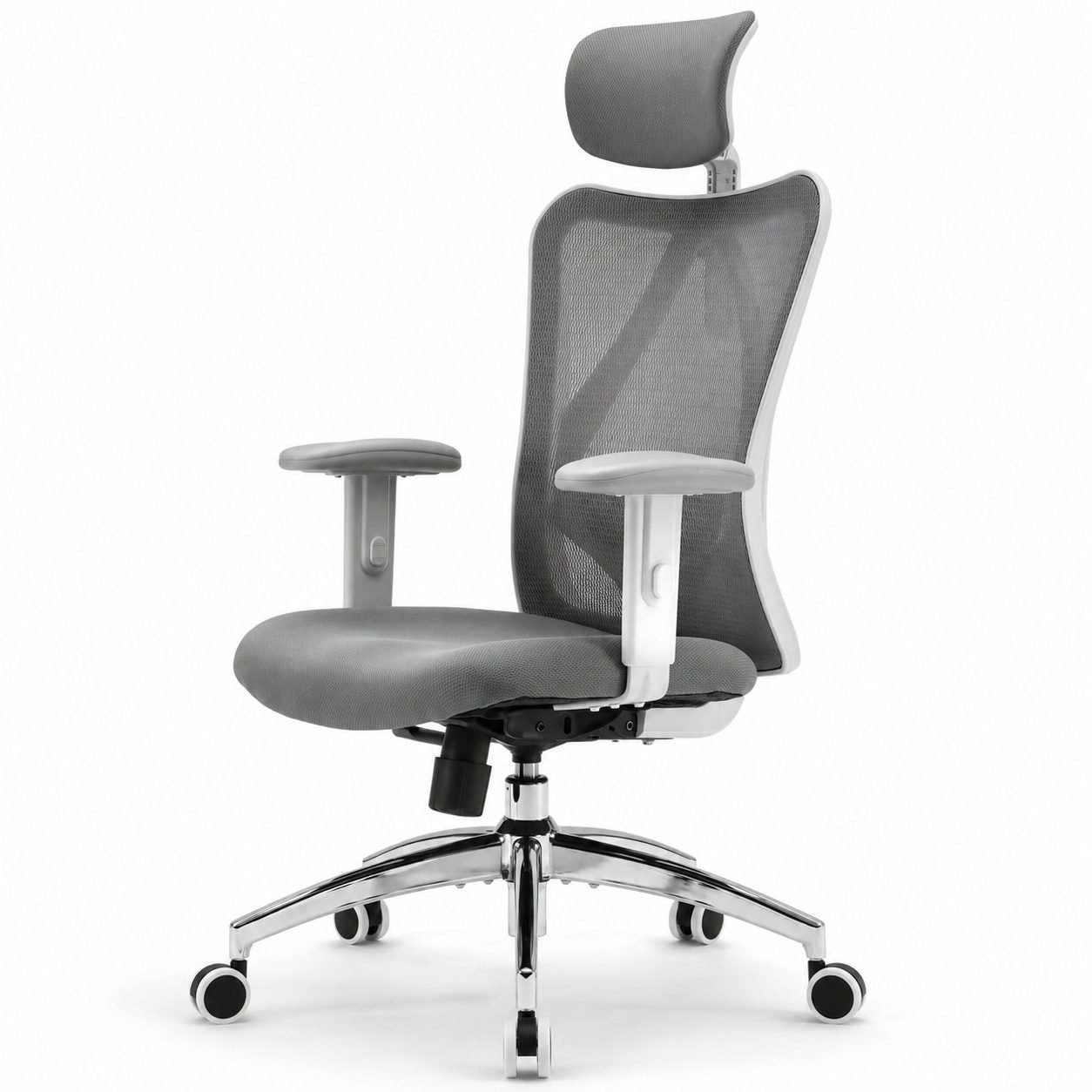
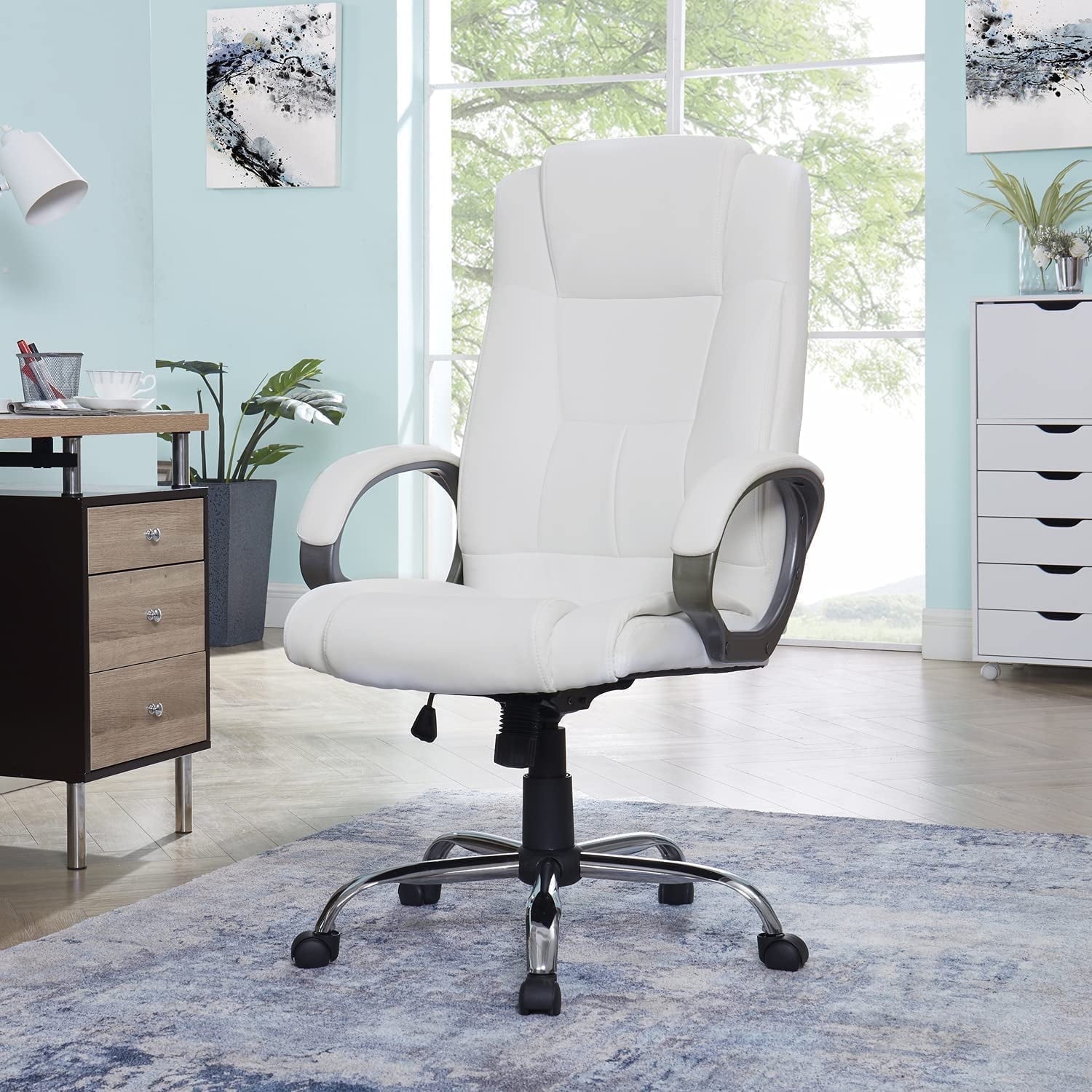
The Hidden Cost of a 'Cheap' Chair: Your Well-being
Imagine your spine as a delicate tower of blocks. Every hour you spend slumped in a chair with poor back support is like gently nudging that tower, block by block. Over a workday, that's eight hours of accumulated stress on your discs, muscles, and nerves. This isn't just about discomfort; it's about your long-term health. The search for an office chair comfortable back support is really a search for a tool that helps maintain that tower's integrity. Let's move beyond fluffy cushions and marketing jargon to understand what genuine, supportive comfort feels like.
Did You Know? According to the American Chiropractic Association, back pain is one of the most common reasons for missed work and the single leading cause of disability worldwide. Yet, a significant portion of this is mechanical in nature and can be mitigated with proper ergonomic support.
Decoding 'Comfortable Back Support': What Does It Actually Mean?
Forget the idea that comfort equals a soft, pillow-like backrest. For all-day sitting, comfortable support is about even pressure distribution and maintaining your spine's natural 'S' curve. It's dynamic, not static. Let's break down the key components that separate a true supportive chair from a pretender.
1. The Three Pillars of Ergonomic Back Support
Think of effective back support as a three-legged stool. If one leg is weak, the whole system fails. Here are the non-negotiable pillars:
- Lumbar Support (The Foundation): This isn't just a bump at the bottom of the chair. Effective lumbar support is adjustable in height and depth. It should push gently into the hollow of your lower back, preventing you from slouching. A static lumbar bump is like a one-size-fits-all hat—it works for some but is a misery for others.
- Backrest Height & Shape (The Middle Pillar): A chair that supports your entire back, from pelvis to shoulders, distributes the weight of your upper body more evenly. Look for a backrest that is tall enough to support your shoulder blades, or even better, one with an adjustable height mechanism. The shape should encourage your shoulders to roll back, opening up your chest.
- Recline & Tilt Tension (The Dynamic Pillar): Your back isn't designed to be static. A good chair allows you to recline and rock gently. This movement pumps nutrients into your spinal discs and changes the pressure points. The key is synchronized recline, where the seat and backrest move together to keep you supported and prevent your shirt from pulling out.
2. Material Science: Mesh vs. Foam vs. Hybrid for Back Health
The material of your backrest isn't just about looks; it's a critical factor in long-term comfort. Here's how they stack up for back support:
High-Quality Mesh
- Breathability: Prevents heat buildup, keeping you dry and comfortable.
- Conforming Support: High-tension mesh acts like a hammock, conforming to your back's unique shape and providing uniform support across the entire surface.
- Resilience: It doesn't break down or flatten over time like foam, maintaining its supportive properties for years.
Molded Foam
- Pressure Points: If not perfectly molded for your body, foam can create pressure points.
- Heat Retention: Foam tends to trap body heat, leading to a sweaty back.
- Breakdown: Over time, foam compresses and loses its supportive "rebound," leading to a flat, unsupportive backrest.
Our Verdict: For most people seeking an office chair comfortable back support for all-day use, a chair with a high-quality mesh back is the superior choice. It offers the best combination of breathability, durability, and adaptive support. Hybrid chairs (mesh back with a foam seat) can offer the best of both worlds.
3. The 'Active Sitting' Concept: How Your Chair Can Make You Move
The human body is built for motion, not stasis. The most comfortable chair isn't one that locks you in one perfect position, but one that encourages micro-movements throughout the day. This is the principle of 'active sitting.'
- Advanced Tilt Mechanisms: Look for chairs with a multi-position or infinitely variable tilt lock. Being able to change your angle from 90 degrees to 110 or 120 degrees throughout the day shifts the load on your spine.
- Seat Depth Adjustment: This allows you to create a 2-3 finger gap between the back of your knee and the seat pan. Proper depth ensures you can use the backrest without cutting off circulation, which is vital for active fidgeting.
- Waterfall Edge: A seat edge that curves gently downward reduces pressure on the backs of your thighs, promoting better blood flow to your legs and encouraging you to shift forward slightly from time to time.
Your Personalized Selection Strategy: A Step-by-Step Approach
Forget glossy brochures. Here is a practical, 3-step method to identify if a chair will genuinely offer you comfortable back support.
Step 1: The 'Hand Test' for Lumbar Support
When you sit in a chair, slide your hand between your lower back and the backrest. Does it fit snugly with light pressure, or is there a gap? A gap means the lumbar support isn't doing its job for YOUR spine. If you can't adjust it, move on. If it's adjustable, try to close that gap.
Step 2: The 15-Minute 'Fidget' Test
Don't just sit still for 30 seconds. Spend at least 15 minutes in the chair if possible. Work, type, read, and lean back. Pay attention to where you start to feel pressure. Do you find yourself constantly shifting to find a comfortable spot for your back? That's a red flag. A truly supportive chair fades into the background, allowing you to focus on your work.
Step 3: The 'Shoulder Roll' Check
When you're sitting naturally, do your shoulders feel rounded forward or are they relaxed and back? A good backrest will subtly encourage your shoulders to open up. If the chair's back is too narrow or sloped, it will force your shoulders into a hunched position, leading to upper back and neck pain. Your upper back needs love, too!
Frequently Asked Questions About Comfortable Back Support Chairs
Conclusion: Your Back is Your Most Valuable Asset
Finding an office chair comfortable back support isn't a luxury; it's an investment in your productivity, focus, and long-term physical health. It's easy to get lost in a sea of features and price tags, but remember to focus on the fundamentals: adjustable lumbar support, breathable materials, and a design that encourages movement. Don't let a chair dictate your posture; find one that empowers you to maintain your body's natural, healthy alignment. Your back works hard for you every single day—it's time to return the favor.
The 30-Second Takeaway
When shopping, prioritize adjustability over fixed features. A chair that adapts to you will always be more comfortable than one you have to adapt to. Look for independent lumbar adjustment, seat depth control, and a backrest that supports your entire back. Happy (and healthy) sitting!