
Why the Right Chair Matters for Petite Individuals
For short people, finding the most comfortable office chair is not a luxury—it's a necessity for health and productivity. Standard office chairs are typically designed for the average height, which is around 5'8" to 6'0". This leaves petite individuals, often under 5'4", struggling with chairs that are too tall, too deep, and lacking proper support. The result? Dangling feet, compressed thighs, back pain, and a constant battle to find a comfortable position.
Ergonomic Insight: A study published in the International Journal of Industrial Ergonomics found that mismatched seating dimensions are a primary cause of musculoskeletal discomfort in shorter workers. The right chair can reduce lower back pain by up to 45% and improve focus and efficiency by allowing the user to sit in a stable, supported posture.
Key Dimensions for Short People
To find the most comfortable office chair for short people, you need to look beyond aesthetics and focus on specific measurements. Here are the critical dimensions and what to look for:
- Seat Height: The minimum seat height should ideally be 16 inches or lower. This allows your feet to rest flat on the floor, a fundamental requirement for proper posture and circulation.
- Seat Depth: Look for chairs with adjustable seat depth. A shallower depth (around 16-18 inches) ensures you can sit with your back against the backrest without the front edge pressing against the back of your knees.
- Backrest Height: A backrest that is too tall will push your shoulders forward. For short people, a backrest that supports the natural curve of the lumbar and mid-back is ideal. The curvature should align with your spine.
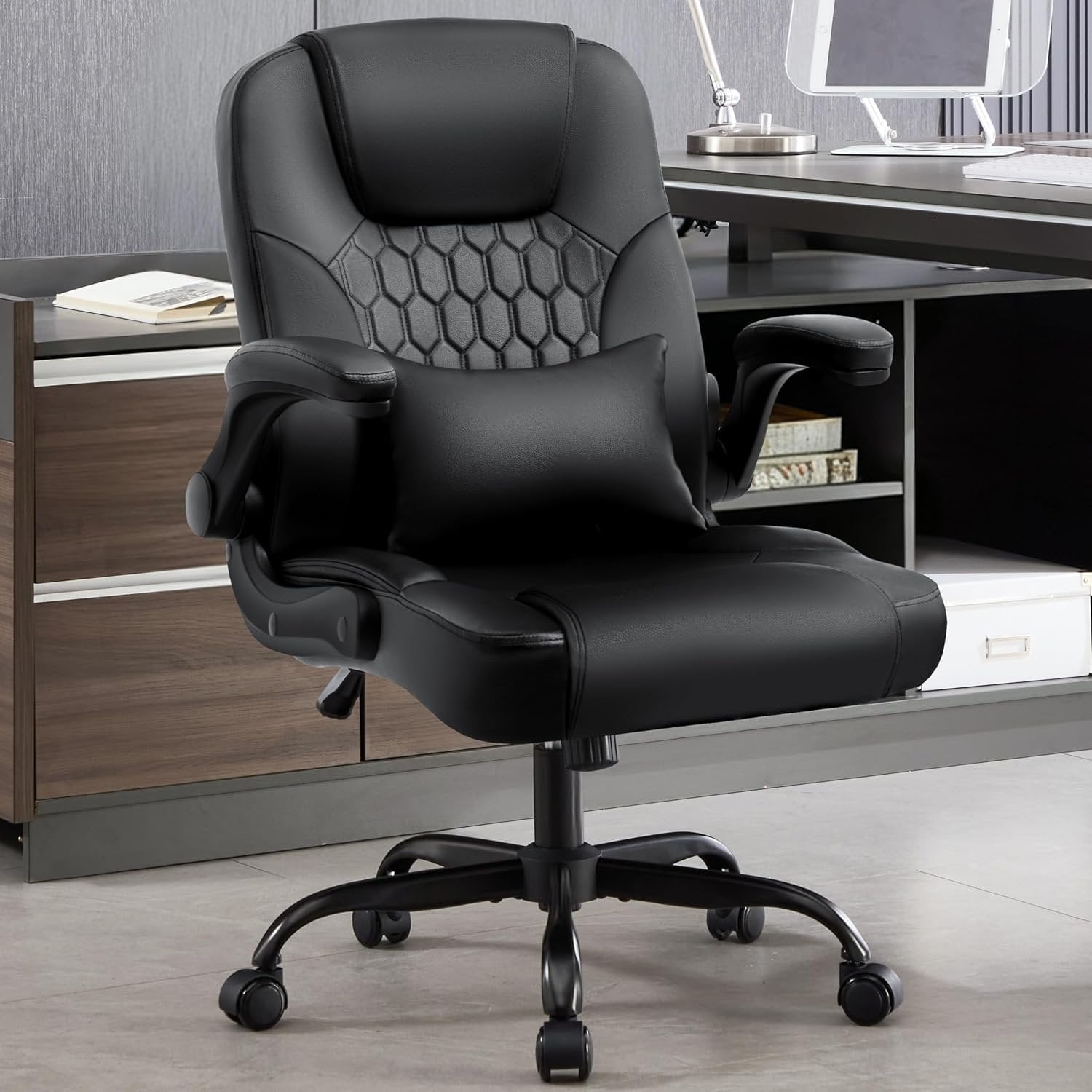
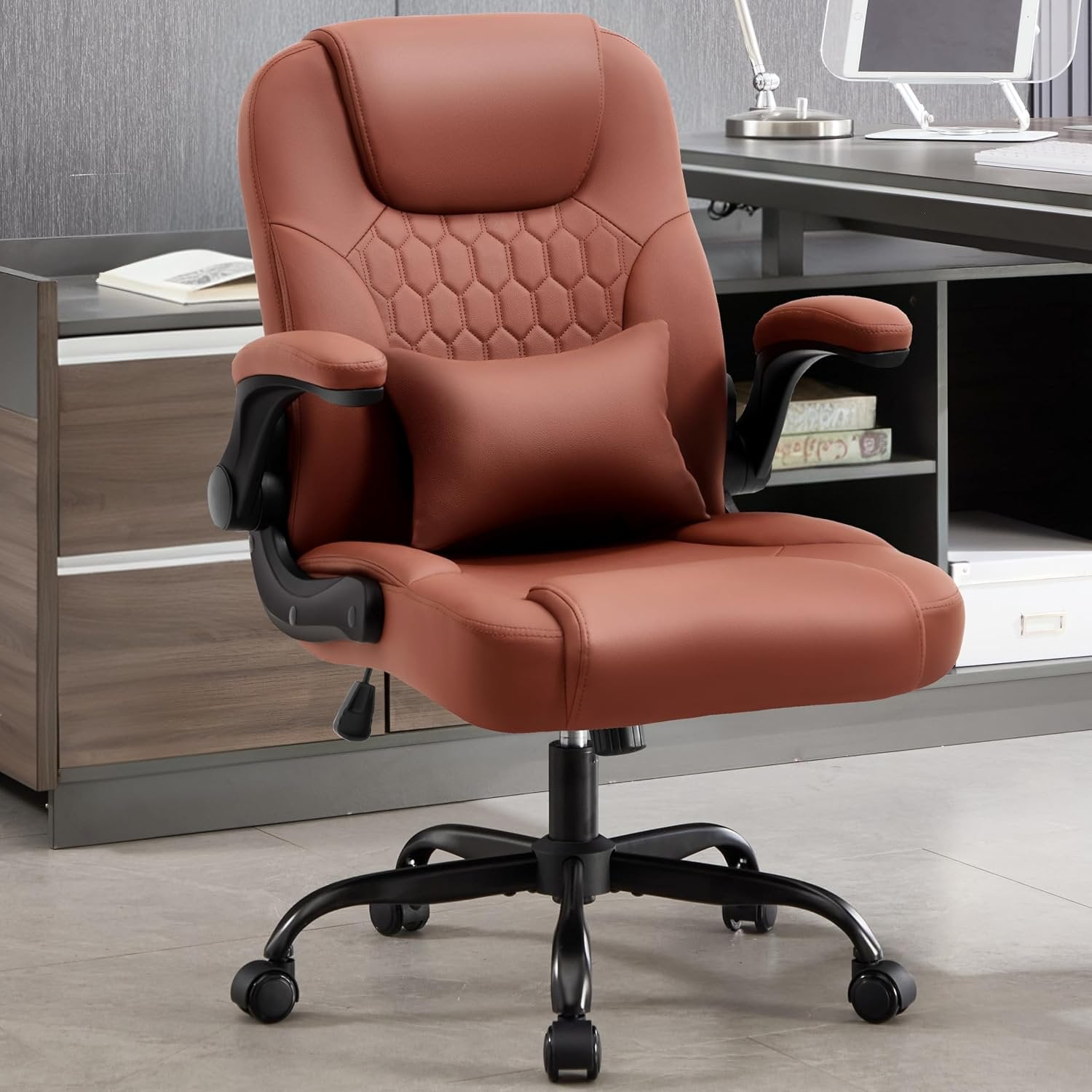
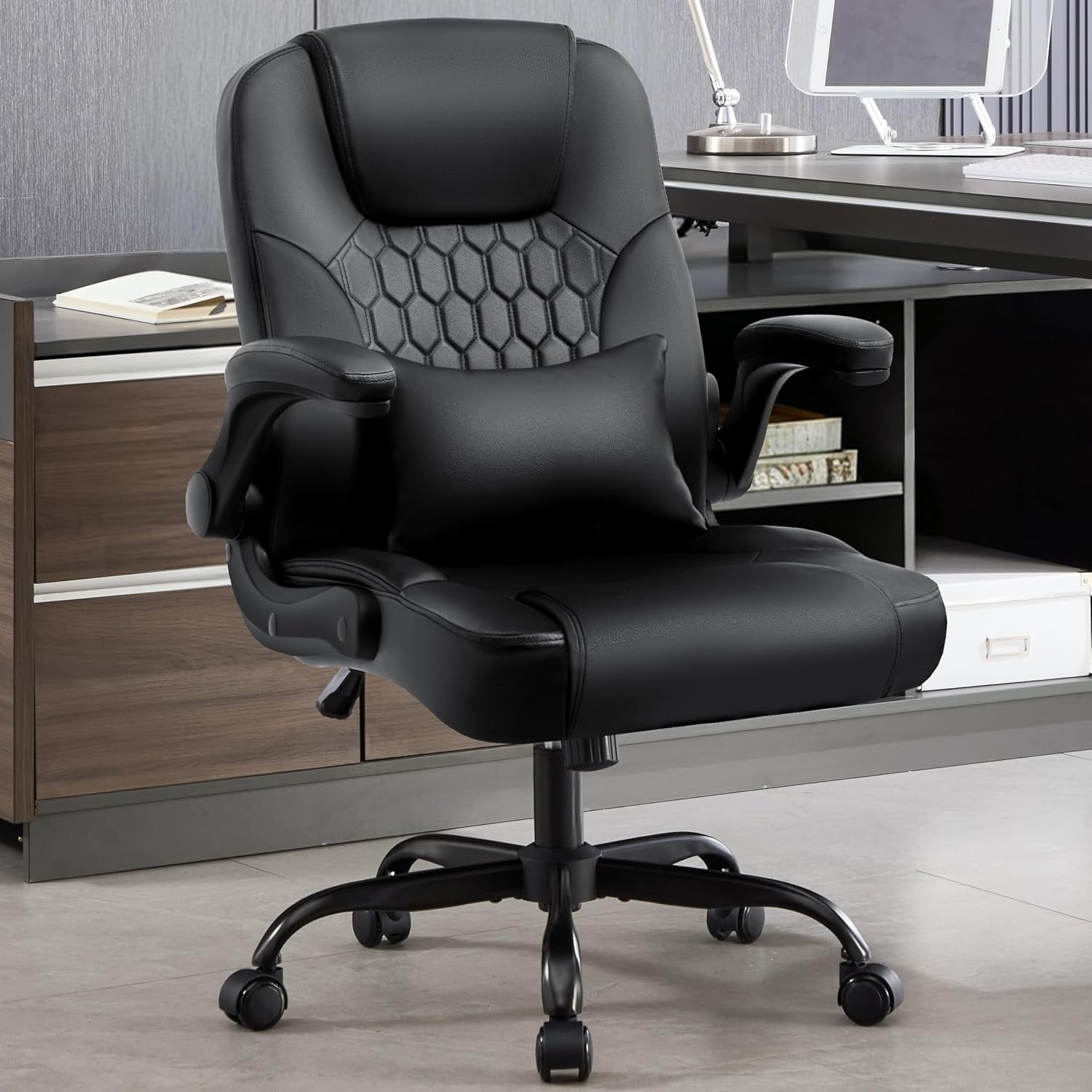
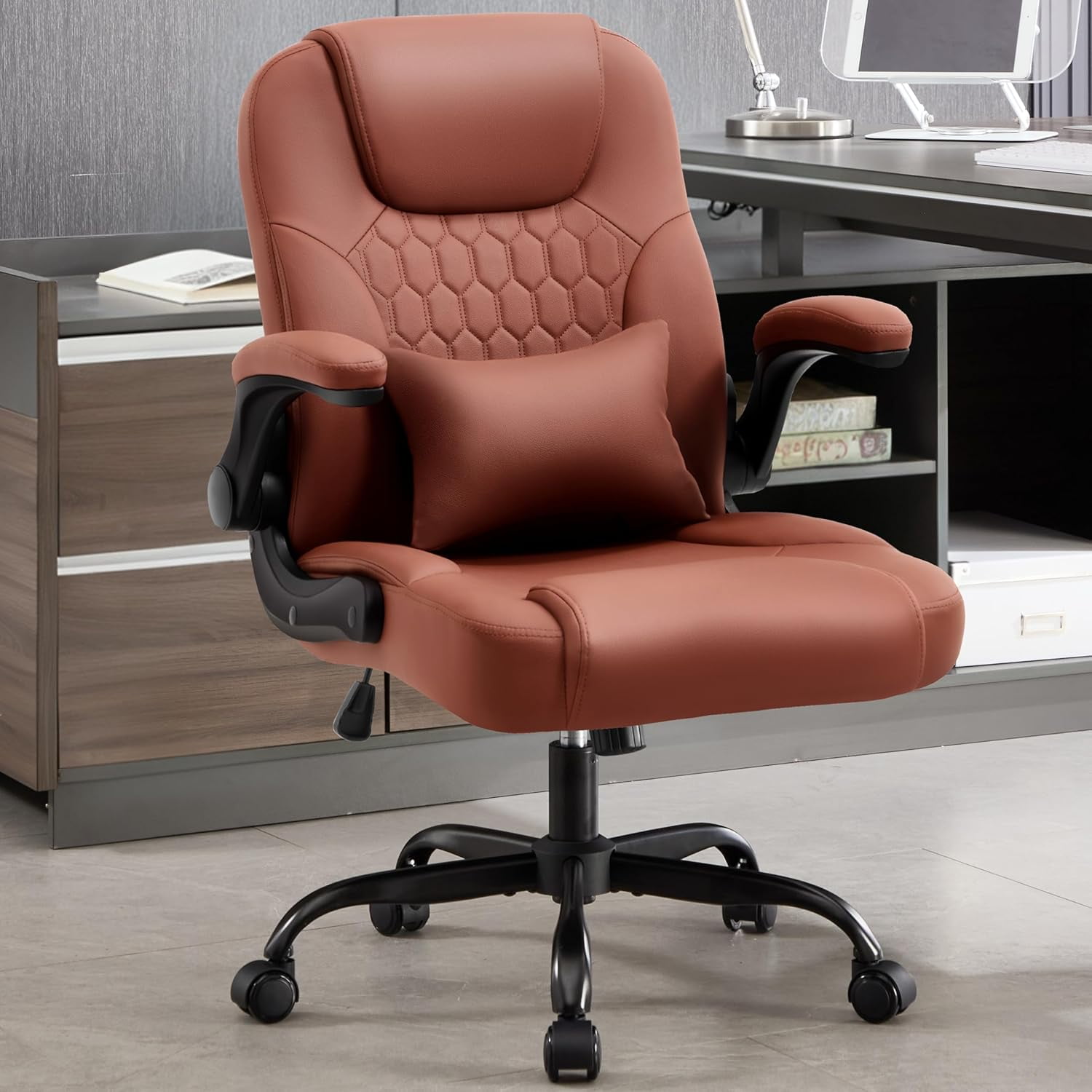
- Armrest Adjustability: Armrests should be adjustable or flip-up. This allows you to get close to your desk without your arms being forced into an unnatural, elevated position.
- Weight Capacity: While not a dimension, a chair with a weight capacity that significantly exceeds your weight often has a larger, stiffer seat cushion, which may not be comfortable for a petite user.
Ergonomic Features That Make a Difference
Investing in a chair with these ergonomic features can transform your workday:
- Adjustable Lumbar Support: This is non-negotiable. The ability to adjust the height and depth of the lumbar support ensures it hits the curve of your lower back, preventing slouching and reducing strain.
- Waterfall Seat Edge: A seat with a gently sloping front edge, often called a "waterfall" design, relieves pressure on the back of your thighs and improves circulation.
- Synchro-Tilt Mechanism: This allows the backrest and seat to move in a synchronized ratio as you recline. It ensures your feet stay on the floor and your line of sight remains consistent.
Quick Comparison: Standard vs. Petite-Friendly Chairs
| Feature | Standard Chair | Petite-Friendly Chair |
|---|---|---|
| Seat Height | 18" - 22" | 14" - 19" |
| Seat Depth | 18" - 21" | 16" - 18" (adjustable) |
| Lumbar Support | Fixed or limited adjustability | Height and depth adjustable |
| Armrests | Fixed or 2D | 3D/4D or flip-up |
| Backrest Height | Tall, often above shoulders | Mid-back or adjustable height |
Top Features to Prioritize for Short People
Adjustable Seat Height
Prioritize chairs with a seat height that adjusts to as low as 16 inches. This is the most critical feature for petite users to ensure feet are flat on the floor.
Seat Depth Adjustment
This allows you to slide the seat pan forward or backward. A shallower depth ensures your back is supported and your legs are comfortable.
Height-Adjustable Backrest
Being able to move the backrest up and down ensures the lumbar support is correctly positioned for your shorter torso.
Flip-Up Armrests
This feature allows you to tuck the chair under the desk when not in use and brings your shoulders down, preventing them from being elevated.
Ultimate Selection Guide for Short People
Step 1: Know Your Measurements
- Height: Your overall height helps determine the general seat height range.
- Weight: Ensure the chair's weight capacity is suitable, but be aware that chairs for heavier users may have stiffer cushions.
- Seat Depth Preference: Measure from the back of your knee to the back of your buttocks while sitting. This gives you an idea of the ideal seat depth.
Step 2: Test the Chair's Adjustability
The most comfortable office chair for short people will have a wide range of adjustments. In a store or when reading reviews, check:
- Can the seat height go low enough for your feet to rest flat?
- Does the seat depth shorten enough so you don't feel pressure behind your knees?
- Is the lumbar support positioned correctly for your back?
- Are the armrests adjustable to allow your shoulders to relax?
Step 3: Consider Material and Build Quality
While adjustability is key, the material also plays a role in comfort. Breathable mesh prevents sweating, while high-density foam provides lasting support. A sturdy base and smooth-rolling casters are also important for mobility and stability.
Step 4: Read Petite-Specific Reviews
Look for reviews from people of a similar height. They will provide the most honest and relevant feedback about fit and comfort. Words like "I'm 5'2" and this is perfect" are gold for your search.
Frequently Asked Questions About Office Chairs for Short People
Conclusion: Invest in Your Comfort and Health
Finding the most comfortable office chair for short people is a process of understanding your specific needs and matching them with a chair that offers the right adjustments. It's an investment in your daily comfort, long-term spinal health, and productivity. Don't settle for a "one-size-fits-all" solution. Use the guidance in this article to find a chair that fits your petite frame perfectly and makes your workday more enjoyable and pain-free.
Final Pro Tip: Always test the chair if possible, or buy from a retailer with a generous return policy. Comfort is a personal experience, and even a well-reviewed chair might not be perfect for you. Take the time to find the one that feels like it was made just for you.