
Understanding Your Needs: The Foundation of a Great Chair Search
Finding the right office chair isn't just about picking the first one you see on sale. It's about understanding your own body, your work habits, and your environment. Think of your office chair as the foundation of your workspace—a poor foundation can lead to a cascade of problems, from daily discomfort to long-term health issues. A great chair, however, becomes invisible, supporting you so you can focus on what matters most: your work.
Did You Know? According to a study by the American Chiropractic Association, 80% of the population will experience back pain at some point, and prolonged sitting in non-ergonomic chairs is a leading contributor. The right chair can be a proactive investment in your musculoskeletal health.
The Anatomy of an Ergonomic Office Chair: What to Look For
When you are looking for office chairs, it helps to know the key components that separate a simple chair from a truly ergonomic one. Here's a breakdown of the essential features to prioritize:
- Adjustable Seat Height: This is non-negotiable. Your feet should rest flat on the floor, with your thighs parallel to the ground. A pneumatic lift lever allows for quick, easy adjustments.
- Dynamic Lumbar Support: A built-in or adjustable support for the curve of your lower back. The best systems allow for both height and depth adjustment to perfectly fit your spine's unique contour.
- Seat Depth Adjustment: This often-overlooked feature is crucial. It allows you to slide the seat pan forward or backward to ensure there's a 2-3 finger gap between the back of your knees and the seat edge, promoting healthy circulation.
- Multi-Dimensional Armrests (3D or 4D): Armrests that adjust up/down, pivot in/out, and slide forward/back allow you to position them so your shoulders remain relaxed and your wrists are level with your keyboard.
- Tilt Mechanism with Tension Control: A chair that allows you to recline and lock in multiple angles encourages movement and helps reduce pressure on your spine. Tension control lets you adjust the resistance to match your body weight.
Matching Your Chair to Your Work Style
Your daily tasks significantly influence which chair features are most critical for you. Consider your typical workday:
1. The Focused Worker (8+ hours of continuous sitting)
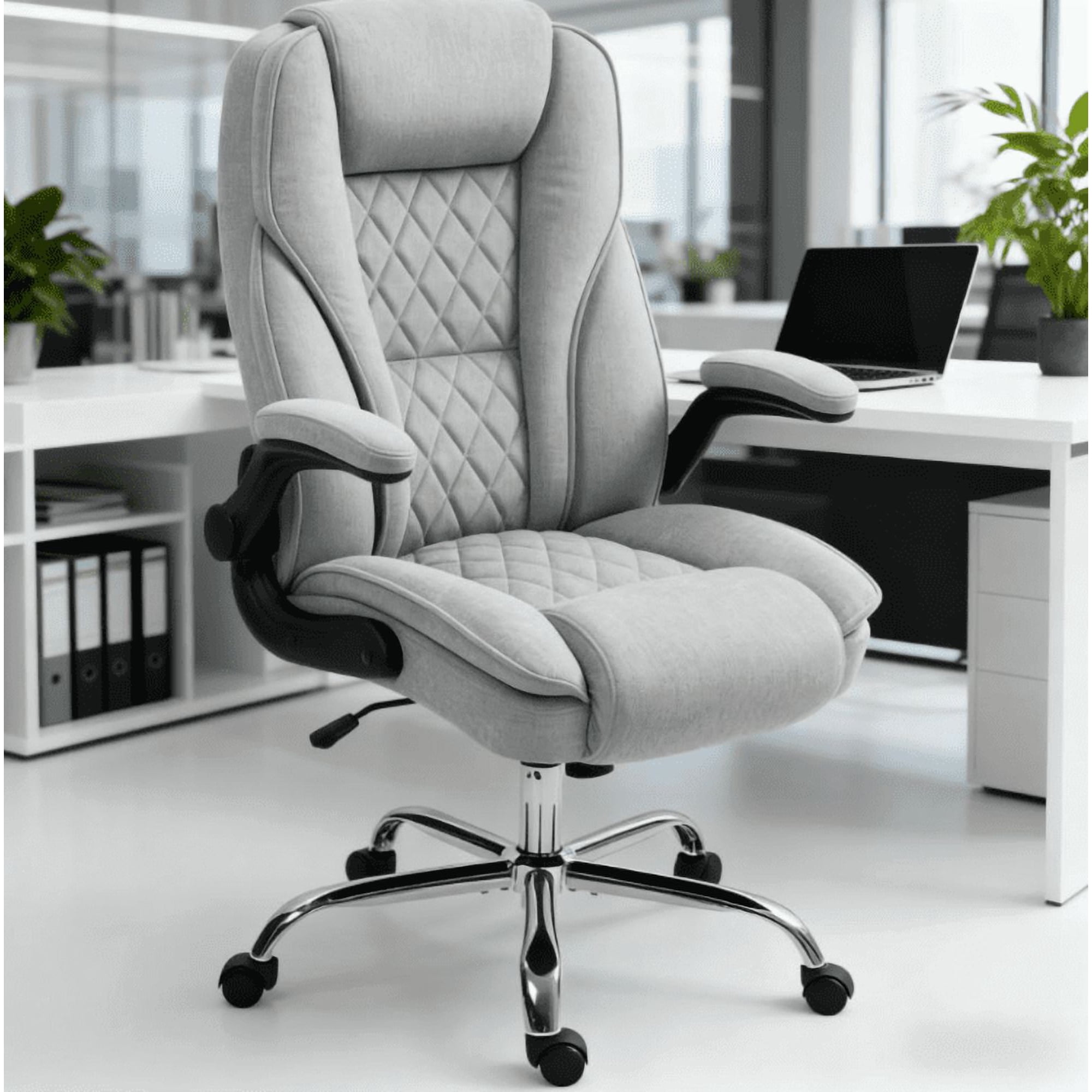
If your work involves deep concentration with minimal movement, prioritize a chair with a high back for full spinal support, advanced lumbar adjustment, and a seat depth that prevents pressure on your thighs. A headrest can also be a valuable addition for occasional leaning back to rest your neck.
2. The Multi-Tasker & Creative Professional
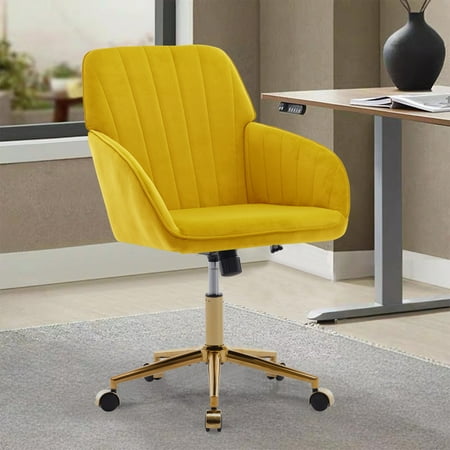
If you frequently switch between typing, taking calls, and brainstorming, look for a chair with a versatile recline mechanism and highly adjustable armrests. A chair that allows for easy swiveling and has a waterfall seat edge will support the dynamic movement of your work style.
3. The Collaborative Leader (Frequent Meetings)
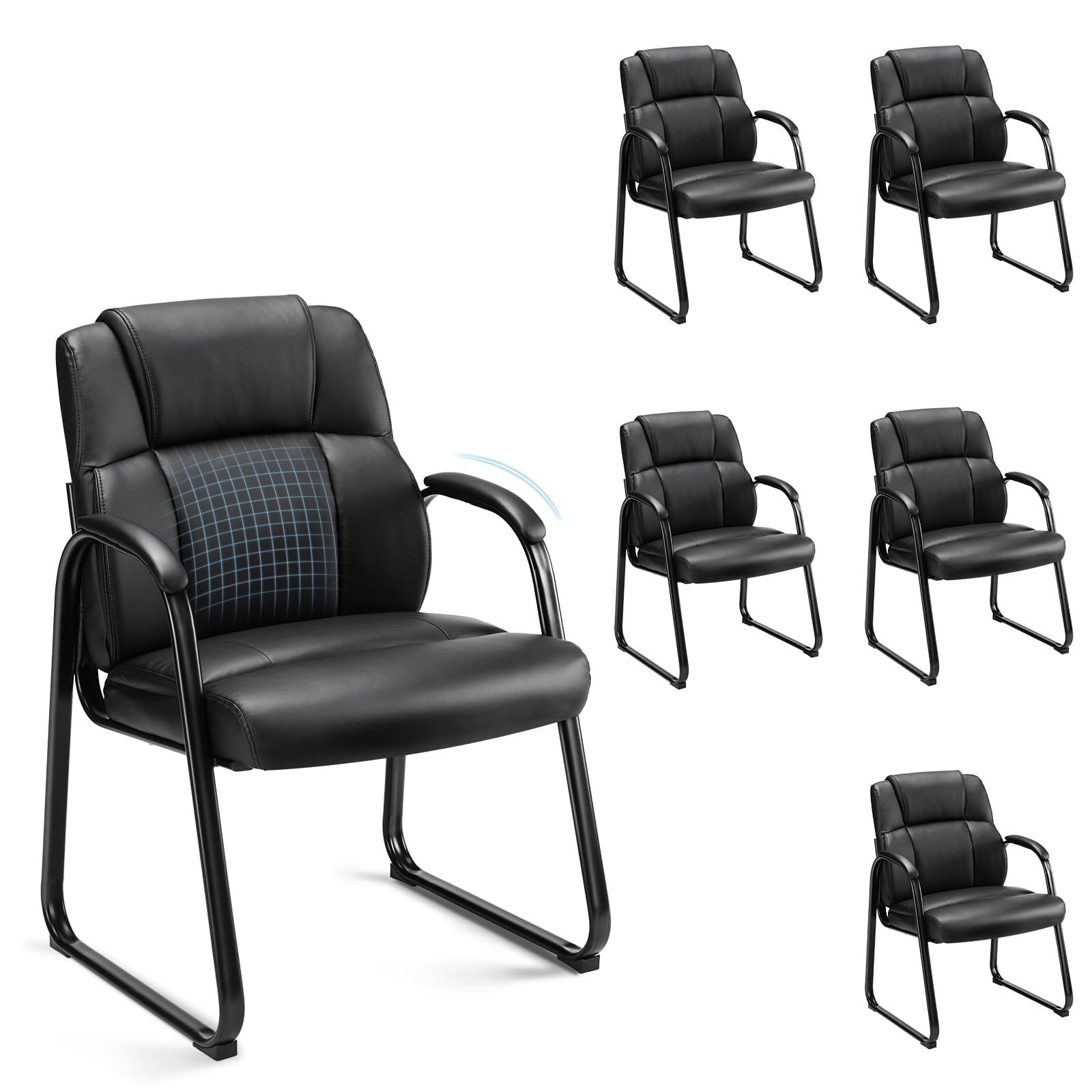
For those who spend a lot of time in meetings, both in-person and virtual, aesthetics matter alongside function. A chair with a sleek, professional design and a comfortable, supportive seat is key. Consider a model with a subtle recline and a quiet swivel mechanism for video calls.
📌 Pro Tip for Your Search: The best office chair is the one that fits you. Before making a purchase, try to test a few models if possible. If buying online, pay close attention to the return policy. A reputable brand will offer a risk-free trial period, allowing you to ensure the chair meets your needs in your actual workspace.
Comparing Chair Types: Finding Your Material Match
The material of your chair affects comfort, breathability, maintenance, and style. Here's a quick comparison to guide your choice:
| Material | Best For | Pros | Cons |
|---|---|---|---|
| Mesh | Hot climates, all-day comfort seekers | Ultra-breathable, modern look, consistent support, low maintenance | Can be less plush, may require more frequent cleaning of dust |
| Leather/Faux Leather | Executive offices, traditional style | Plush feel, easy to wipe clean, professional appearance, durable | Can get warm, requires conditioning (for real leather), may crack over time |
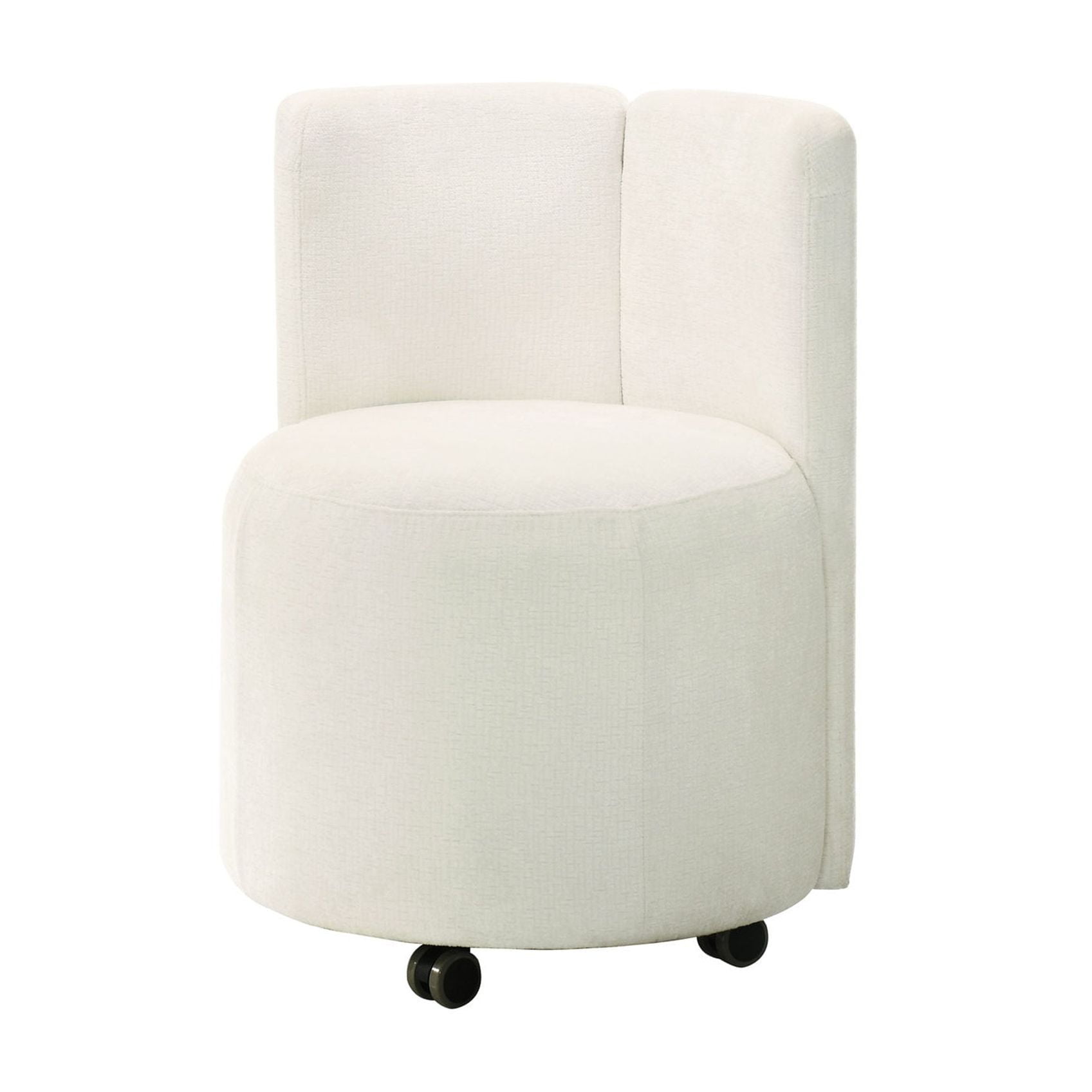
| Fabric | Home offices, budget-conscious shoppers | Wide range of colors, comfortable, generally more affordable, soft feel | Stain-prone, can trap allergens, less durable than high-quality mesh/leather |
Beyond the Basics: Specialized Considerations for Your New Chair
Once you've grasped the fundamental ergonomic features, it's time to consider any specific needs you might have. The perfect chair for a petite person will differ from one designed for a tall individual. Here are specialized areas to think about as you continue your search:
For the Big & Tall Individual
If you are looking for office chairs designed for larger frames, standard models often fall short. You need a chair with a wider seat base, a higher backrest, and a robust weight capacity (typically 400-500 lbs). Look for terms like "heavy-duty" or "big and tall" in product descriptions. These chairs feature reinforced steel frames and larger gas lift cylinders to ensure long-term safety and stability.
For the Petite User
Many standard office chairs are designed for a user of average height. If you are shorter, you might find that the seat is too deep, causing pressure behind your knees, or that the armrests can't be lowered enough. Prioritize chairs with excellent seat depth adjustment and armrests that can be lowered significantly. Some manufacturers offer "petite" or "short person" specific models with shorter seat pans and lower cylinder ranges.
For Spinal Health & Posture
If you're specifically looking for office chairs to help with back pain, focus on models with adjustable lumbar support and a synchronous tilt mechanism. Synchronous tilt allows the seat and backrest to move together in a coordinated way, mimicking the natural movement of your spine and pelvis. This keeps you in a supported, neutral posture even as you lean back. A chair with a good lumbar system is your first line of defense against back pain.
Frequently Asked Questions About Finding Office Chairs
Conclusion & Final Recommendations for Your Chair Search
Starting the journey of looking for office chairs can feel daunting, but armed with the right knowledge, you can transform it from a chore into a rewarding investment in your comfort and productivity. Remember, the goal is to find a chair that becomes an extension of your body, supporting you so well that you forget it's there.
Your Path to the Perfect Seat
Note your height, weight, typical daily sitting duration, and any existing aches or pains. This will be your compass when comparing models.
A fixed chair might look nice, but it won't adapt to you. The ability to fine-tune seat height, lumbar, armrests, and tilt is what makes a chair truly ergonomic.
Take advantage of showrooms or generous return policies. Sit in your top candidates for at least 15-20 minutes. Your body will tell you what feels right.
Quality office chairs are built to last for a decade or more. Spreading the cost over that many years of daily use puts the initial price tag into perspective. Your health and focus are worth it.
We hope this guide simplifies your search and helps you find an office chair that provides years of comfort, support, and style. Browse our curated product selections above to start your journey today. Your ideal workspace is just a great chair away.