
Why Standard Chairs Fail: The Case for Heavy Duty Office Chairs
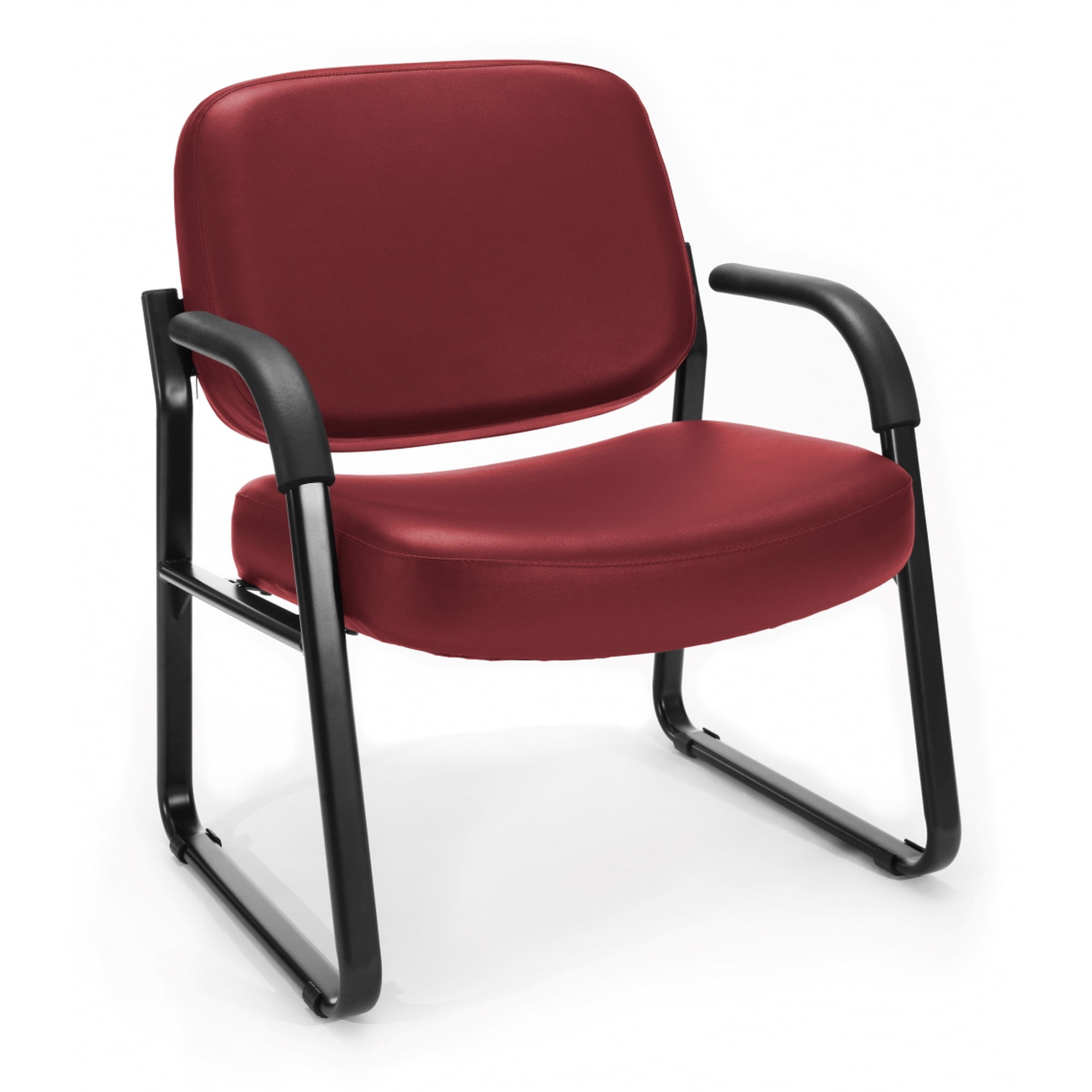
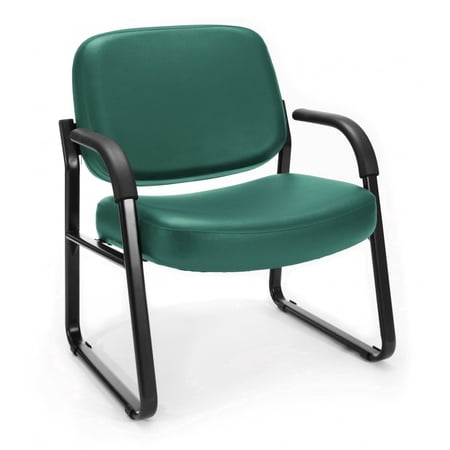
Imagine trying to fit into a suit that’s two sizes too small — uncomfortable, restrictive, and impossible to maintain dignity. Standard office chairs often feel exactly like that for larger individuals. A heavy duty office chair for large person is not merely an upsized version; it’s an engineering triumph that combines reinforced materials, advanced ergonomics, and generous proportions to deliver uncompromised comfort and safety.
Did you know? According to ergonomic studies, users who weigh over 250 lbs are 73% more likely to experience premature chair failure (cylinder collapse, base cracks) with standard-rated chairs. Heavy duty chairs reduce such risks to near zero by using Class 4 gas lifts and steel-reinforced components.
Defining Features of Heavy Duty Office Chairs
When shopping for a chair that truly supports a larger frame, look beyond marketing jargon. Genuine heavy duty models share specific DNA:
- High Weight Capacity: Minimum 350 lbs, premium models up to 500 lbs, certified by BIFMA standards.
- Extra-Wide Seat: Seat widths between 21 and 24 inches, providing ample hip room and thigh support without squeezing.
- Reinforced Steel Frame: Heavy gauge steel back and seat frames that resist flexing and cracking over years of use.
- Larger Gas Lift Cylinder: Class 4 or heavy-duty cylinders with extended height range and robust seals.
- Oversized Base & Casters: 27-28 inch diameter nylon or aluminum bases paired with 2.5-3 inch dual-wheel casters for smooth rolling even on thick carpet.
- High-Density Foam: Seat foam rated for 2.5-3.5 lbs/cubic foot density to resist flattening and maintain contour.
Critical Ergonomic Considerations for Larger Users
Weight capacity alone doesn’t guarantee comfort. A truly supportive chair adapts to body mechanics. Here’s what to prioritize:
📏 Seat Depth & Width
For tall or large persons, seat depth should be adjustable (19-22 inches) to allow 2-3 fingers of space behind the knees. Width must be at least 21 inches to avoid pressure on hips.
🦵 Lumbar Support Positioning
Because larger frames shift the center of gravity, look for chairs with height-adjustable lumbar (4-6 inches of vertical movement) to target the natural curve of the lower back.
🪑 Armrest Flexibility
4D armrests (height, width, depth, pivot) allow you to position arms at ergonomic angles, reducing shoulder strain — crucial for broad-shouldered individuals.
⚙️ Tilt Mechanism & Tension
Heavy duty chairs require a multi-angle lock and adjustable tilt tension that accommodates higher body weight without feeling “loose” or unstable.
Material Comparison: Which Upholstery Lasts for Heavy Use?
Choosing the right material directly impacts lifespan, maintenance, and comfort. Here’s a breakdown for heavy duty environments:
| Material Type | Durability Rating | Breathability | Best For |
|---|---|---|---|
| Heavy-Duty Mesh | Excellent (tear-resistant, maintains tension) | Superior airflow | Warm climates, long hours, active sitting |
| Bonded Leather / PU | Good (3-5 years, easy cleaning) | Moderate (perforated variants available) | Executive style, easy maintenance |
| High-Grade Fabric / Microfiber | Very good (abrasion-resistant, reinforced stitching) | Good | Soft feel, budget-friendly, wide color options |
| Full Grain Leather | Exceptional (10+ years, develops patina) | Medium (natural breathability) | Luxury, high-visibility offices, long-term investment |
📊 Weight Capacity Guide & User Profiles
300-350 lbs capacity: Suitable for daily office tasks, moderate use. Ideal for users up to 280 lbs for safety margin.
400-450 lbs capacity: Reinforced base and cylinder, recommended for full-time heavy users, plus-size individuals, and those wanting extra durability.
500+ lbs capacity: Commercial-grade, oversized seats, heavy-duty mechanisms — designed for extreme durability and maximum peace of mind.
Step-by-Step Selection Guide: Finding Your Perfect Heavy Duty Chair
Follow this systematic approach to ensure your investment meets all needs:
- Measure your workspace: Desk height, clearance under the desk, and floor type (carpet vs hardwood) dictate caster type and overall dimensions.
- Calculate your accurate weight and height: Add 20% to your actual weight as a safety factor for optimal longevity.
- Check seat width and depth: Sit on a mock-up if possible; your hips must fit without compressing side bolsters.
- Evaluate the gas lift class: Look for “Class 4” or “Heavy Duty” certification in the specs. Standard Class 3 is insufficient for big and tall users.
- Test adjustability: Ensure the chair allows independent seat angle, back angle, and armrest changes without complex levers.
- Warranty and return policy: Reputable brands offer at least 5 years on parts and 10 years on the frame. Verify before purchase.
When you treat a heavy duty office chair as an ergonomic tool rather than just furniture, the return on investment appears as fewer backaches, increased daily energy, and years of reliable service. Many executives and remote professionals find that a purpose-built chair boosts productivity by over 30% simply by eliminating discomfort distractions.
Maintenance Tips to Extend Chair Life
- ✔️ Clean upholstery monthly with manufacturer-recommended products; avoid harsh chemicals that break down foam and stitching.
- ✔️ Tighten screws and bolts every 6 months to prevent wobbling.
- ✔️ Lubricate moving parts with silicone spray to maintain smooth tilt and swivel.
- ✔️ Avoid leaning excessively on one armrest to prevent frame torsion.
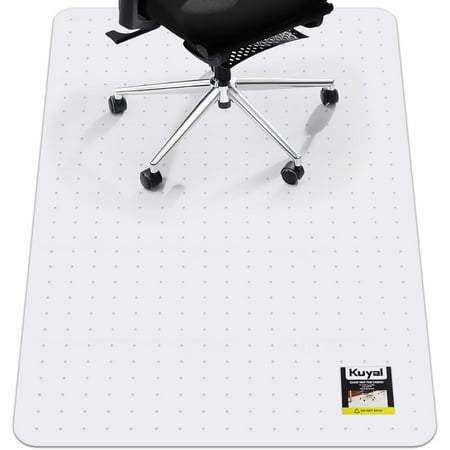
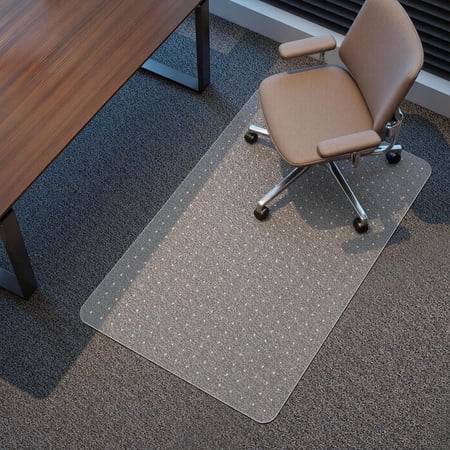
- ✔️ Use a chair mat if on carpet to reduce rolling resistance and prolong caster life.
Frequently Asked Questions About Heavy Duty Office Chairs for Large Persons
Conclusion: Invest in Strength, Comfort, and Longevity
Choosing a heavy duty office chair for a large person is about more than just avoiding structural failure — it's about dignity, well-being, and sustained productivity. With the right combination of high weight capacity, spacious seating, and precision ergonomics, you transform your work environment into a supportive sanctuary. Never settle for chairs that compromise on safety or force you to squeeze into inadequate dimensions. Prioritize robust construction, verified certifications, and adjustability features tailored for larger body types. Your back, hips, and overall health will thank you for years to come.
Remember: a high-quality heavy duty chair is an investment in your daily performance. By following the selection guidelines in this guide and reviewing trusted products from the Walmart selection above, you’ll find the ideal partner for your office — one that stands up to the challenge while keeping you comfortable, focused, and confident.