
Your Complete Guide to Finding Ergonomic Office Chair Deals
Finding the perfect ergonomic office chair at the right price feels like discovering a hidden treasure—it requires patience, knowledge, and timing. With countless options flooding the market, distinguishing genuine value from marketing hype becomes increasingly challenging. According to the Bureau of Labor Statistics, the average American office worker spends 8.5 hours daily seated, making your chair choice one of the most important investments in your professional life.
Think of shopping for ergonomic chair deals like planning a major purchase for your home. You wouldn't buy the first refrigerator you see without comparing features, reading reviews, and waiting for seasonal sales. The same strategy applies to office seating. This comprehensive guide will transform you from a casual shopper into an informed buyer who recognizes true value when you see it.
💰 The Math Behind Smart Chair Investing
A quality ergonomic chair costing $300 that lasts 7 years costs approximately $0.12 per workday. Compare this to replacing a $100 budget chair every 18 months, which costs $0.22 daily—and that doesn't account for potential medical expenses from poor posture. Better chairs actually cost less over time while protecting your health.
Decoding Ergonomic Office Chair Deals: What Makes a True Bargain?
Not every discounted chair deserves your attention. The ergonomic chair market has exploded in recent years, with hundreds of brands competing for your wallet. Understanding what separates a genuine deal from a disguised compromise helps you make confident purchasing decisions.
• The Anatomy of a Quality Ergonomic Chair (Even on Sale)
Before hunting for deals, memorize these essential components that define true ergonomic seating. Think of them as the non-negotiable foundation—like ensuring a car has brakes before worrying about the stereo system.
- Adjustable Lumbar Support: The backbone of any ergonomic chair (pun intended). Look for chairs where the lumbar pad moves independently, not just fixed curves molded into the backrest. Studies from Cornell University's Ergonomics Web indicate that proper lumbar support reduces spinal disc pressure by up to 35%.
- Seat Depth Adjustment (Slide): This feature allows the seat pan to move forward or backward, accommodating different thigh lengths. When seated, you should have 2-3 finger widths of space between the seat edge and the back of your knees.
- Pneumatic Height Adjustment: Essential for aligning your eyes with the top third of your monitor. Standard range should accommodate seated heights from 16 to 21 inches.
- Tilt Tension Control: Allows you to adjust how much force is needed to recline. This prevents the chair from feeling either too stiff or like it's constantly trying to throw you backward.
- Breathable Backrest Material: Mesh backs promote airflow, preventing that sweaty-back feeling during long work sessions. High-quality mesh maintains tension without sagging over years of use.
When scanning ergonomic office chair deals, if a discounted model lacks any of these five features, it's likely a basic task chair marketed with the "ergonomic" label for buzzword appeal. Walk away and wait for a better offer.
• Seasonal Shopping Calendar: When to Strike for Maximum Savings
Timing your purchase strategically can save you 30-50% compared to buying at full price. Retailers follow predictable patterns when discounting office furniture. Here's your month-by-month deal-hunting guide:
January
New Year clearance and inventory refreshes. Retailers clear floor models and previous year's colors.
February
President's Day sales. First major holiday discount of the year.
May
Memorial Day weekend. Spring cleaning sales on floor models.
July
Amazon Prime Day & competitor sales. Peak summer savings.
September
Labor Day clearance. Back-to-business inventory reduction.
November
Black Friday & Cyber Monday. Deepest discounts of the year.
Pro Tip: Sign up for newsletters from major office furniture retailers 2-3 months before your target purchase date. Many offer exclusive early-access codes to subscribers, giving you first dibs on limited-quantity deals before they sell out to the general public.
• Price Tiers: Understanding What Each Budget Level Delivers
When browsing ergonomic office chair deals, recognize which features realistically appear at each price point. This prevents disappointment and helps you spot truly exceptional offers.
Entry-Level Deals ($80-$150): Basic adjustable height, fixed lumbar (often just a curve in the plastic), limited tilt, fabric or basic mesh. Best for guest rooms, part-time home offices, or students. Expect 1-3 year lifespan with daily use.
Mid-Range Deals ($150-$350): Adjustable lumbar (height only typically), seat depth adjustment on better models, 2D or 3D armrests, quality mesh backs, pneumatic lift with wider range. This is the sweet spot for most full-time workers. Expect 5-7 year durability.
Premium Deals ($350-$700): 4D armrests (height, width, depth, pivot), independent backrest and seat adjustments, synchronized tilt mechanisms, premium materials (mesh, fabric, or leather hybrids), longer warranties (5-12 years). These chairs rival commercial-grade quality at residential prices.
• Red Flags: When "Deals" Aren't Really Deals
The office chair market has its share of deceptive pricing tactics. Here's what to watch for when hunting ergonomic office chair deals:
- Inflated MSRP Games: Some brands list unrealistic "original prices" ($1,200) then perpetually sell at $300, claiming 75% off. Research the brand's actual market position before celebrating.
- Missing Adjustment Mechanisms: A chair labeled "ergonomic" should have visible adjustment levers or knobs. If the only adjustment is height, you're buying a basic chair with fancy marketing.
- Short Warranty Periods: Quality ergonomic chairs come with minimum 3-5 year warranties. Anything less suggests the manufacturer lacks confidence in their materials.
- Vague Return Policies: Genuine comfort requires testing. Reputable sellers offer 30-day return windows. Be wary of "final sale" or restocking fee policies exceeding 15%.
• Online vs. In-Store Shopping: Where Deals Actually Exist
Both channels offer unique advantages for deal seekers. Online retailers like Walmart.com, Amazon, and specialized furniture sites often have wider selection and algorithmic discounts. Physical stores like Office Depot or Staples occasionally offer clearance on floor models at 50-70% off—though selection is limited to whatever's in stock locally.
The hybrid approach: Research models online, read verified reviews, then check local stores for price matching or floor model availability. Some retailers offer online pricing even on in-store purchases if you show them the website on your phone.
• Refurbished and Open-Box: The Hidden Deal Category
For premium brands like Herman Miller, Steelcase, or Haworth, refurbished chairs offer exceptional value. These are typically lease returns from corporate offices, professionally cleaned, reconditioned, and sold at 40-60% below retail. Reputable refurbishers offer warranties of 1-5 years on these chairs.
Open-box deals from retailers like Amazon Warehouse or Walmart Clearance represent returned items in like-new condition. These can save 20-30% with the same return policy as new items. The risk is minimal when buying from established platforms with buyer protection.
Matching Deals to Your Body Type and Work Style
A great deal on the wrong chair is still wasted money. Consider these factors when evaluating ergonomic office chair deals:
• For Petite Users (Under 5'4")
Prioritize chairs with seat depth adjustment and lower minimum seat height (16 inches or below). Many standard chairs are designed for average male proportions, leaving smaller users with improper thigh support. Look for brands offering "small" or "petite" sizing options in their lineup.
• For Tall Users (Over 6'0")
Focus on chairs with taller backrests (22 inches+ from seat to top) and higher maximum seat height (20-21 inches). Headrests become more valuable for taller users to support the neck during reclined periods. Check weight capacities carefully—taller individuals often need higher weight ratings for stability.
• For Plus-Size Users
Seek chairs explicitly rated for 300-500 pounds with wider seat pans (22 inches+). Standard chairs often feel narrow and have insufficient cushion density. The extra cost for properly rated chairs is non-negotiable—standard chairs will fail quickly under higher loads.
• For Multi-Taskers
If your work involves switching between typing, phone calls, and meetings, prioritize chairs with synchro-tilt mechanisms that keep your feet planted while allowing upper body movement. 4D armrests become essential for finding comfortable positions across different tasks.
Frequently Asked Questions About Ergonomic Office Chair Deals
Final Thoughts: Smart Shopping for Long-Term Comfort
Finding exceptional ergonomic office chair deals combines patience with knowledge. The perfect chair at the perfect price exists—it just requires waiting for the right moment while understanding exactly what features your body needs. Remember that the cheapest price isn't always the best value. A $300 chair that properly supports your posture for 8 years costs less annually than three $100 chairs that leave you with back pain and need replacement every 18 months.
Your Action Plan: List your must-have ergonomic features based on your body type and work habits. Set price alerts on 3-5 models that meet your criteria. Monitor prices during the seasonal windows we discussed. When a genuine deal appears on a chair that truly fits your needs, pull the trigger confidently knowing you've done your homework.
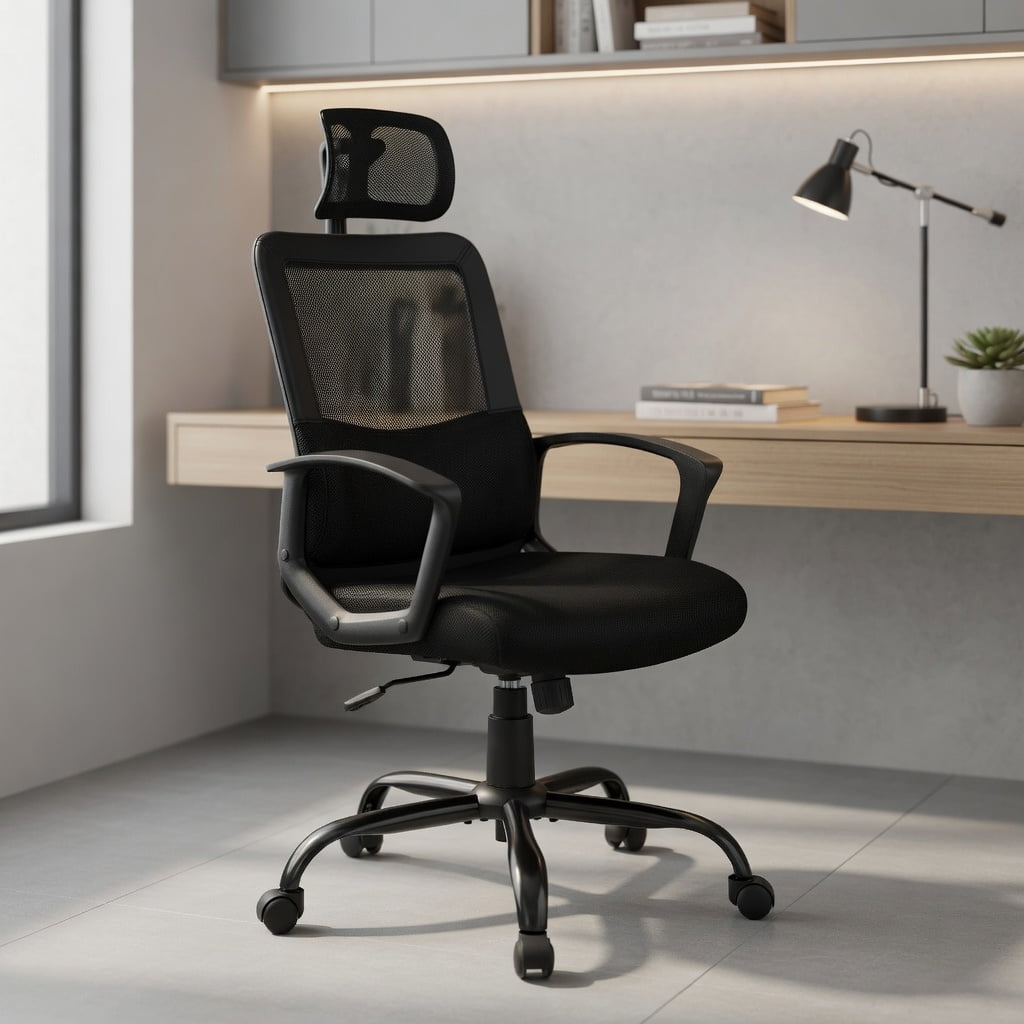
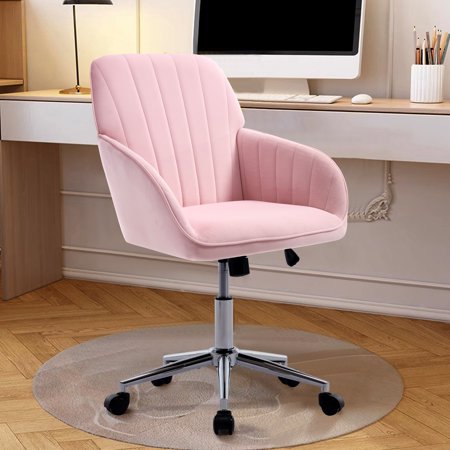
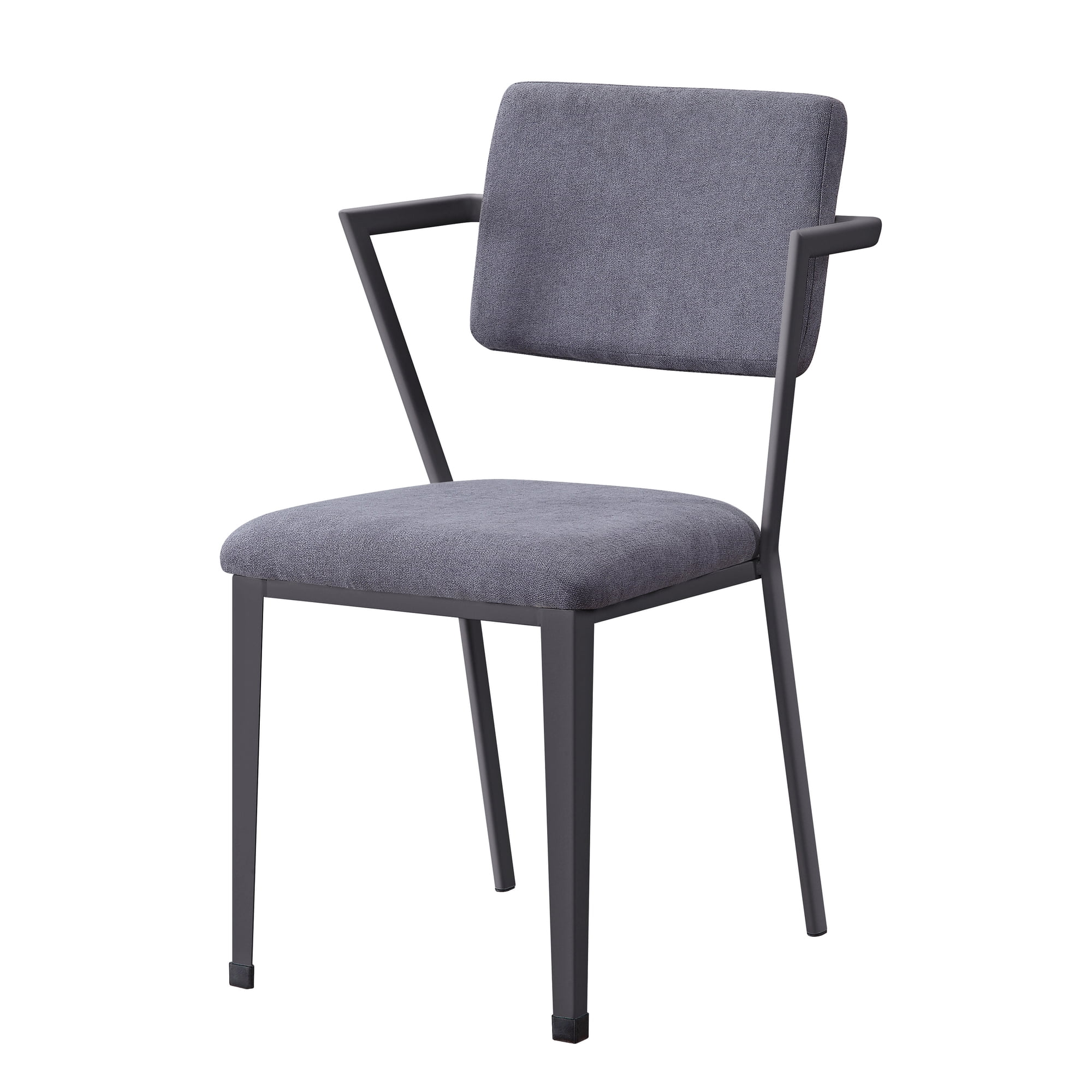
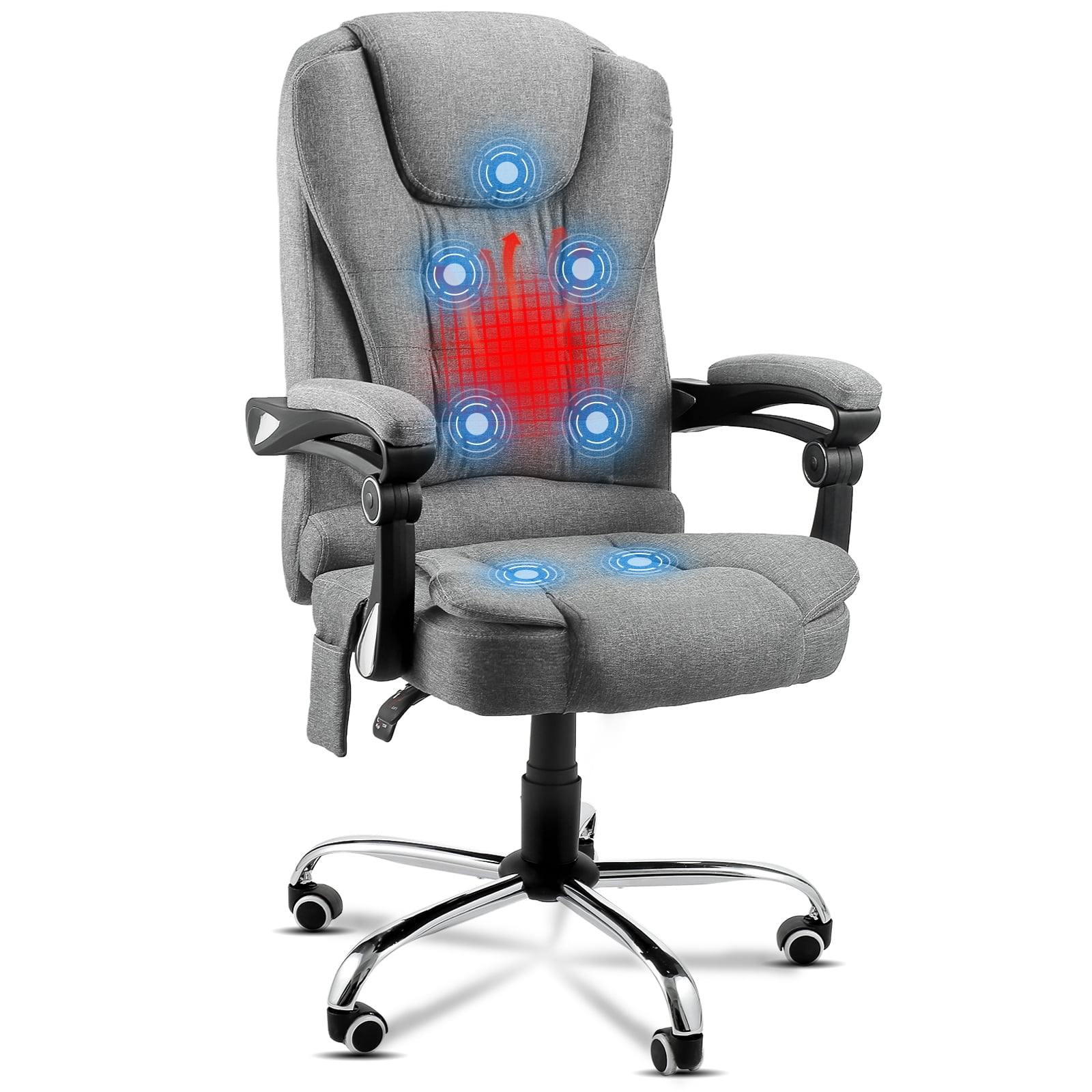
The chairs featured above represent current top-rated ergonomic office chair deals available through our Walmart partnership. Prices and availability change frequently, so check back regularly or sign up for our newsletter to receive notifications when new deals drop. Your comfort is worth the investment—and with smart shopping, that investment costs less than you think.