
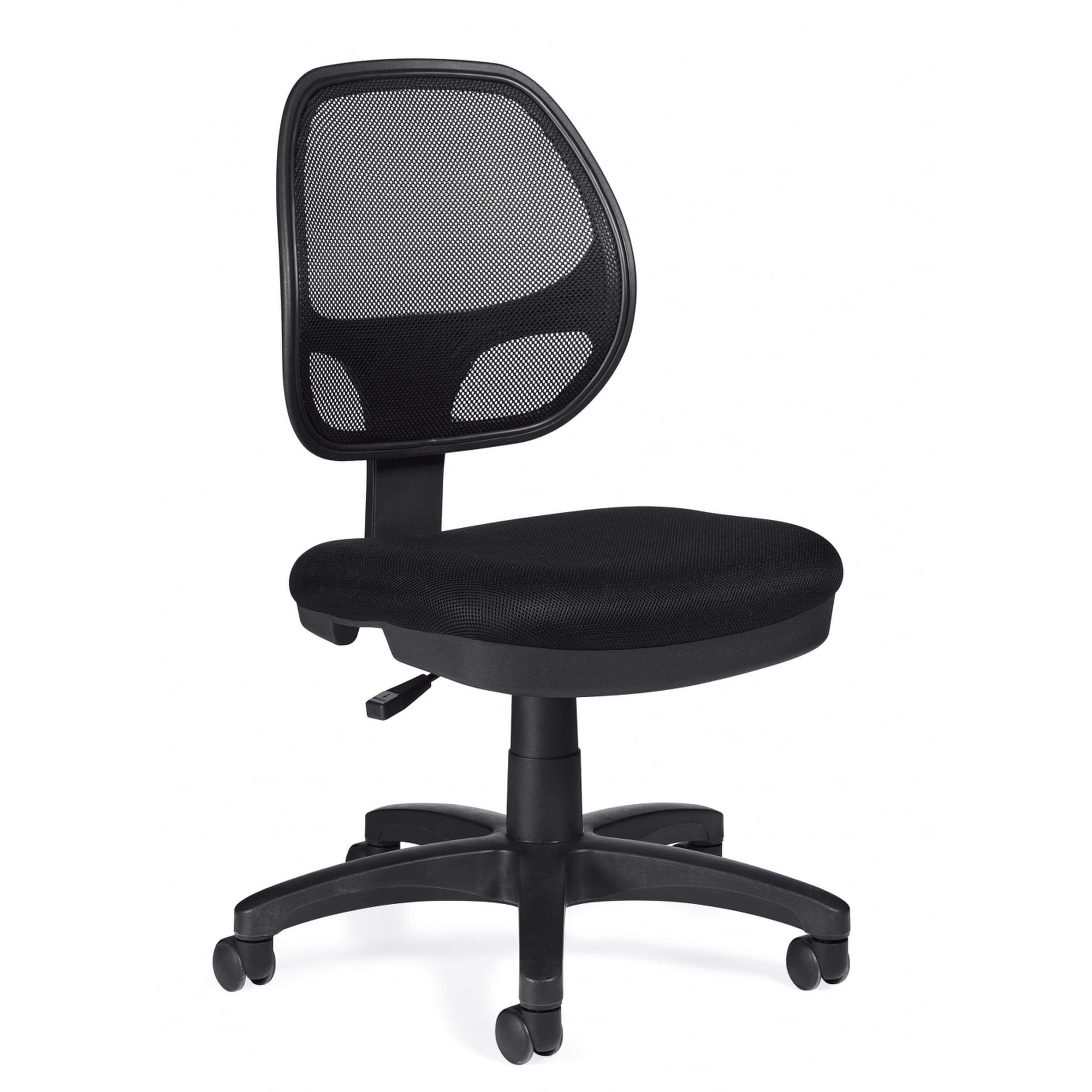
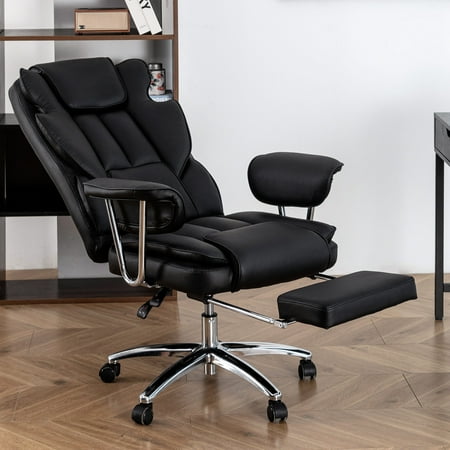
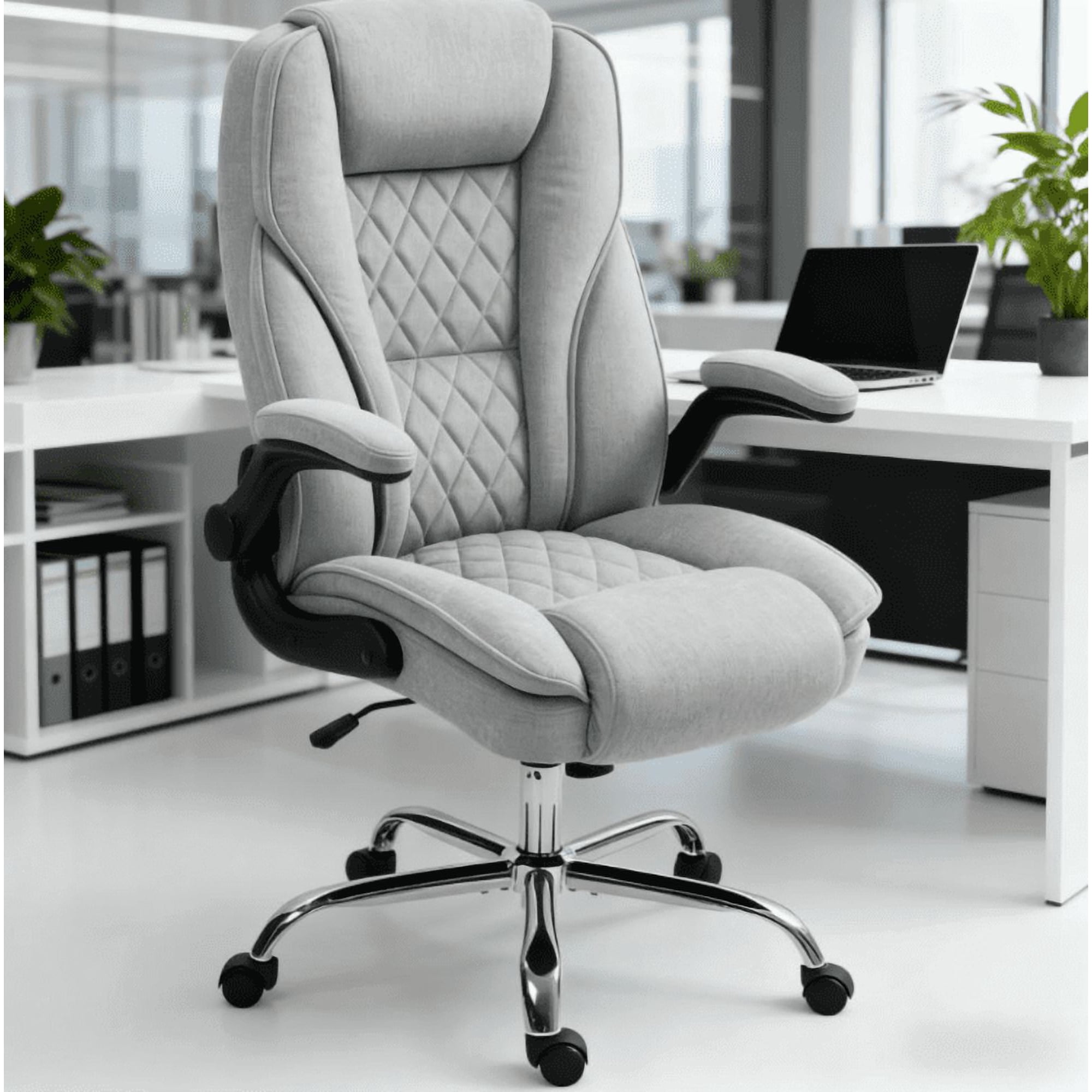

Why “Ergonomic Affordable Office Chairs” Is the Smartest Investment
Imagine finding a chair that feels like it was custom-made for your spine yet fits comfortably into your budget. That’s the promise of today’s ergonomic affordable office chairs. The market has evolved: quality ergonomics are no longer reserved for high-end executive suites. Manufacturers now deliver adjustable lumbar support, breathable mesh, and durable mechanics at prices that make sense for remote workers, small business owners, and anyone who spends hours at a desk.
Did you know? A 2023 ergonomics study revealed that 68% of employees who switched to a properly supportive chair under $300 reported reduced back strain within two weeks. Prioritizing affordability doesn’t mean sacrificing health — it means knowing which features deliver real value.
This guide dives into the anatomy of budget-friendly ergonomic chairs, highlights features that matter most, and helps you avoid common pitfalls. Whether you are equipping a home office or upgrading a corporate cubicle, the right affordable ergonomic chair boosts productivity and prevents fatigue without draining your wallet.
What Makes a Chair “Ergonomic” and Still Affordable?
Ergonomics is the science of designing products to fit the human body. In office chairs, this translates to adjustable elements that support natural posture. But not every expensive chair is truly ergonomic, and many moderately priced models now incorporate the essentials. Below are the non-negotiable features that define an ergonomic chair, regardless of price tag:
- Adjustable Seat Height: Allows feet to rest flat on the floor, thighs parallel to ground. Pneumatic gas lifts are standard in affordable models.
- Lumbar Support (Fixed or Adjustable): A curved backrest that fills the lower spine gap. Some budget chairs offer a sliding or rotating lumbar knob — a huge plus.
- Seat Depth and Width: Adequate depth (16–19 inches) to support thighs without pressing behind knees. Wider seats accommodate various body types.
- Tilt Mechanism with Tension Control: Reclining ability that relieves pressure on the discs. Look for tilt-lock functions even in lower-priced chairs.
- Breathable Materials: Mesh backs or perforated fabric prevent heat buildup, increasing comfort during extended use.
💡 Pro Tip: You don’t need a headrest or 4D armrests to enjoy ergonomic benefits. Prioritize adjustable lumbar, seat height, and back angle first. Those core features drive 80% of the comfort and health advantages.
Price Tiers: How to Get the Most Ergonomic Value
When shopping for ergonomic affordable office chairs, understanding the price-to-feature ratio helps you decide where to invest. The market generally segments into three tiers for ergonomic seating under $500:
$100 – $180
Basic height adjustment, fixed armrests, medium padding, simple lumbar contour.
$200 – $350
Mesh back, adjustable lumbar, 3D armrests, higher weight capacity (250–300 lbs), tilt lock.
$360 – $500
Fully adjustable mechanisms, premium foam seat, robust frame, extended warranty, often includes headrest.
According to office furniture analysts, the sweet spot for affordable ergonomic office chairs lies between $220 and $320. At this level, manufacturers incorporate reliable gas lifts, contoured mesh backs, and user-friendly adjustability that rival $800+ chairs from a decade ago.
Top Materials for Budget Ergonomic Chairs: Mesh, Fabric, or Hybrid?
Material selection impacts both cost and comfort. Here’s a quick guide to help you choose:
For the majority of users, a mesh-back ergonomic chair with a padded fabric seat delivers the best balance of affordability, ergonomics, and longevity. The flexible backrest also encourages micro-movements that keep your core engaged throughout the day.
Health & Productivity Benefits of Budget-Friendly Ergonomic Seating
It’s a myth that only luxury chairs can improve wellbeing. Affordable ergonomic chairs, when chosen wisely, produce measurable benefits:
Reduced Musculoskeletal Complaints
Adjustable lumbar and seat height reduce strain on lower back and shoulders, decreasing absenteeism.
Better Focus & Output
Comfort minimizes fidgeting; a 2022 survey showed 55% improvement in concentration after switching to an ergonomic chair under $250.
Long-Term Spinal Health
Maintaining a neutral posture reduces disc degeneration risk, even with budget models that offer proper lumbar curves.
Moreover, modern affordable ergonomic chairs undergo rigorous BIFMA testing for durability. You don’t have to sacrifice reliability just because you’re on a budget.
Assembly, Warranty, and Customer Support: Hidden Value Factors
When comparing ergonomic affordable office chairs, pay attention to warranty coverage and ease of assembly. Most reputable brands offer at least a 2-year warranty on mechanisms and a 5-year limited warranty on frames. Some budget-focused direct-to-consumer brands now provide 3–5 year coverage, signaling confidence in build quality.
- Check the return policy: A 30-day risk-free trial is ideal for testing comfort at home.
- Assembly time: Chairs that require more than 30 minutes might have overly complex instructions — look for pre-assembled seats or simpler designs.
- Replacement parts availability: Brands that sell individual gas lifts or casters extend the chair’s usable life.
By considering these factors, you transform an “affordable” purchase into a long-term investment in your workspace wellness.