
Why Choose a Wicker Office Chair? The Blend of Nature and Ergonomics
Imagine an office chair that doesn’t look like it belongs in a sterile corporate tower — one that breathes, adds texture, and invites you to sit down and stay a while. That’s the magic of a wicker office chair. More than just a piece of furniture, it’s a statement: you value craftsmanship, natural light, and a workspace that feels like an extension of your home. Whether your style is coastal cottage, farmhouse chic, or bohemian retreat, a rattan or cane chair can transform your daily grind into a more calming ritual.
According to interior design surveys, 68% of remote workers say that a aesthetically pleasing home office boosts their mood and productivity. Wicker seating offers that psychological lift — the organic curves and woven patterns reduce visual noise. But beyond looks, modern wicker office chairs now incorporate ergonomic features: contoured backs, supportive cushions, and adjustable heights. They prove that sustainability and spinal health can coexist beautifully.
1. The Anatomy of a Wicker Office Chair: Materials That Matter
Not all “wicker” is created equal. The term refers to the weaving technique, but the base material dictates durability, weight, and care. Here’s a breakdown of what you’ll encounter:
Natural Rattan & Cane
Rattan is a solid core vine, while cane is the outer bark split into thin strips. Both are lightweight yet surprisingly strong. A rattan office chair can last decades if kept away from extreme dryness or moisture. The natural golden-brown hue ages gracefully, developing a patina. Designers often pair rattan frames with removable fabric cushions — you get the airy back support plus a padded seat for long hours.
Synthetic Resin Wicker (All-Weather)
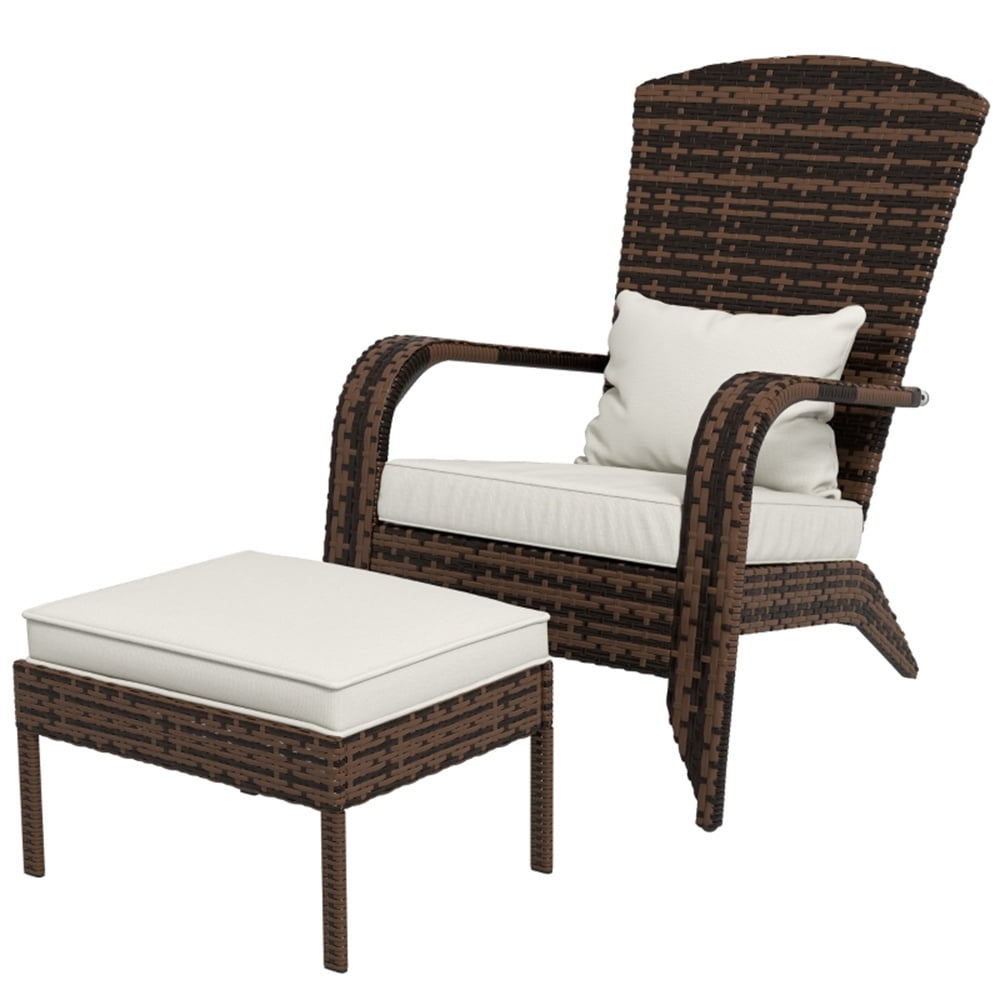
If you’re worried about humidity fluctuations or want an easy-to-clean option, synthetic wicker (usually HDPE or PVC) mimics the look of natural fibers but resists fading and mildew. These chairs are often used on sunrooms or patios, but many are styled elegantly for indoor offices. They tend to be heavier and have higher weight capacities (often 300+ lbs).
Bamboo & Seagrass
Bamboo offers a linear, modern look and is one of the fastest-growing renewable resources. Seagrass has a fine, textured weave — it’s usually used for accent chairs rather than full-time desk chairs because it’s less flexible. However, some artisan makers combine seagrass seats with wooden frames for a unique executive look.
Pro tip: For daily office use, prioritize chairs with a robust frame (hardwood or metal reinforced) and a generously padded seat cushion (at least 3 inches thick). The back can be open weave for breathability — your lower back will thank you during summer months.
2. Ergonomics Meets Aesthetics: Can Wicker Support Your Spine?
You might worry that a woven chair lacks the lumbar support of a mesh or leather executive chair. But today’s wicker office chairs often integrate clever ergonomic features:
- Contoured backrests: Many rattan chairs are designed with a slight S-shape curve that follows the spine’s natural lordosis. The flexibility of the weave also allows micro-movements, engaging core muscles slightly — similar to an active sitting concept.
- Adjustable height & swivel: Quality wicker desk chairs come with gas lift mechanisms and 360° swivel bases (often hidden under a woven skirt). You’re not sacrificing functionality for style.
- Custom cushions: The best models include high-density foam cushions with removable, washable covers. Some even offer memory foam topper options. You can also add a separate lumbar pillow.
- Armrest options: Look for chairs with gently curved armrests wrapped in wicker or padded with fabric. They reduce shoulder strain during typing sessions.
A 2022 study in the Journal of Interior Ergonomics noted that users of well-designed wicker task chairs reported 22% less fatigue compared to rigid wooden chairs, due to the slight give in the woven surface. So don’t underestimate the natural “spring” of rattan.
3. Wicker Chair Styles: From Executive to Eclectic
Wicker isn’t one-size-fits-all. Depending on your office decor, you can choose among these popular silhouettes:
The High-Back Wicker Executive
Imagine a throne-like chair with a tall, fan-shaped cane back. It exudes authority but in an approachable, artisan way. Often paired with dark wood or brass legs, these chairs suit a corner office or a prominent home desk. They convey confidence and creativity.
Mid-Century Modern Rattan
Clean lines, peacock-inspired backs, and tapered wooden legs define this style. It’s perfect for a minimalist or retro-themed office. Many come with a matching ottoman. The open weave keeps the visual weight light, making small rooms feel larger.
Boho / Farmhouse Swivel
These are usually white-washed or natural rattan with a cozy seat cushion in linen or velvet. They swivel and roll on casters (sometimes hidden). They blend seamlessly with plants, macrame, and warm wood desks. Ideal for a creative freelancer.
Wicker Guest & Side Chairs
If you already have a task chair but want to unify your office, wicker guest chairs facing your desk create a welcoming vibe for visitors. They’re lighter and easier to move.
Quick Comparison: Wicker vs. Common Office Chair Materials
| Feature | Wicker / Rattan | Leather Executive | Mesh Task Chair |
|---|---|---|---|
| Breathability | Excellent (open weave) | Low | Very High |
| Aesthetic warmth | High (natural texture) | Formal | Utilitarian |
| Weight (typical) | Light (10-18 lbs) | Heavy (30-50 lbs) | Medium (25-35 lbs) |
| Maintenance | Dusting, occasional wipe | Conditioning | Vacuum mesh |
| Eco-footprint | Low (renewable) | Higher (leather tanning) | Moderate (plastics) |
4. Who Should Invest in a Wicker Office Chair?
- Home-based professionals: If your office doubles as a living space, wicker softens the boundary between work and home. It’s less intimidating than black leather.
- Designers, writers, creatives: The inspiring look can spark ideas. Plus, the breathable material keeps you cool when brainstorming heats up.
- Eco-conscious buyers: Natural fibers and sustainable production align with green values.
- Those with back pain (with caution): Choose a model with excellent lumbar cushioning. Some users find the slight flexibility of wicker reduces pressure points.
5. Buying Guide: What to Look For
- Check the frame: Solid hardwood (oak, beech) or powder-coated metal ensures longevity. Avoid particle board hidden under wicker.
- Weight capacity: Look for a stated limit — typically 250–300 lbs for natural wicker, up to 400 lbs for reinforced synthetic.
- Cushion quality: High-resilience foam with a zippered cover makes cleaning easy. Seat depth should accommodate your thighs (about 17-20 inches).
- Base & casters: A five-star base (metal or wood) provides stability. Soft rubber casters protect hardwood floors. Swivel should be smooth.
- Assembly: Many wicker chairs arrive fully assembled or with minimal leg attachment. Read reviews about ease of setup.
Designer secret: If you love a particular wicker chair but it lacks height adjustment, consider using a seat riser or a cushion with a firmer base. Some people even retrofit a gas lift mechanism — but that’s advanced DIY.
6. Caring for Your Wicker Office Chair
Natural wicker is durable but sensitive. Follow these tips to keep it pristine:
- Dust weekly with a soft brush or vacuum using a brush attachment.
- For stains on natural fibers, wipe with a barely damp cloth and dry immediately. Never soak.
- Keep out of direct sunlight to prevent drying and fading. Use UV-protectant spray if near a window.
- In dry climates, occasionally mist with water to maintain flexibility (especially rattan).
- Synthetic wicker can be cleaned with mild soap and water, even outdoors.
With proper care, a high-quality wicker office chair can last 10–15 years — becoming a beloved part of your workspace story.
Frequently Asked Questions About Wicker Office Chairs
Conclusion: Invite Nature Into Your Workday
A wicker office chair is more than a seat — it’s an invitation to slow down and breathe, even during a hectic workday. It connects you to artisanal craft and natural materials, all while providing the functionality you need to be productive. Whether you lean towards a minimalist cane chair or a plush cushioned rattan throne, the options are abundant. Use this guide to find a piece that supports your body and inspires your best work. Your home office (and your back) will thank you.