
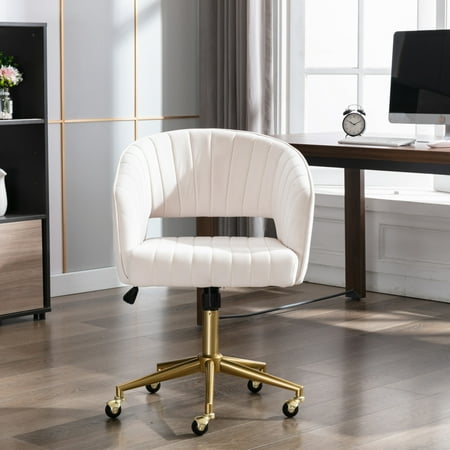
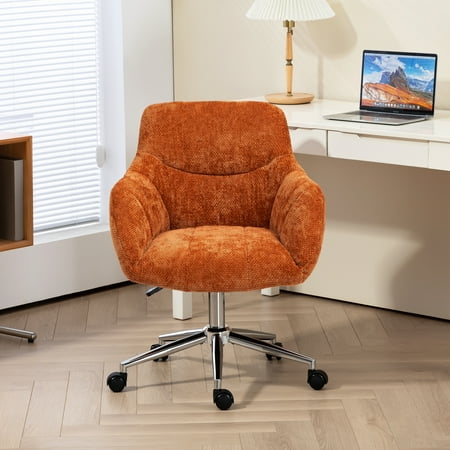
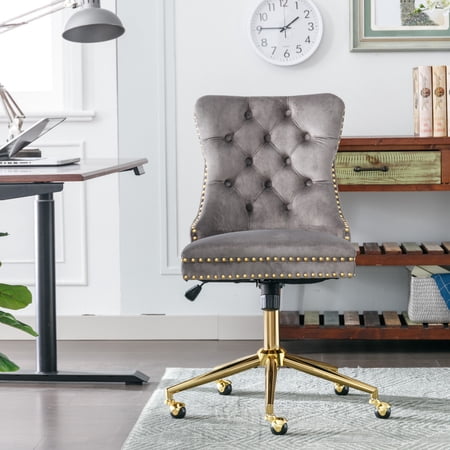
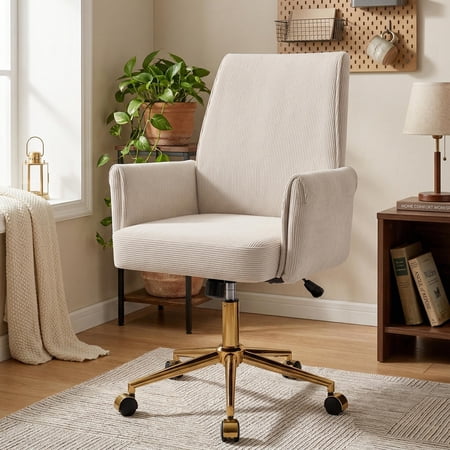
Why Choose an Upholstered Home Office Chair?
An upholstered home office chair is more than just a seat; it is a cornerstone of a productive and comfortable workspace. Unlike basic mesh or plastic chairs, an upholstered chair offers a superior level of comfort, aesthetic appeal, and long-term durability. It's an investment in your daily well-being and the professional look of your home office.
Imagine sinking into a chair that cradles your body, reducing pressure points and allowing you to focus entirely on your work. That's the promise of a quality upholstered chair. Whether you prefer the classic elegance of leather or the cozy warmth of fabric, these chairs are designed to make your workday more enjoyable and productive.
Insight: Studies show that comfort in the workplace can boost productivity by up to 20%. An upholstered chair provides the ergonomic support needed to maintain focus, reducing fatigue and the need for constant breaks due to discomfort.
Key Advantages of Upholstered Seating
Upholstered home office chairs come with a host of benefits that make them a popular choice for professionals and home workers alike:
- Superior Comfort: The plush padding and cushioning conform to your body, providing all-day comfort that reduces muscle fatigue and joint pain.
- Enhanced Aesthetics: Available in a vast array of fabrics, colors, and finishes, these chairs can complement any interior design style, from modern minimalist to classic traditional.
- Durability: High-quality upholstered chairs are built with robust frames and durable materials like top-grain leather or high-performance fabrics, ensuring they last for years.
- Noise Reduction: Unlike some mesh chairs that can creak or squeak over time, well-made upholstered chairs offer a quiet, smooth seating experience.
- Temperature Regulation: While leather can be temperature-sensitive, many modern fabrics are breathable and designed to keep you cool in summer and warm in winter.
Types of Upholstery Materials
Choosing the right material is crucial for both comfort and maintenance. Here's a breakdown of the most common upholstery options:
Fabric
Fabric upholstery is incredibly versatile, offering endless patterns, textures, and colors. It's soft, breathable, and often more affordable than leather. Look for performance fabrics with stain-resistant treatments for a home office environment.
- Pros: Wide variety, comfortable, breathable, cost-effective.
- Best For: Home offices where aesthetic variety and comfort are key.
Leather
Leather is the hallmark of luxury and durability. It's easy to clean, develops a beautiful patina over time, and exudes professionalism. Full-grain and top-grain leathers are the highest quality, offering unmatched longevity.
- Pros: Durable, easy to maintain, professional look.
- Cons: Can be expensive, may be temperature-sensitive.
Ergonomic Considerations for Your Upholstered Chair
While comfort is paramount, an upholstered chair must also support your posture. Look for these ergonomic features to ensure you're not sacrificing health for style:
- Adjustable Lumbar Support: Essential for maintaining the natural curve of your spine and preventing lower back pain. Ensure the support can be adjusted both in height and depth.
- Seat Depth and Height: Your feet should be flat on the floor, and your knees should be at a 90-degree angle. The ability to adjust seat depth is crucial for proper leg support.
- Armrest Adjustability: 4D armrests (adjustable in height, width, depth, and angle) allow you to rest your arms comfortably, reducing shoulder tension.
- Tilt Mechanism: A synchronous or multi-tilt mechanism allows the chair to recline with you, providing dynamic support and encouraging movement.
Choosing the Perfect Upholstered Chair for Your Space
Selecting the right upholstered home office chair involves more than just picking a pretty color. Follow this step-by-step guide to ensure your new chair perfectly fits your body, your work style, and your home decor.
Step 1: Assess Your Body and Space
- Measure Yourself: Note your height, weight, and torso length. This will help you determine the ideal seat height, backrest height, and width.
- Measure Your Desk: The chair's armrests must fit comfortably under your desk. Measure the height and width of your desk to ensure compatibility.
- Consider Your Room: Choose a color and material that complements your existing furniture and wall colors. A bold fabric can be a statement piece, while a neutral leather is timeless.
Step 2: Define Your Work Habits
How you use your chair should dictate its features.
Prioritize thick, high-density foam cushioning and advanced ergonomic adjustments.
A chair with a good recline and swivel can encourage dynamic thinking and movement.
Consider a chair with a high back and a headrest for a professional on-camera appearance.
Choose a chair with 4D armrests and a smooth rolling base for easy movement around your desk.
Step 3: Set Your Budget
An upholstered chair is a long-term investment. Here are the typical budget ranges:
Entry Level
Basic fabric chairs with limited adjustments. Good for occasional use or guest seating.
Mid-Range
Excellent balance of comfort, durability, and ergonomic features. Ideal for daily work.
Premium
High-end materials like top-grain leather and advanced ergonomics for maximum comfort and longevity.
Luxury
Customizable, premium materials with advanced technology and exceptional warranties.
Material Considerations: Fabric vs. Leather
The choice between fabric and leather upholstery is often a personal one, but understanding the pros and cons of each can help you make a more informed decision.
Fabric Upholstery
Advantages
- Variety: Available in a vast array of colors, patterns, and textures.
- Comfort: Soft, warm, and breathable, making it comfortable in most climates.
- Affordability: Generally more budget-friendly than leather, especially for high-quality options.
Limitations
- Stain Susceptibility: Can absorb spills and stains if not treated.
- Maintenance: Requires regular vacuuming and professional cleaning for deeper stains.
- Durability: High-quality fabric is durable, but lower-end options may show wear and pilling over time.
Leather Upholstery
Advantages
- Durability: Premium leather can last for 15+ years with proper care.
- Easy Maintenance: Easy to wipe clean, resistant to spills and stains.
- Professional Aesthetic: Conveys a sense of luxury, success, and timeless style.
Limitations
- Cost: High-quality leather can be significantly more expensive.
- Temperature Sensitivity: Can feel hot in summer and cold in winter.
- Care: Requires conditioning to prevent cracking and maintain its supple feel.
Frequently Asked Questions About Upholstered Home Office Chairs
Conclusion & Final Recommendations
Selecting the right upholstered home office chair is a strategic decision that blends comfort, style, and health. By considering your body type, work habits, and the available materials, you can find a chair that not only looks great but also supports your well-being for years to come.
Quick Selection Summary
Leather chairs offer timeless style and are incredibly durable. They are a perfect choice for a professional home office where first impressions matter.
Fabric chairs provide a cozy, warm feel with endless style options. They are ideal for creating a comfortable, inviting, and personalized workspace.
Regardless of material, prioritize chairs with adjustable lumbar support and seat depth. These features are crucial for long-term health and productivity.
Top Picks by User Profile
| User Profile | Recommended Material | Key Features to Look For | Budget Range |
|---|---|---|---|
| Full-Time Professional | Premium Fabric or Leather | High-density foam, adjustable lumbar, 4D armrests, 10+ year warranty | $500 - $1,200 |
| Creative & Design-Oriented | Performance Fabric | Wide color & pattern range, breathable, modern aesthetics | $400 - $900 |
| Budget-Conscious Worker | Quality Synthetic Fabric | Essential ergonomics, durable construction, good value | $200 - $450 |
| Executive & Leadership | Full-Grain Leather | High back, tufted design, advanced tilt, luxury finish | $1,000 - $2,500 |