
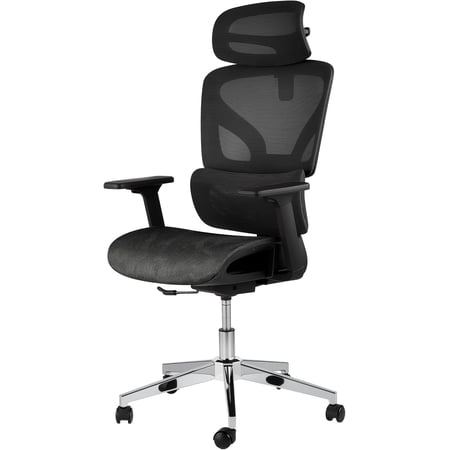
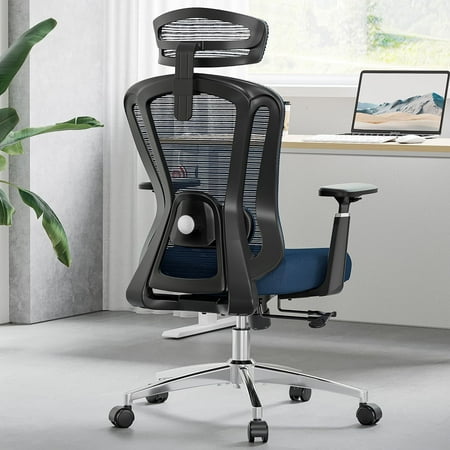
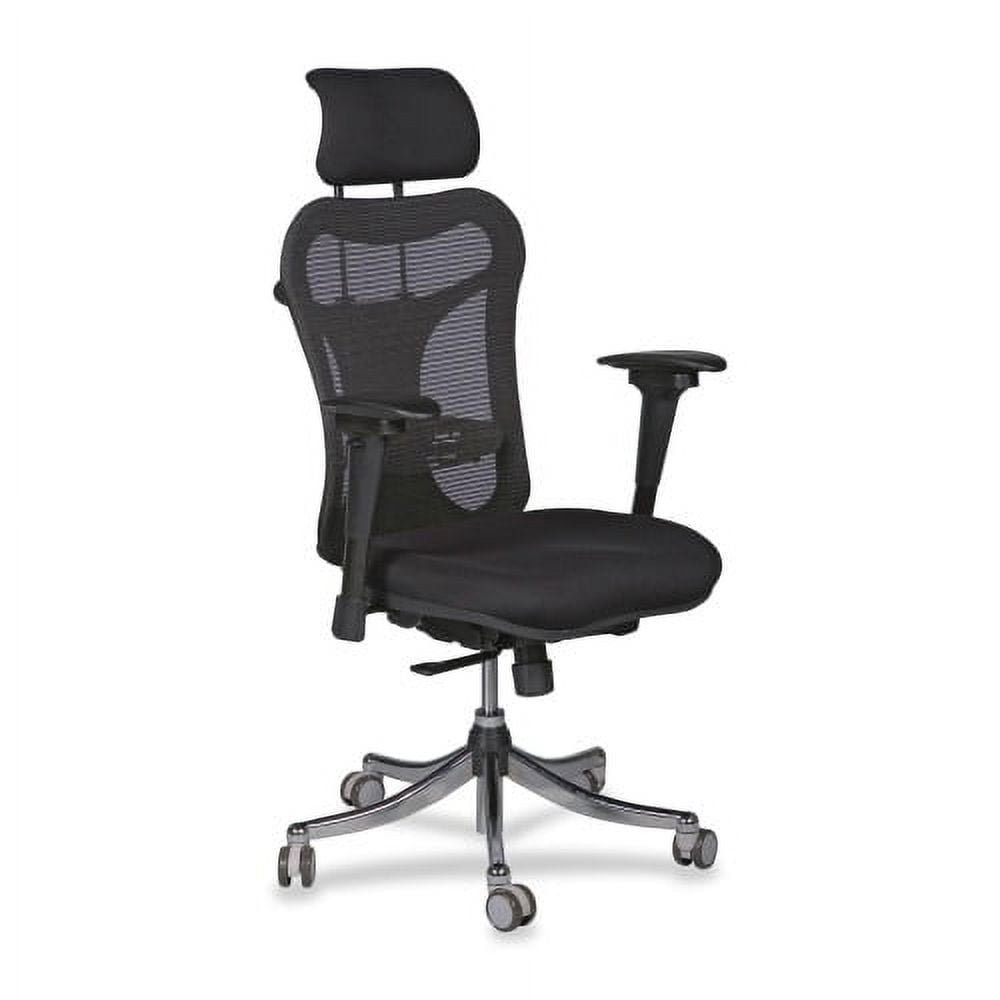
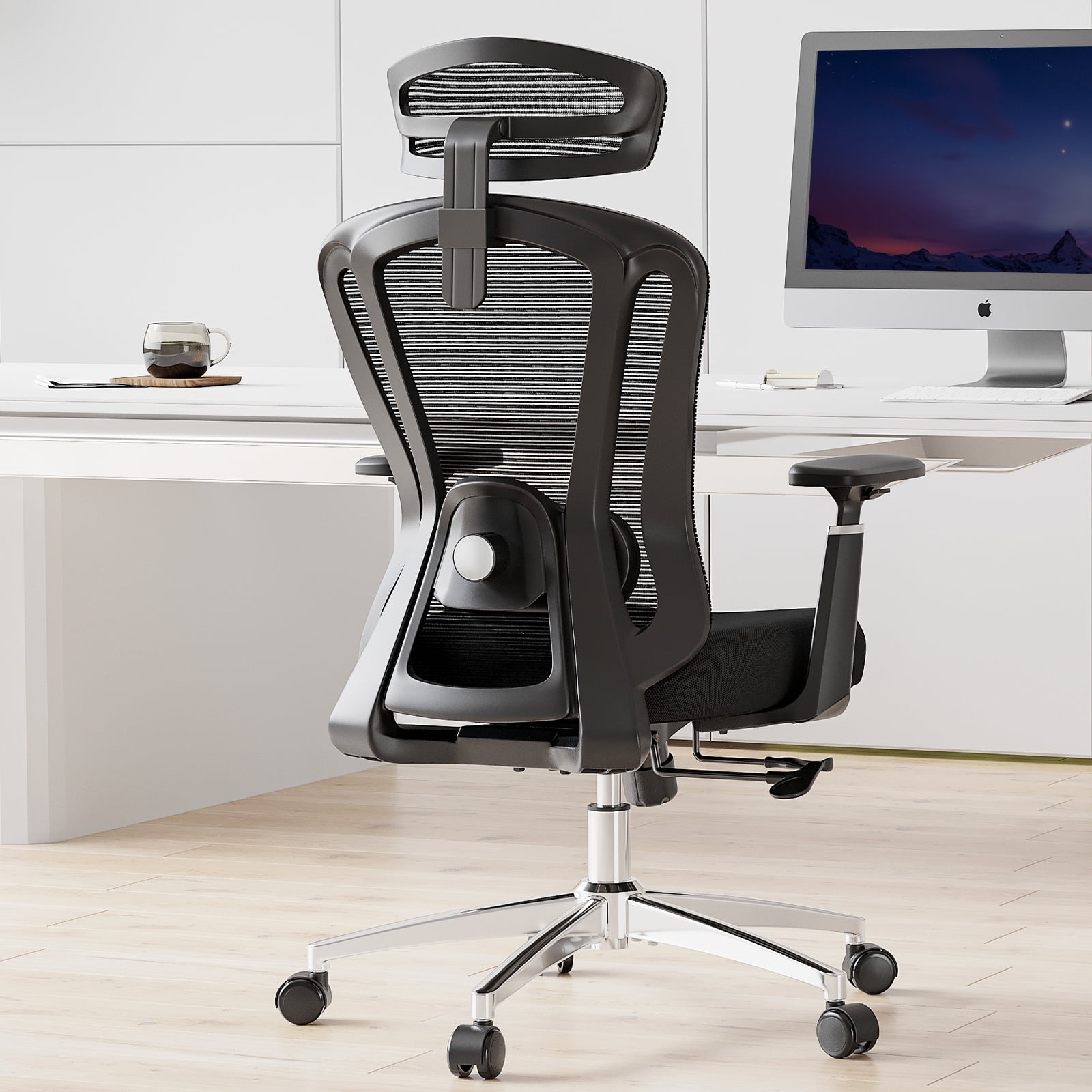
Why Seat Depth Matters for Your Comfort and Health
For millions of office workers, the standard one-size-fits-all office chair simply doesn't work. If you're on the shorter side or have a petite frame, you've likely experienced the frustration of a seat that's too deep. Your knees don't bend comfortably at the edge, your feet dangle, and you end up slouching to feel secure. This is where a short seat depth office chair becomes an essential tool for your workspace.
Ergonomic Insight: Proper seat depth allows you to sit with your back against the backrest while leaving 2-3 fingers of space between the front edge of the seat and the back of your knees. This position promotes healthy blood circulation and reduces pressure on your lower back.
The Hidden Costs of a Poorly Fitting Chair
Many people don't realize that sitting in a chair that's too deep can lead to chronic discomfort and long-term health issues. When your feet can't rest flat on the floor, your body compensates by leaning forward, which strains your lower back and neck muscles. Over time, this can contribute to:
- Lower back pain from poor lumbar support and slouched posture
- Knee and hip discomfort due to improper leg positioning
- Reduced circulation in your legs from pressure at the back of your knees
- Increased fatigue as your body works harder to maintain balance
- Decreased productivity from constant fidgeting and discomfort
What Exactly Is a Short Seat Depth Office Chair?
A short seat depth office chair typically features a seat depth of 15 to 17 inches, compared to the standard 18-20 inches found in most chairs. This seemingly small difference can completely transform your sitting experience. These chairs are designed with the petite user in mind, but they also benefit anyone who prefers a more compact, supportive seat.
Proper Posture Support
Encourages a neutral spine position and reduces the urge to slouch.
Enhanced Leg Comfort
Prevents pressure behind the knees, improving circulation.
Better Focus
Reduced discomfort means you can concentrate on your work.
Long-Term Health
Minimizes the risk of musculoskeletal issues over time.
Key Features to Look For
When shopping for a short seat depth office chair, consider these essential features:
| Feature | Why It Matters | What to Look For |
|---|---|---|
| Seat Depth | Directly affects thigh support and knee comfort | Adjustable depth (15-17 inches) or fixed short depth |
| Height Adjustment | Ensures feet rest flat on the floor | Pneumatic lift with a range suitable for shorter statures |
| Lumbar Support | Maintains the natural curve of your spine | Adjustable height and depth for personalized support |
| Armrests | Reduces shoulder and neck strain | 2D or 3D adjustable armrests |
| Material | Affects breathability and durability | High-quality mesh, fabric, or leather |
Short Seat Depth vs. Standard: A Comparison
Understanding the differences can help you make an informed decision. Here's how a short seat depth chair stacks up against a standard chair:
| Feature | Short Seat Depth Chair | Standard Office Chair |
|---|---|---|
| Seat Depth | 15-17 inches | 18-20 inches |
| Ideal User Height | Under 5'5" | 5'5" - 6'0" |
| Thigh Support | Full support for shorter legs | May cut into the back of knees for petite users |
| Foot Placement | Flat on floor with proper height | May need a footrest for smaller users |
| Posture | Encourages upright, neutral spine | May promote slouching if too deep |
Who Benefits Most from a Short Seat Depth Chair?
While anyone can appreciate a chair that fits well, certain individuals will find these chairs particularly beneficial:
- Petite professionals under 5'5" who struggle with standard seat depths
- Individuals with shorter thighs, regardless of overall height
- People who prefer a more compact seating experience
- Those with specific ergonomic needs requiring precise seat depth
- Office environments with multiple users where adjustability is key
Material and Build Quality for Short Seat Depth Chairs
The materials used in your short seat depth office chair affect its durability, comfort, and overall aesthetic. Here's a breakdown of common options:
Mesh
- Breathability: Excellent air circulation
- Comfort: Flexible support that conforms to your body
- Maintenance: Easy to clean with a damp cloth
- Best For: Warm climates and all-day use
Fabric
- Softness: Comfortable and cozy feel
- Variety: Wide range of colors and textures
- Durability: High-quality fabrics can last for years
- Best For: Traditional and modern office settings
Leather
- Premium Appearance: Professional and sleek look
- Durability: Long-lasting with proper care
- Easy to Clean: Wipes down easily
- Best For: Executive offices and formal settings
Combination
- Versatility: Mesh back with fabric or leather seat
- Breathability + Comfort: Best of both worlds
- Cost-Effective: Often more affordable than full leather
- Best For: Balanced comfort and durability
Ultimate Selection Guide for Short Seat Depth Office Chairs
Follow this step-by-step guide to choose the perfect short seat depth office chair for your needs:
Step 1: Measure Your Seat Depth Need
- Sit against a wall: Press your back flat against a wall.
- Measure the distance: From the wall to the back of your knees.
- Subtract 2-3 inches: This is your ideal seat depth.
- Look for chairs that match this measurement or are adjustable to it.
Step 2: Evaluate Your Workspace
Ensure the chair's height range matches your desk height.
If the lowest height is still too high, consider a footrest.
Consider the chair's base size and swivel range.
Choose a style that complements your office decor.
Step 3: Set a Realistic Budget
Invest in your comfort and health. Short seat depth chairs are available across various price points:
Entry Level
Basic ergonomic features, good for occasional use.
Mid-Range
Better materials, more adjustability, and longer warranty.
Premium
High-end materials, advanced ergonomics, and exceptional durability.
Luxury
Customizable options, top-tier materials, and premium craftsmanship.
Step 4: Test and Assess
Pro Tip: If possible, test the chair for at least 10-15 minutes. Pay attention to how your thighs feel, whether your back is fully supported, and if the armrests are at a comfortable height.
Frequently Asked Questions About Short Seat Depth Office Chairs
Conclusion: Invest in a Chair That Fits You
Your office chair is one of the most important investments you can make in your daily comfort and long-term health. A short seat depth office chair is not a luxury for petite individuals—it's a necessity. By choosing a chair that properly supports your thighs, maintains healthy posture, and allows your feet to rest flat, you're setting yourself up for a more productive, pain-free workday.
Final Recommendations
Prioritize adjustable seat depth and height. Look for a chair that offers a range of 15-17 inches.
Choose a chair with breathable mesh and strong lumbar support to prevent fatigue.
Focus on essential features: seat depth, height adjustment, and back support. Skip extra frills if they break the bank.
Remember, the best chair is the one that fits your unique body and work style. Don't settle for discomfort—explore the options available and find the perfect short seat depth office chair for you.