
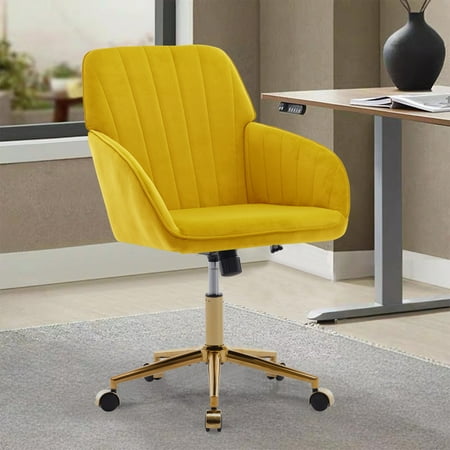
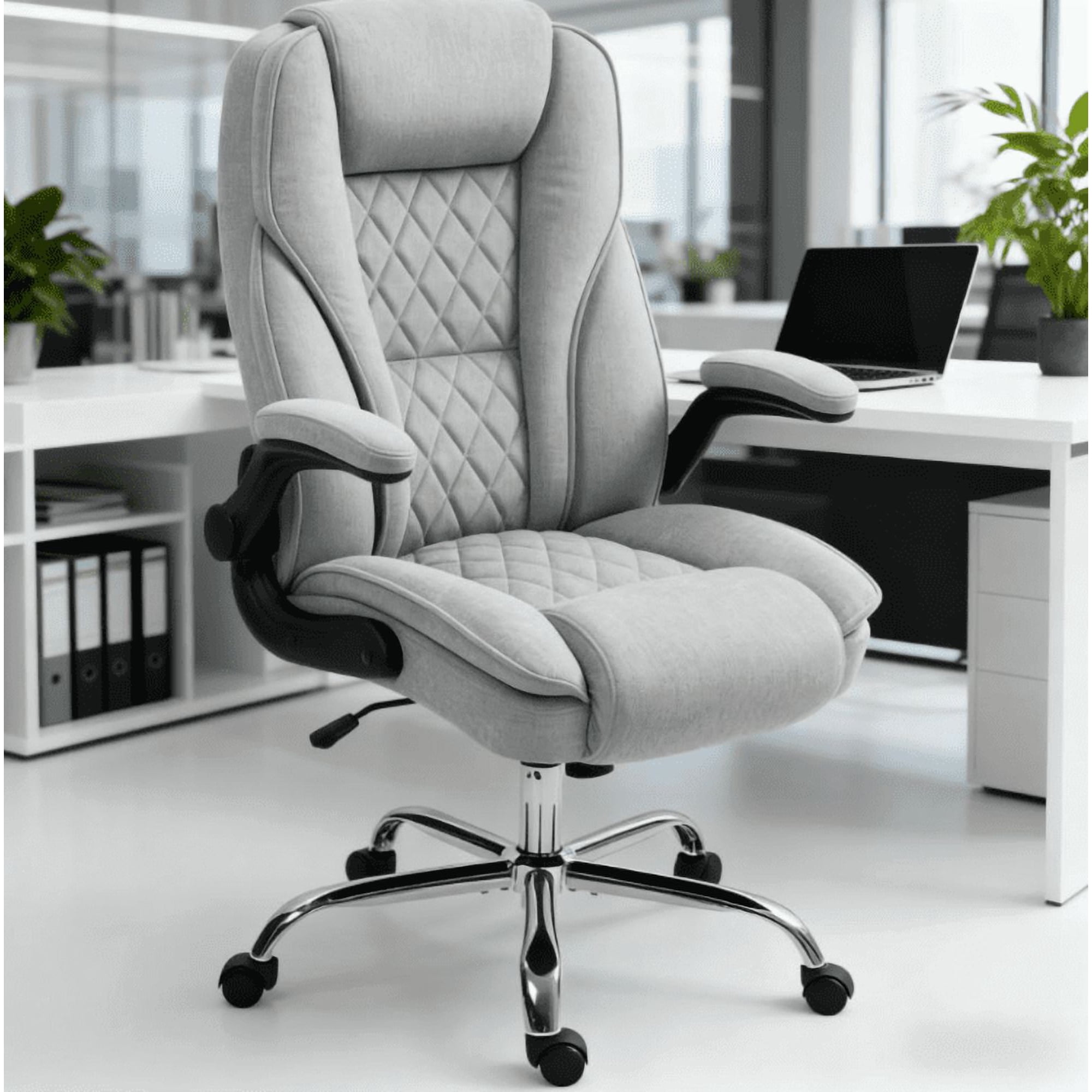
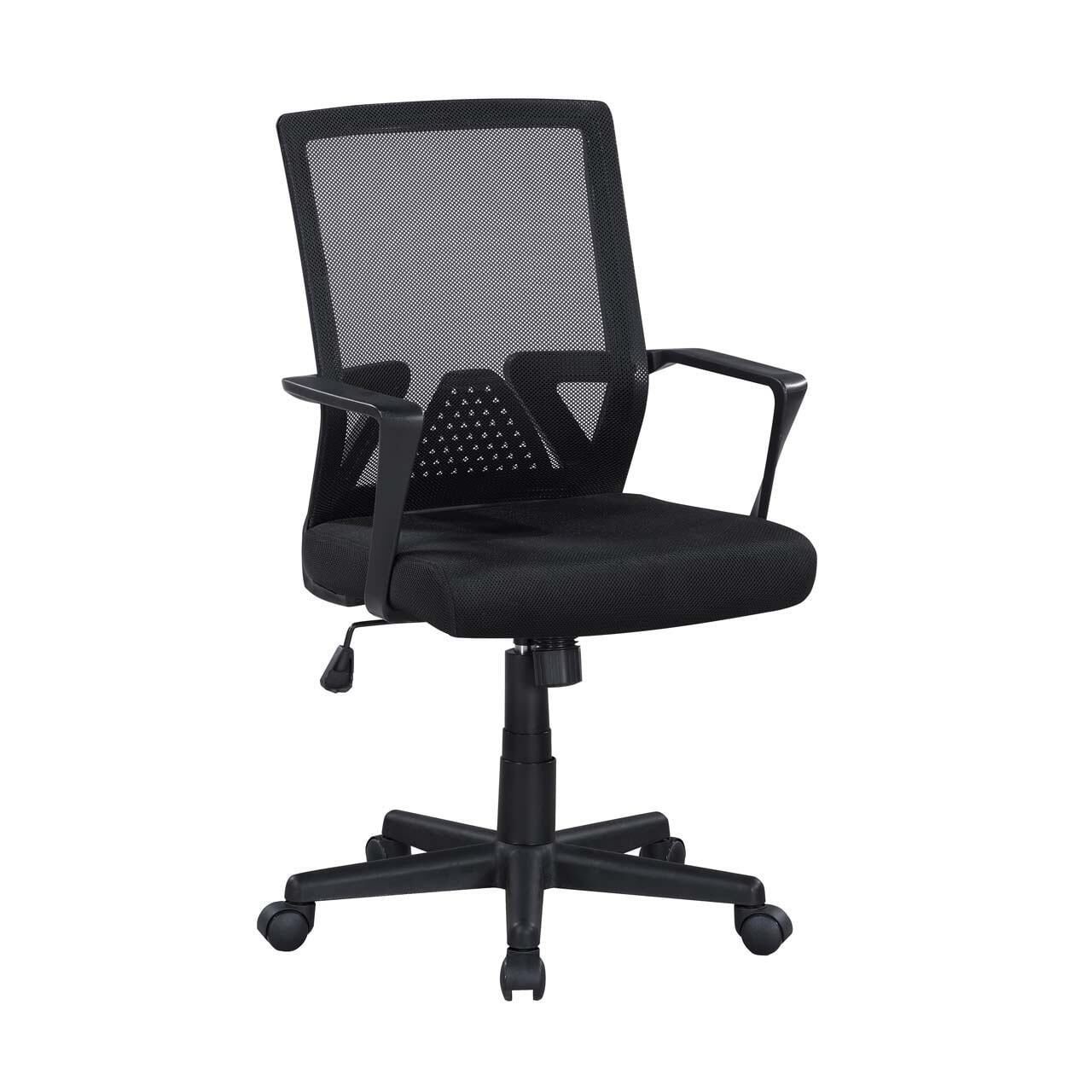
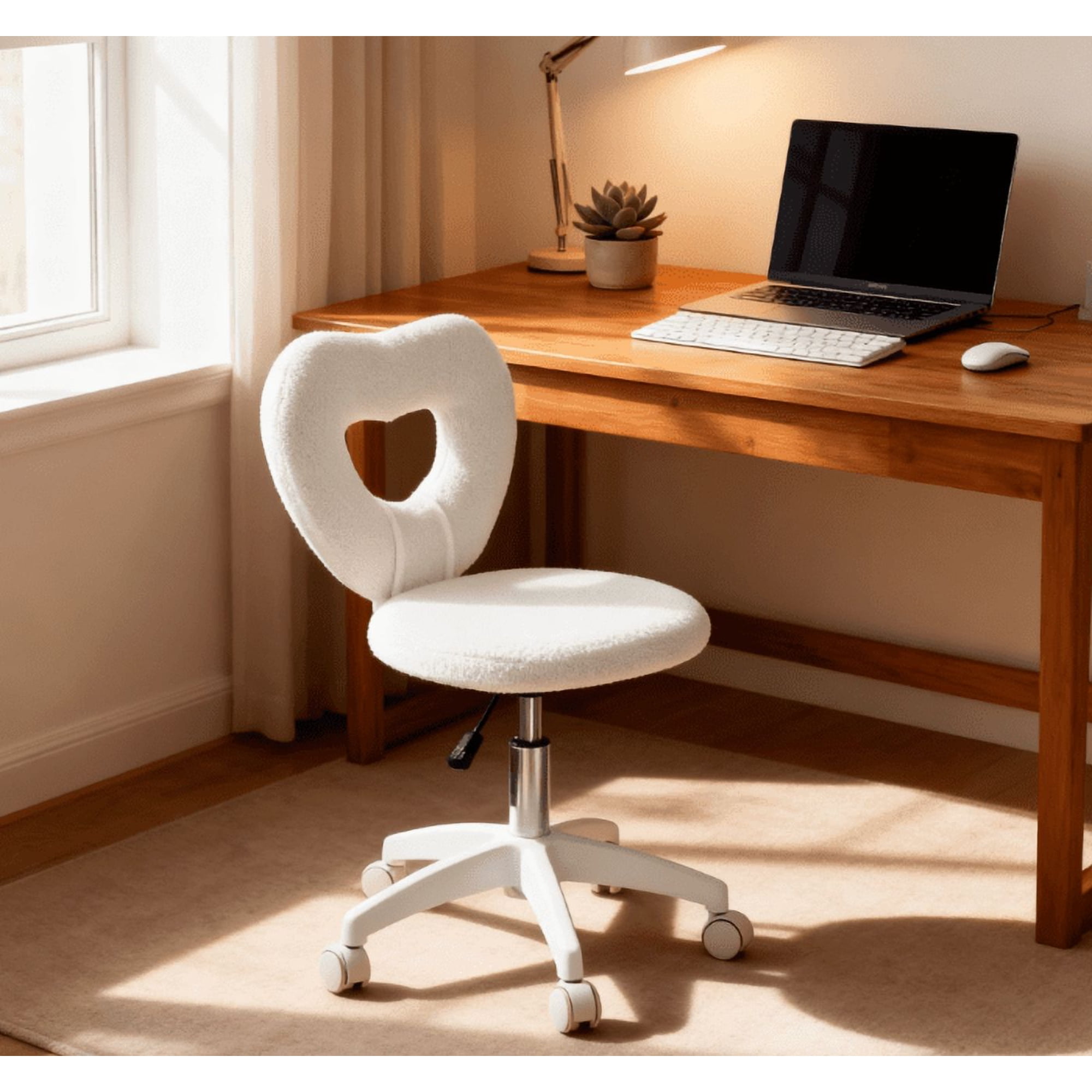
Why You Can't Afford to Ignore Office Chair Recommendations
Think of your office chair not as a piece of furniture, but as the chassis of a high-performance vehicle. If the chassis is misaligned, the engine (you) works harder, wears out faster, and eventually breaks down. The average person spends over 60,000 hours sitting at work in a lifetime. Relying on a poorly designed chair is like driving a car with a crooked frame—it leads to chronic discomfort, decreased productivity, and long-term health issues.
Navigating the market for a recommended office chair can feel overwhelming. Marketing buzzwords like "ergonomic," "mesh back," and "lumbar support" are thrown around carelessly. This guide cuts through the noise. We provide a clear framework based on ergonomic principles and real-world feedback to help you identify a chair that supports your body and enhances your workday, whether you're a remote worker, a CEO, or a creative professional.
The Productivity Link: A study from Texas A&M University found that employees using an ergonomic chair reported a 17.7% increase in productivity. Discomfort is a distraction; a recommended chair removes that barrier, allowing you to focus entirely on your tasks.
The Five Pillars of a Highly Recommended Office Chair
A chair earns our recommendation only if it excels across five fundamental categories. This framework ensures we evaluate chairs holistically, not just on one feature.
1. Ergonomic Adjustability
A one-size-fits-all chair fits no one perfectly. Look for:
- Seat Height: Pneumatic lift allowing feet flat on the floor.
- Seat Depth (Slider): Crucial for thigh support without pressure behind knees.
- Backrest Recline: With tension control and lockable positions.
- Armrests (4D): Adjustable up/down, forward/back, left/right, and pivot.
- Lumbar Support: Depth and height adjustable to fit your spine's curve.
2. Material & Breathability
The material dictates comfort and longevity.
- High-Quality Mesh: Best for airflow, preventing heat buildup. Recommended for long, continuous sitting.
- Performance Fabric: Durable, stain-resistant, and soft. A good middle-ground for comfort and breathability.
- Premium Leather: Offers a professional look and molds to your body over time, but requires a cooler environment.
3. Build Quality & Durability
This determines the chair's lifespan and safety.
- Base: A heavy-duty, five-point base made of aluminum or reinforced nylon.
- Gas Cylinder: A Class 3 or 4 cylinder (rated by TUV or SGS) for reliable height adjustment.
- Casters: Dual-wheel casters suitable for your floor type (hardwood or carpet).
- Warranty: A strong warranty (5+ years) is a direct signal of manufacturer confidence.
4. User-Specific Needs
Recommendations must be tailored.
- Petite Users: Need a smaller backrest and a seat depth that doesn't extend too far.
- Tall/Big Users: Require extra seat width, higher weight capacity (300-500 lbs), and taller backrests.
- Specific Conditions: Sciatica may require a waterfall edge seat; chronic back pain necessitates advanced lumbar systems.
How to Test a Chair Before You Buy (Even Online)
While sitting in a chair is best, you can perform a "virtual test" by checking detailed specifications and reviews.
- The Seat Depth Test: When sitting back, you should have 2-3 finger widths of space between the back of your knee and the seat edge. Check if the chair's seat pan depth range accommodates your thigh length.
- The Lumbar Check: The lumbar support should fit snugly into the curve of your lower back. Look for reviews mentioning if the support is too high or too low for average users.
- The Armrest Alignment: With arms relaxed at 90 degrees, your elbows should rest comfortably on the armrests. 4D armrests are a gold standard for achieving this perfect fit.
- The Recline Feel: The recline mechanism should support you smoothly. For online research, look for details on whether the chair has a synchronous mechanism (backrest and seat tilt together) for optimal posture.
🧠 Pro Tip: The "8-Hour" Test
A truly recommended chair is one you forget you're sitting in. Read long-term reviews (3-6 months of use) rather than unboxing impressions. Look for comments about pressure points, cushion breakdown, or mechanism squeaking over time. This separates a marketing gimmick from a durable workhorse.
Material Matters: Quick Reference for Buyers
| Material | Best For | Maintenance Level | Durability Expectation |
|---|---|---|---|
| Breathable Mesh | Warm climates, long hours, preventing sweat | Low (wipe with damp cloth) | 7-10 years (mesh may sag eventually) |
| Fabric (Polyester/Wool) | All-day comfort, soft feel, color variety | Medium (vacuum, spot clean) | 5-8 years (can show wear) |
| Leather (Genuine/Top-Grain) | Executive look, easy wipe-clean, molds to body | High (conditioning needed) | 10-15+ years (if maintained) |
| Faux Leather (PU/Vinyl) | Budget-friendly leather look | Low (wipes clean) | 3-5 years (prone to peeling) |
Frequently Asked Questions About Recommended Office Chairs
Final Verdict: Your Path to a Better Workday
Finding a recommended office chair is an investment in your most valuable asset: your health. It's not about finding a single "best" chair, but the best chair for you. Use the five-pillar framework—adjustability, materials, build quality, user fit, and budget—as your guide. Prioritize features that address your specific physical needs and work environment.
Remember, a chair is a tool. The right tool makes the job easier, more comfortable, and more efficient. We hope this guide illuminates your path to a more productive, pain-free work life. Start your search with our curated product grid above, and apply these principles to make a choice you'll be happy with for years to come.