
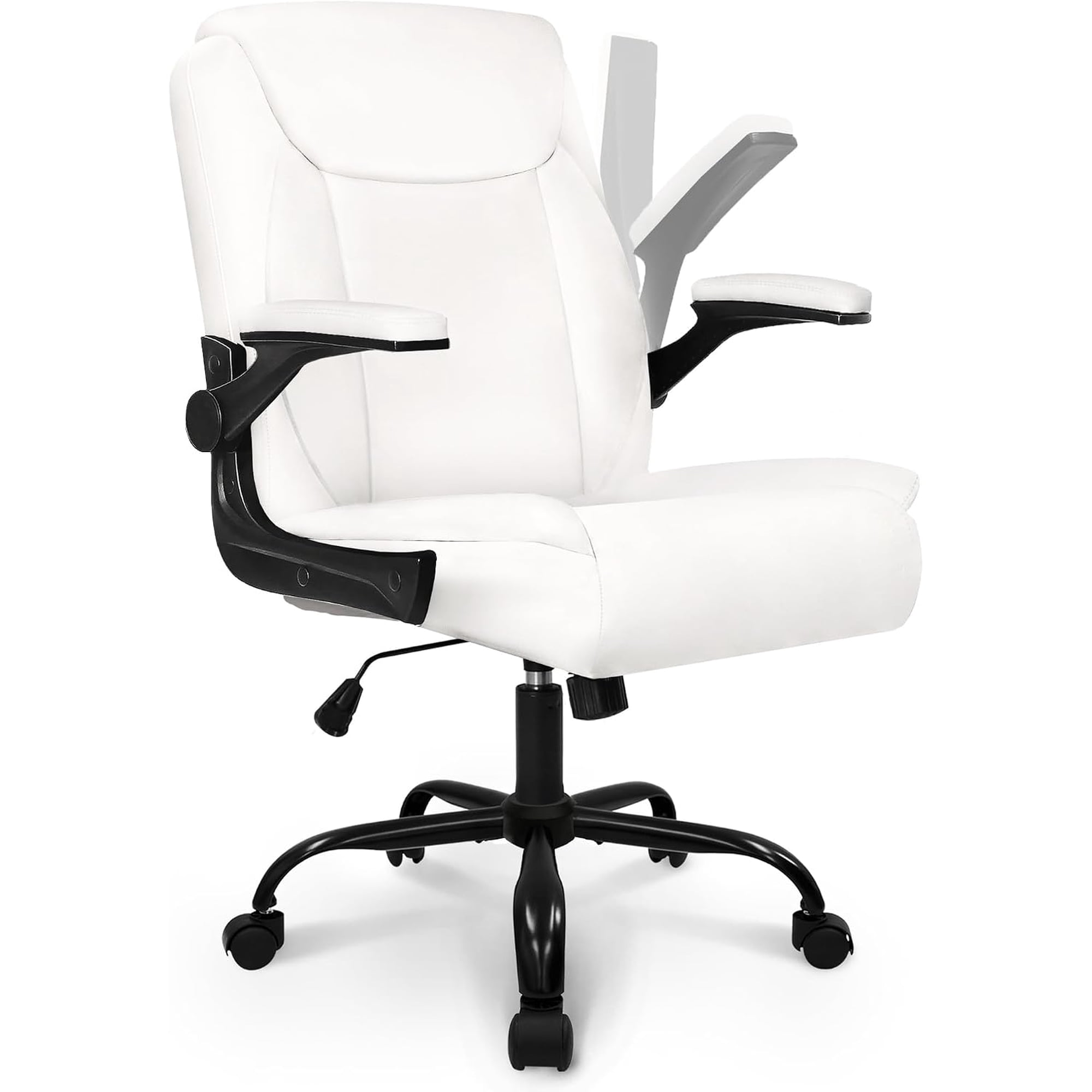
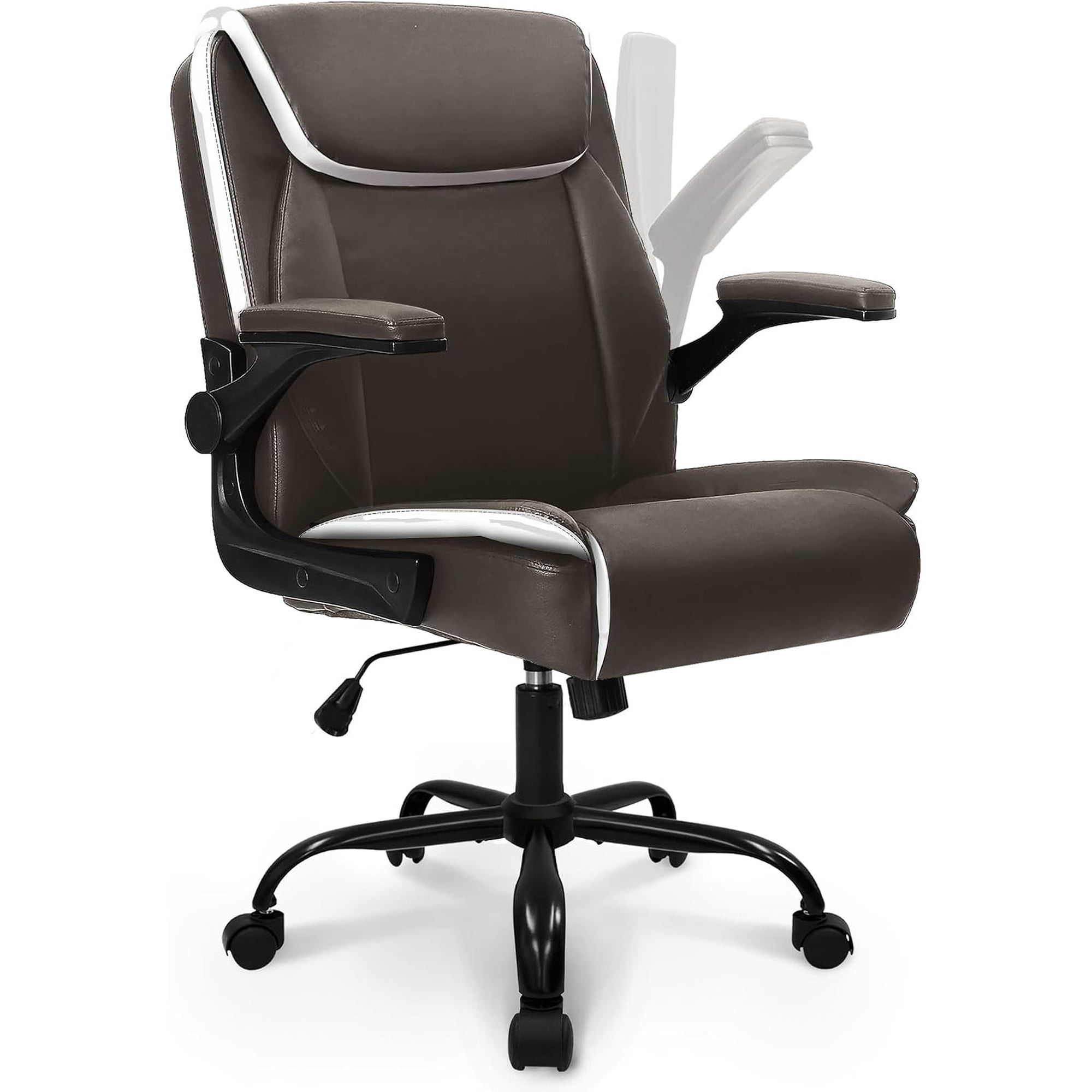
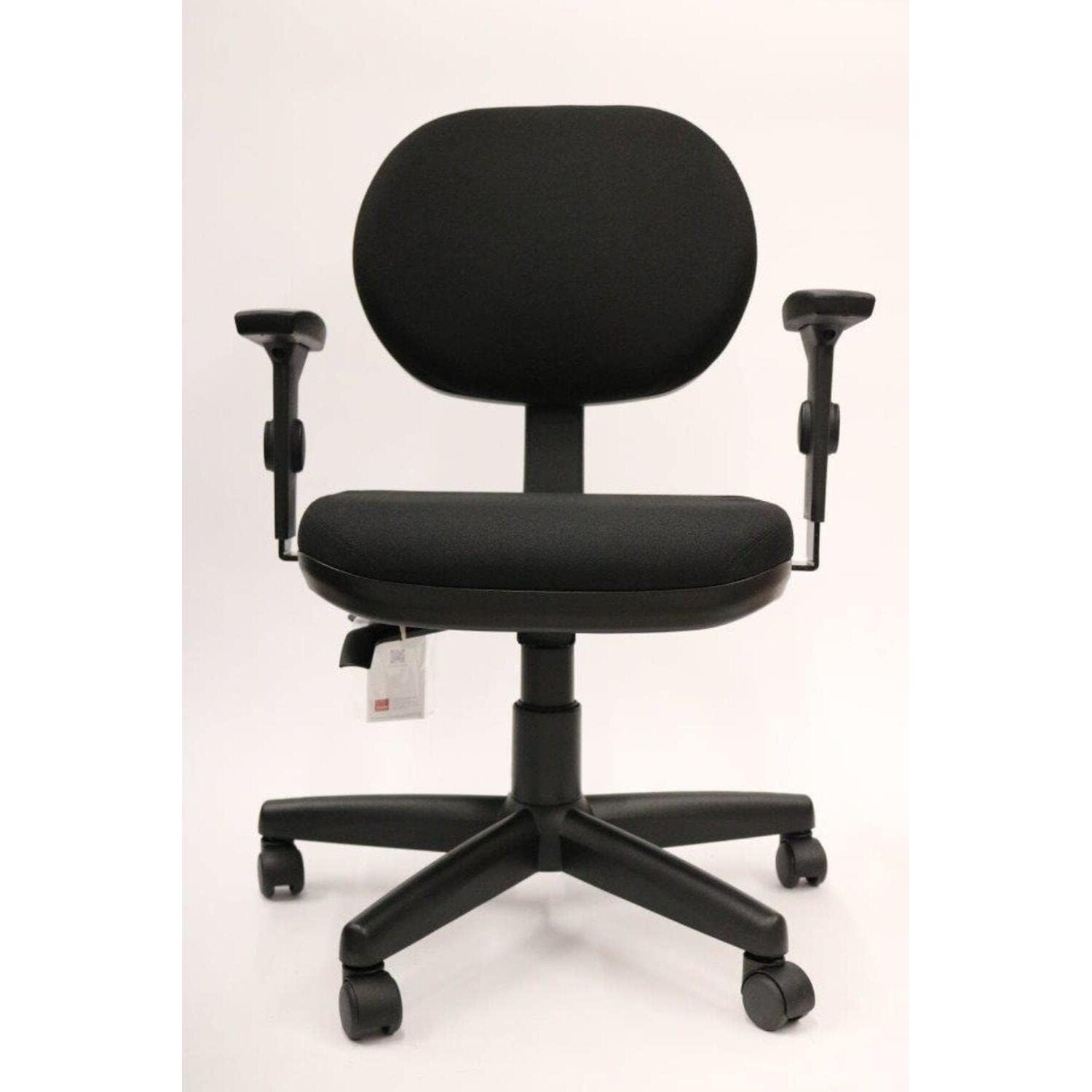
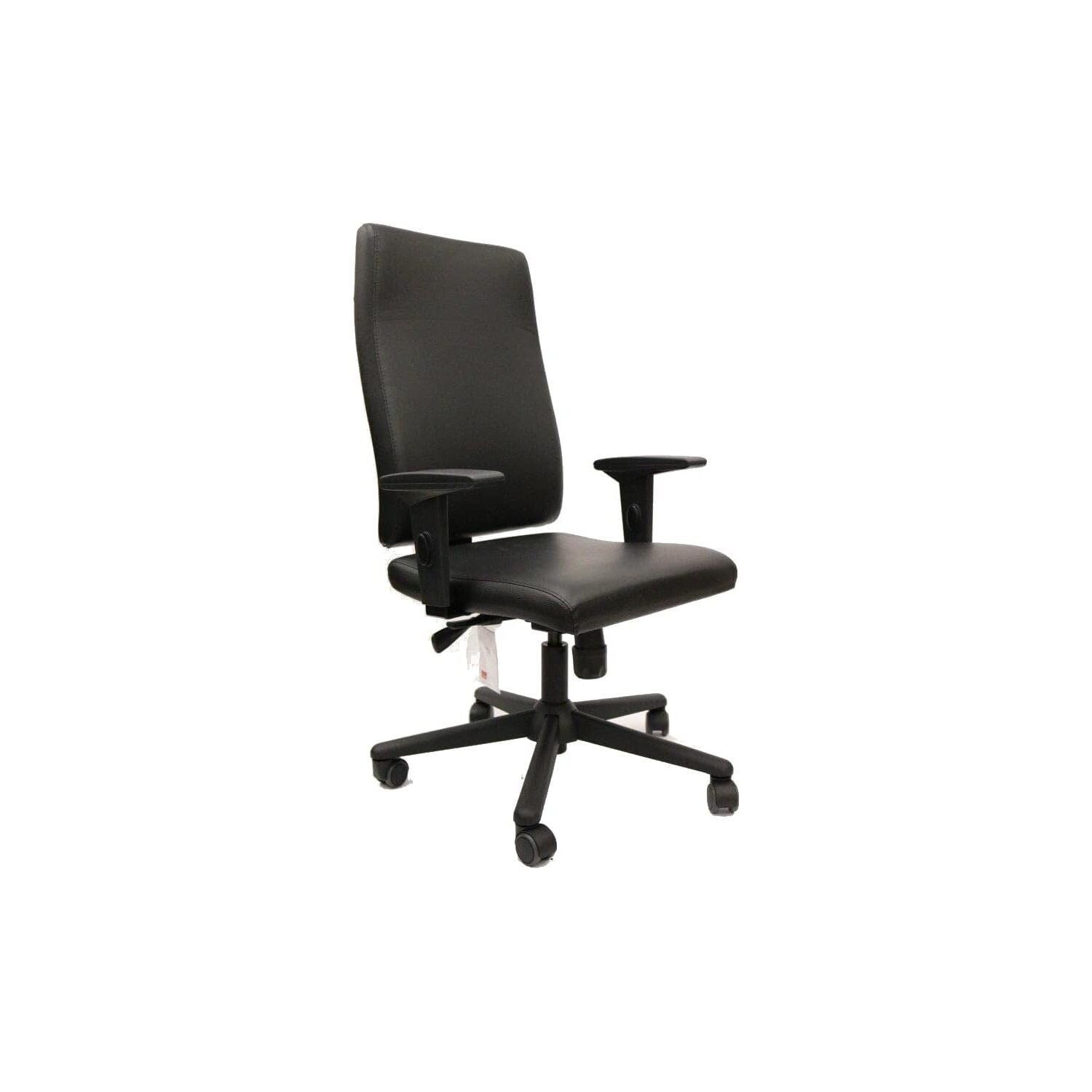
The Game-Changer: Why Adjustable Arms Matter for Your Office Desk Chair
Imagine trying to write a report, answer emails, and join a video call while your arms feel like they're on a tightrope, unsupported and straining. This is the reality for many office workers using chairs with fixed or poorly positioned armrests. An office desk chair with adjustable arms is not just a luxury; it's an essential tool for modern professionals who want to stay comfortable, focused, and pain-free throughout the workday.
Did You Know? According to a study by the National Institute for Occupational Safety and Health (NIOSH), proper arm support can reduce the risk of neck and shoulder musculoskeletal disorders (MSDs) by up to 40%. This is because it helps maintain a neutral posture for your shoulders and spine.
Beyond Basic Support: The Ergonomic Edge
A chair with adjustable arms is like having a personal ergonomic assistant. It allows you to tailor the armrest height, width, depth, and sometimes even the angle to perfectly align with your body and the tasks at hand. When your arms are properly supported, the weight of your upper body is distributed more evenly, taking pressure off your lower back and allowing your shoulders to relax. This fundamental shift can transform your work experience.
- Reduced Shoulder Tension: When armrests are too high or low, your shoulders instinctively hunch or droop, leading to muscle fatigue and pain. Correctly adjusted arms allow your shoulders to rest naturally.
- Improved Circulation: Resting your forearms on a supportive surface prevents pressure on the underside of your arms, promoting better blood flow and reducing the risk of nerve compression.
- Enhanced Precision & Control: Whether typing or using a mouse, stable arm support allows for finer motor control, reducing the effort required and potentially increasing your typing speed and accuracy.
- Versatility Across Tasks: An adjustable arm allows you to raise them flush with your desk for deep focus, lower them for a more relaxed recline, or move them outward to accommodate a broader frame or different sitting positions.
Decoding the Adjustability: From 2D to 4D
Not all adjustable arms are created equal. Manufacturers use a labeling system (2D, 3D, 4D) to describe the range of motion. Understanding this is key to choosing the right chair for your specific needs.
| Adjustment Type | Description | Best For |
|---|---|---|
| 2D (Two-Dimensional) | Height adjustment (up/down). The most basic form of adjustability. | Users who primarily need to set the armrest to the right height to keep their shoulders level. |
| 3D (Three-Dimensional) | Height (up/down) and depth (forward/backward) adjustment. | Users who want to get their armrests closer to their body while typing or working to avoid reaching. |
| 4D (Four-Dimensional) | Height, depth, width (pivot in/out), and angle (pivot up/down). | Power users who want the ultimate customization for diverse body types, tasks, and even dynamic sitting positions. |
Expert Tip: If you have a larger or smaller frame, a 4D or even a 3D chair is an excellent investment. The ability to widen or narrow the armrests to fit your shoulders can make a massive difference in comfort. Think of it as the "tailor-made" suit of the seating world.
Finding Your Fit: A Quick-Start Guide
Selecting an office desk chair with adjustable arms is a personal journey. Here’s a simple, step-by-step guide to help you find the right one:
1. Assess Your Workflow
Do you primarily type, use a mouse, or handle a lot of documents? Your dominant tasks will determine how frequently you adjust your arms.
2. Understand Your Needs
Determine if you need basic height adjustment (2D) or if you need depth (3D) and width (4D) to support a wider frame or specific task.
3. Measure Your Space
Ensure the chair's size, especially the width between the arms, fits comfortably under your desk. Folding or retractable arms are a great option for smaller spaces.
4. Test the Range & Quality
Test the mechanisms. Are they smooth and easy to use? Do the armrests lock firmly in place without wobbling? High-quality materials and a robust base are essential for long-term durability.