
Why Choose an Office Chair with Retractable Arms?
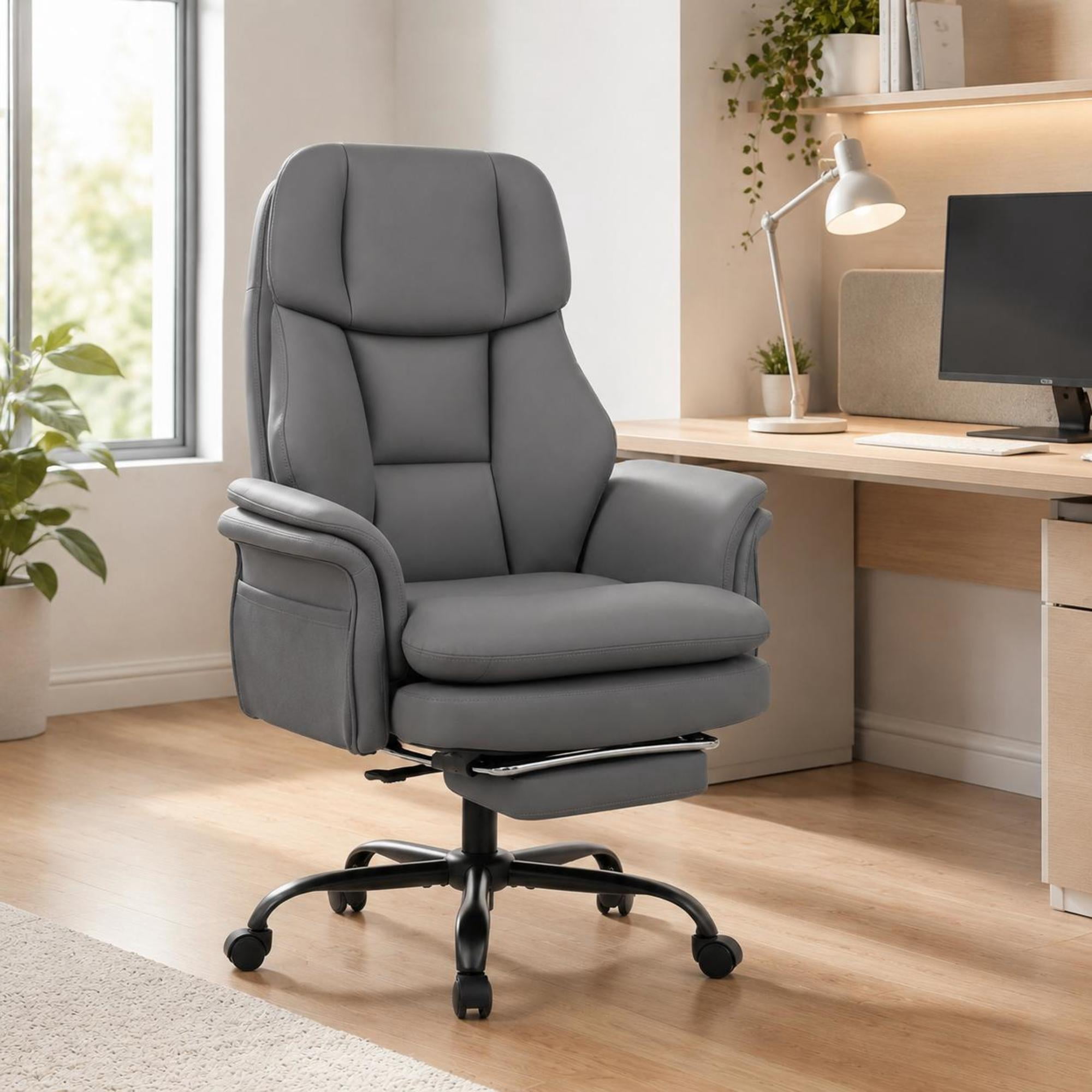
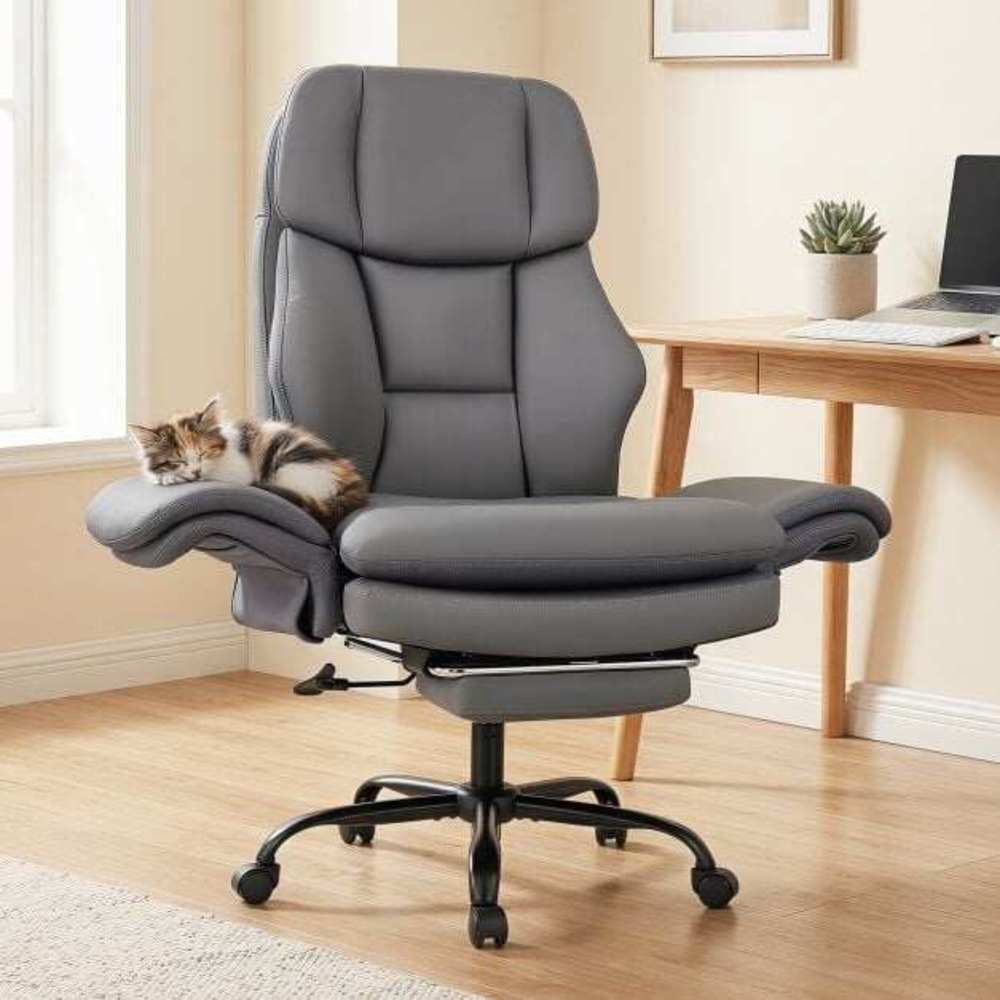
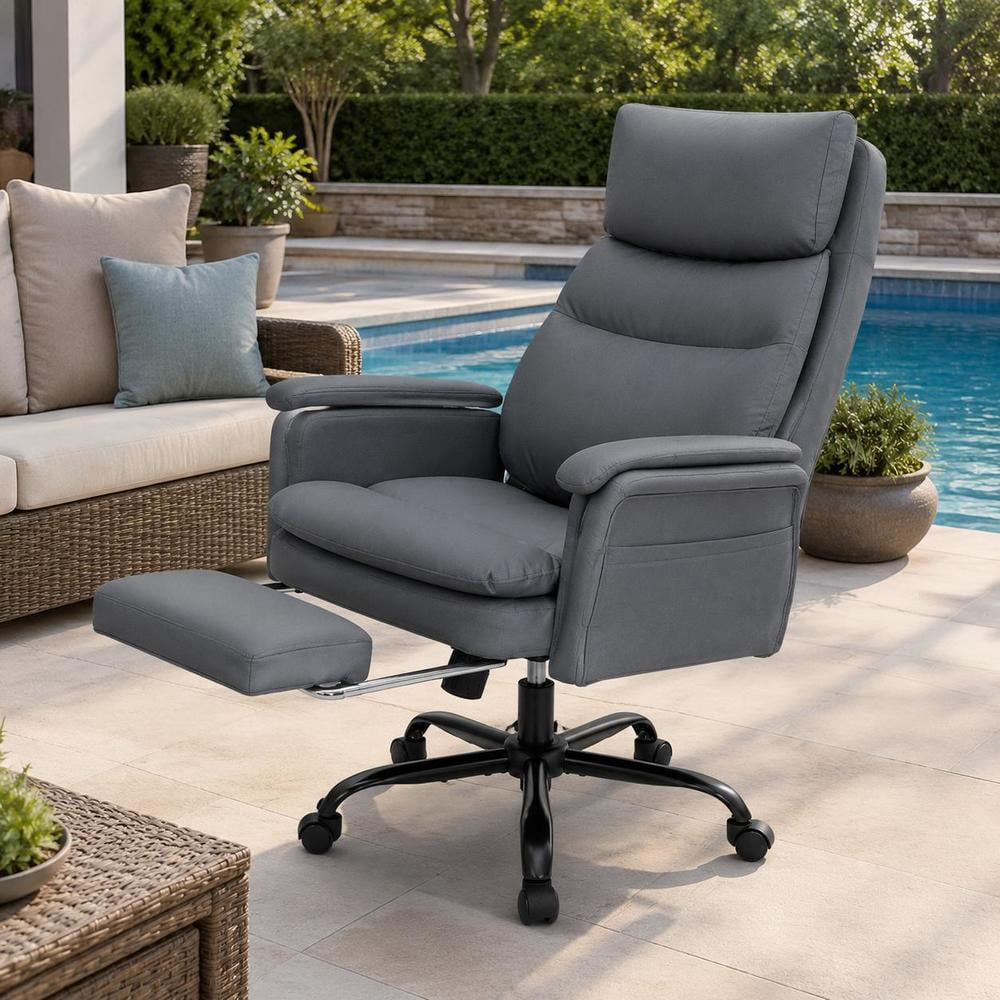
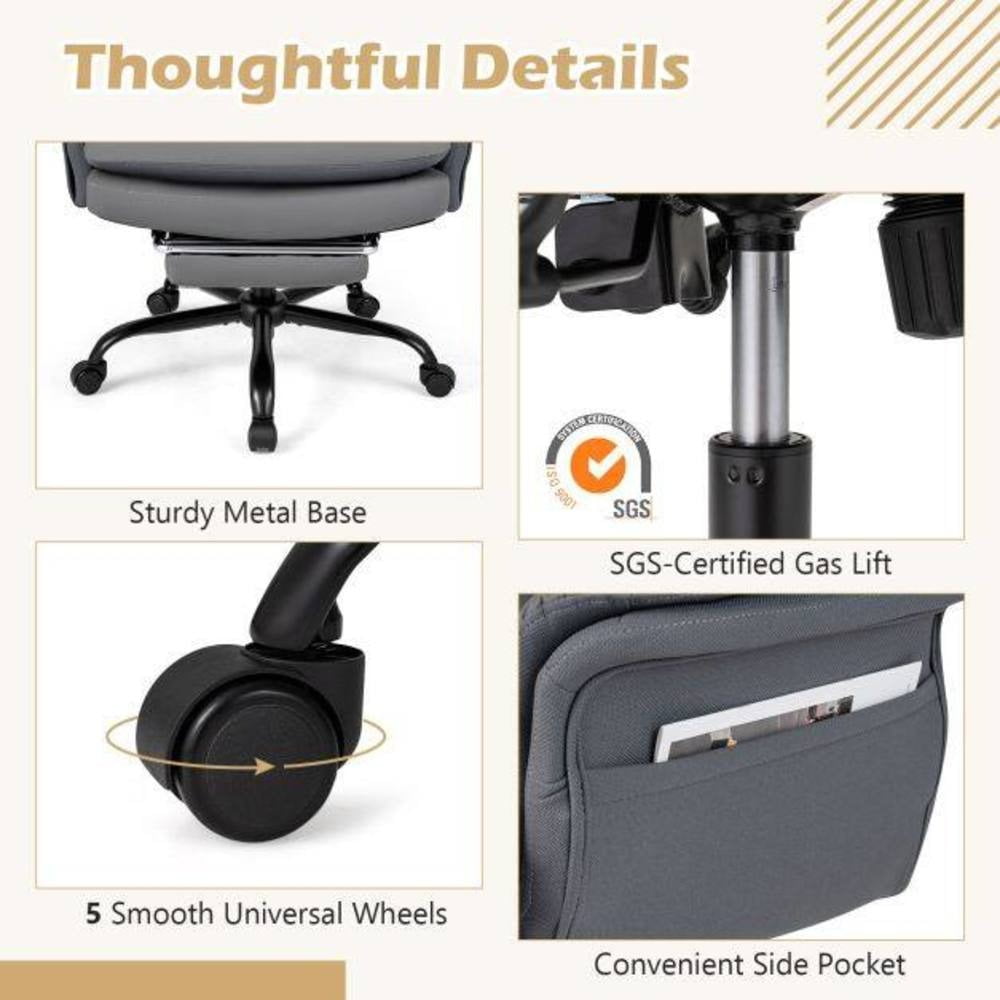
An office chair with retractable arms, also known as flip-up or adjustable arms, is a game-changer for dynamic work environments. Whether you're a creative professional who shifts positions frequently, or you work in a compact home office, these chairs offer the best of both worlds: ergonomic support when needed, and flexibility to move freely.
Did you know? A 2023 workplace study found that 68% of remote workers prefer chairs with retractable arms because they allow for varied sitting positions, including cross-legged and side-sitting, which can improve comfort and focus.
Key Benefits of Retractable Armrests
- Space-Saving Design: Flip-up arms reduce the chair's width, making it easier to store under desks or in tight spaces.
- Versatile Sitting Postures: Whether you sit cross-legged, lean to one side, or prefer open-arm typing, retractable arms accommodate your style.
- Ergonomic Support: When in use, they provide proper arm support to reduce shoulder and neck strain.
- Desk Accessibility: Slide closer to your desk without armrest interference, promoting better posture and reducing reach.
- Easy Cleaning & Maintenance: Arms that fold up allow for easier cleaning of the seat and surrounding area.
Who Benefits Most from Retractable Arms?
While any office worker can enjoy the flexibility, these chairs are particularly beneficial for:
- Small Office/Home Office (SOHO) workers with limited space.
- Users who alternate between typing and writing — flip-up arms allow for a more natural arm position while writing.
- People who sit cross-legged or in non-traditional postures.
- Hot-desking environments where multiple users of different sizes share a chair.
What to Look for in a Retractable Arm Mechanism
Not all retractable arms are created equal. Here's what to prioritize:
| Feature | Why It Matters | What to Look For |
|---|---|---|
| Flip-Up/Down Mechanism | Ease of use and durability | Metal hinges with a secure lock in both positions; smooth action |
| Height Adjustability | Customization for elbow and shoulder alignment | Range of at least 2-3 inches, with clear tension control |
| Pivot/Width Adjustment | Accommodates different shoulder widths | 3D or 4D armrests with angle and lateral movement |
| Padding Material | Comfort during extended use | High-density foam or gel padding, covered in breathable fabric or PU leather |
| Weight Capacity | Durability under pressure | Arms rated for at least 50-70 lbs of downward force |
Ergonomic Advantages of Flexible Armrests
Reduced Shoulder Tension
By adjusting arm height and angle, you keep your shoulders relaxed, reducing the risk of trapezius muscle strain.
Improved Circulation
Flipping arms up when not in use allows for better blood flow to the arms and hands, preventing numbness.
Posture Support
When engaged, arms provide a stable base that encourages an upright, aligned posture.
Task Adaptability
Easily transition from focused typing to creative sketching or phone calls without armrest obstruction.
Comparing Retractable Arms vs. Fixed Arms
Choosing between retractable and fixed arms depends on your work style and environment. Here's a quick comparison:
| Feature | Retractable Arms | Fixed Arms |
|---|---|---|
| Flexibility | High – can be flipped up or down | Low – fixed position |
| Space Saving | Excellent – reduces width when stored | Poor – takes up permanent space |
| Cross-Legged Sitting | Yes – arms stay out of the way | No – arms block side-sitting |
| Ergonomic Support | Good – when engaged, provides support | Good – but not adjustable for all |
| Durability | Varies – depends on mechanism quality | Usually more robust |
Maintenance Tips for Retractable Arms
Keep your chair's arm mechanism functioning smoothly:
- Lubricate moving parts every 6 months with silicone spray to prevent squeaking.
- Tighten screws regularly, as frequent flipping can loosen joints.
- Avoid overloading the arms with excessive weight; they are for support, not full-body leverage.
- Wipe clean with a damp cloth to prevent dust buildup in the hinges.