
Why Settle for Standard When You Can Have a Custom Office Chair?
Imagine an office chair that fits you like a tailor-made suit—every curve supported, every adjustment intuitive, and the aesthetic exactly matching your vision. That's the promise of a custom office chair. Unlike mass-produced seating, a customizable or fully bespoke chair is engineered around your body's unique dimensions, your work habits, and your personal taste.
For professionals who spend countless hours at a desk, the chair isn't just furniture; it's a performance tool. A poorly fitting chair can lead to back pain, fatigue, and reduced focus. According to a study by the National Institutes of Health, personalized ergonomic interventions can reduce seated discomfort by up to 54%. This is where custom seating outshines generic options.
Ergonomics Insight: 87% of office workers report discomfort from poorly adjusted chairs. A custom chair with personalized lumbar and seat depth can align your spine naturally, potentially reducing the risk of chronic back issues by over 60%.
The Anatomy of a Custom Office Chair: What Can You Personalize?
Customization goes far beyond picking a color. Modern custom office chairs offer a spectrum of adjustments and material choices. Understanding these options helps you design a chair that truly serves you. We'll break it down into three core areas: ergonomic fit, materials & durability, and aesthetic details.
1. Ergonomic Customization: The Foundation of Comfort
The primary reason to invest in a custom chair is to achieve a perfect ergonomic fit. Here are the critical adjustable components you should look for:
- Adjustable Lumbar Support (Height & Depth): This is non-negotiable. The natural curve of your lower back (lordosis) varies in shape and position. A custom chair lets you position the lumbar pad exactly where you need it—both up/down and in/out—to fill the gap and maintain neutral spine posture.
- Seat Depth (Slider): Your thigh length determines the ideal seat pan depth. Too long, and it presses behind your knees (restricting circulation). Too short, and your thighs lack support. A custom chair offers 2-4 inches of seat slide adjustment to ensure 2-3 fingers of space between the seat edge and the back of your knee.
- Backrest Height: Taller individuals often need a higher backrest to support the entire spine, including the thoracic region. Some custom chairs allow you to raise or lower the entire backrest, or choose from different frame sizes (regular, tall, short).
- 4D or 5D Armrests: The best custom chairs feature armrests that adjust in height, width, depth, and pivot angle. This ensures your arms rest comfortably with shoulders relaxed, preventing neck and shoulder tension.
- Tilt Tension & Lock Mechanisms: Your body weight and preferred recline resistance can be fine-tuned. Look for chairs with separate tilt tension knobs and multi-position or infinite lock back angles, allowing you to change posture throughout the day.
2. Material Selection: Upholstery, Foam, and Base
The materials you choose affect comfort, longevity, and the chair's carbon footprint. A custom office chair lets you mix and match.
Leather (Full/Top-Grain)
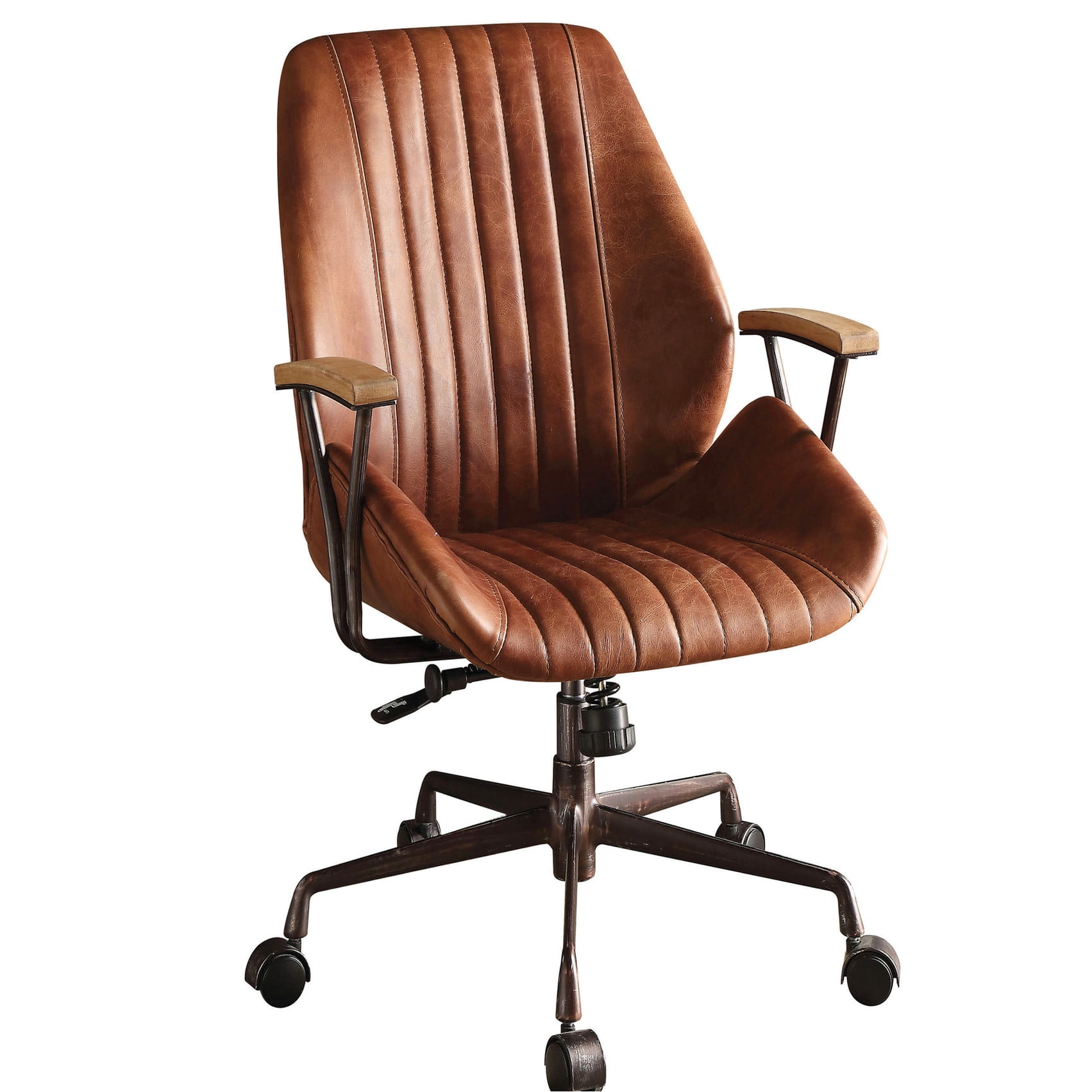
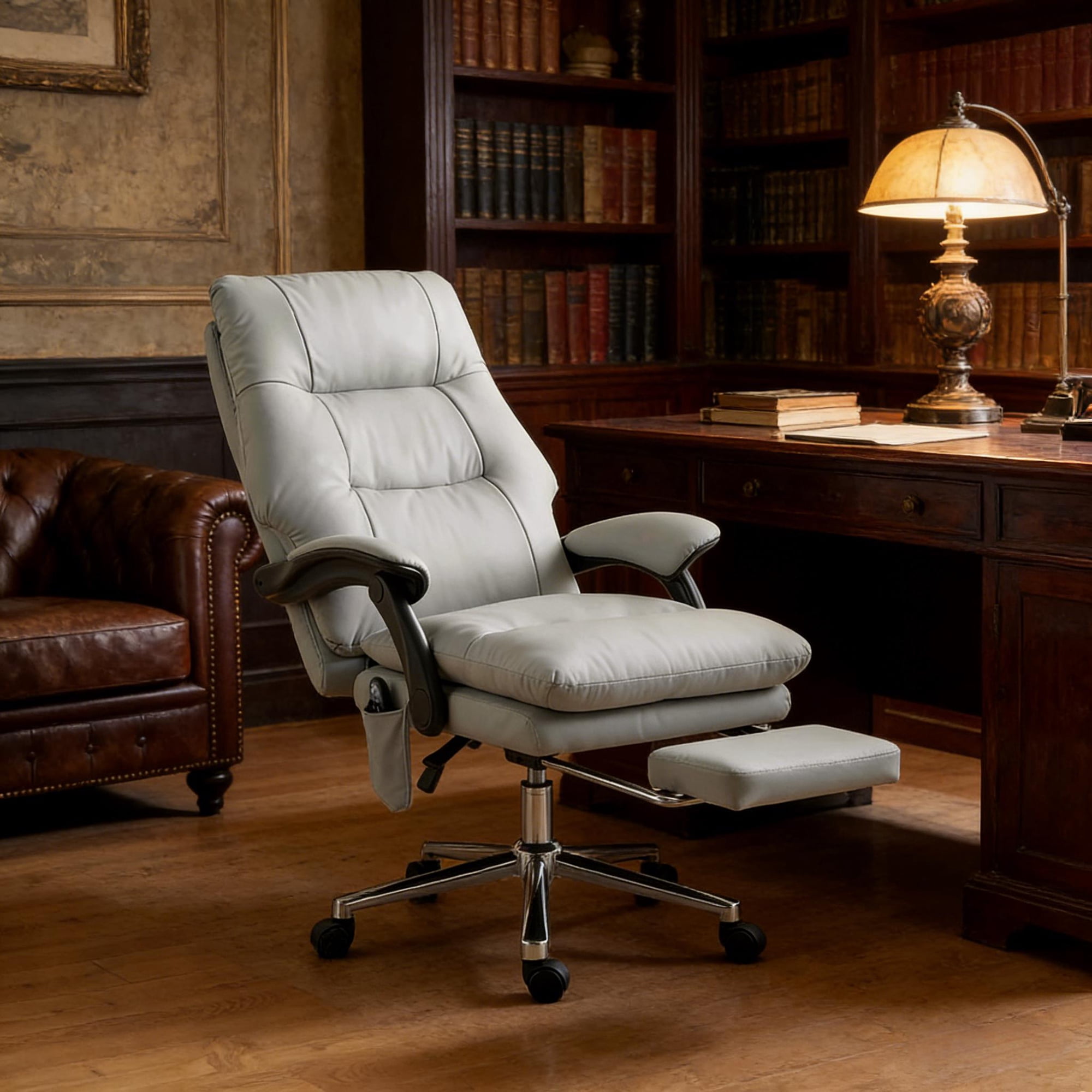
Ultimate luxury and durability. Ages beautifully, breathes (to an extent), and develops a patina. Choose from various colors and finishes (matte, glossy). Ideal for executive settings.
Premium Mesh
Highly breathable, keeping you cool during long hours. Modern and sleek. Often paired with a fabric or leather seat cushion. Great for warmer climates or intense work sessions.
Performance Fabric
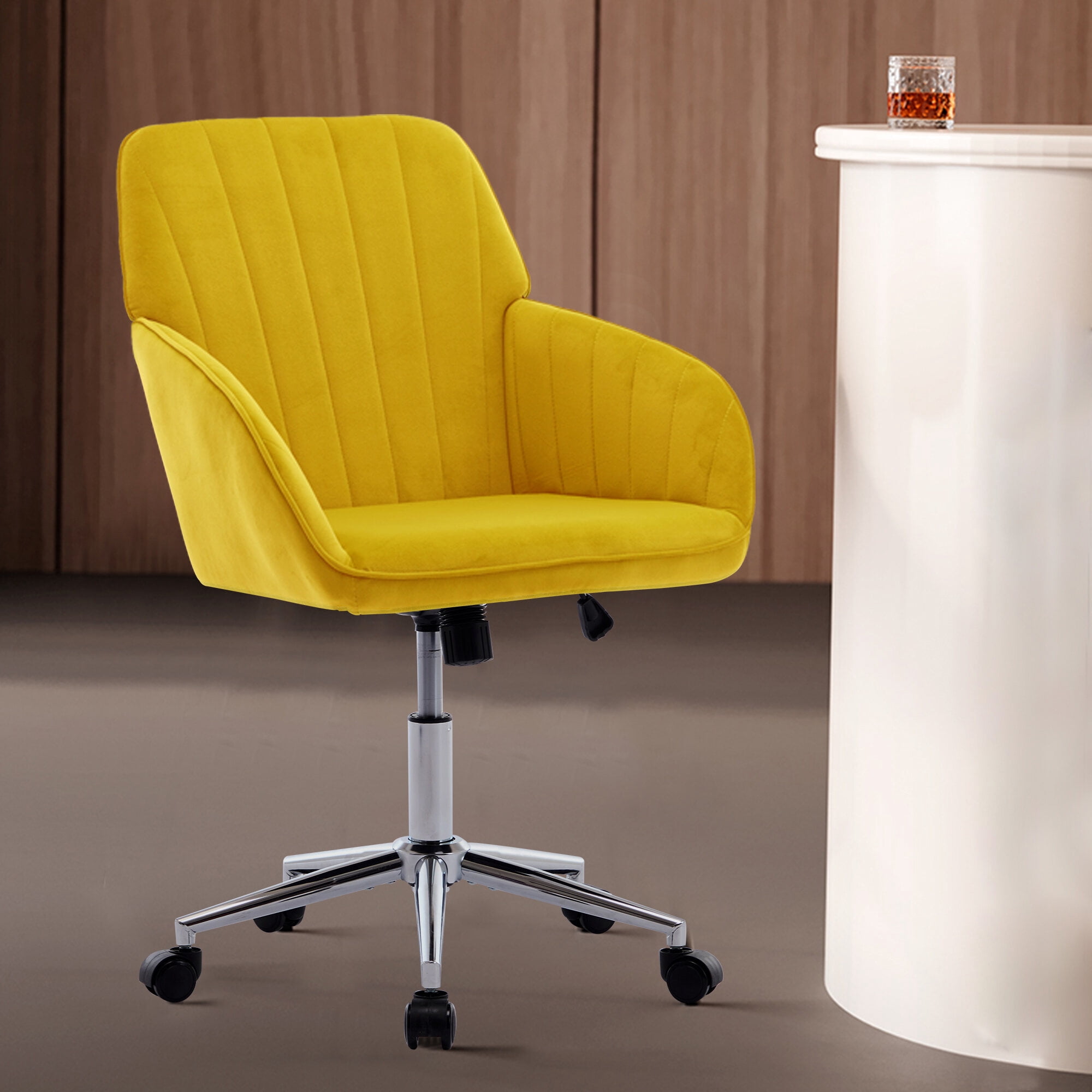
Eco-friendly options like recycled PET or wool blends offer softness, durability, and stain resistance. Available in countless colors and textures—from cozy bouclé to professional herringbone.
Foam Density & Type
Custom chairs often allow you to choose foam firmness: medium for general use, firm for heavier individuals, or soft with memory foam for a 'sinking in' feel. High-resilience (HR) foam ensures longevity.
3. Aesthetic & Feature Details
Make the chair yours with these personal touches:
- Base Finish: Polished aluminum, matte black, chrome, or even colored powder-coat.
- Caster Type: Choose rollers suitable for your floor—hardwood-safe casters, carpet casters, or even locking casters for stability.
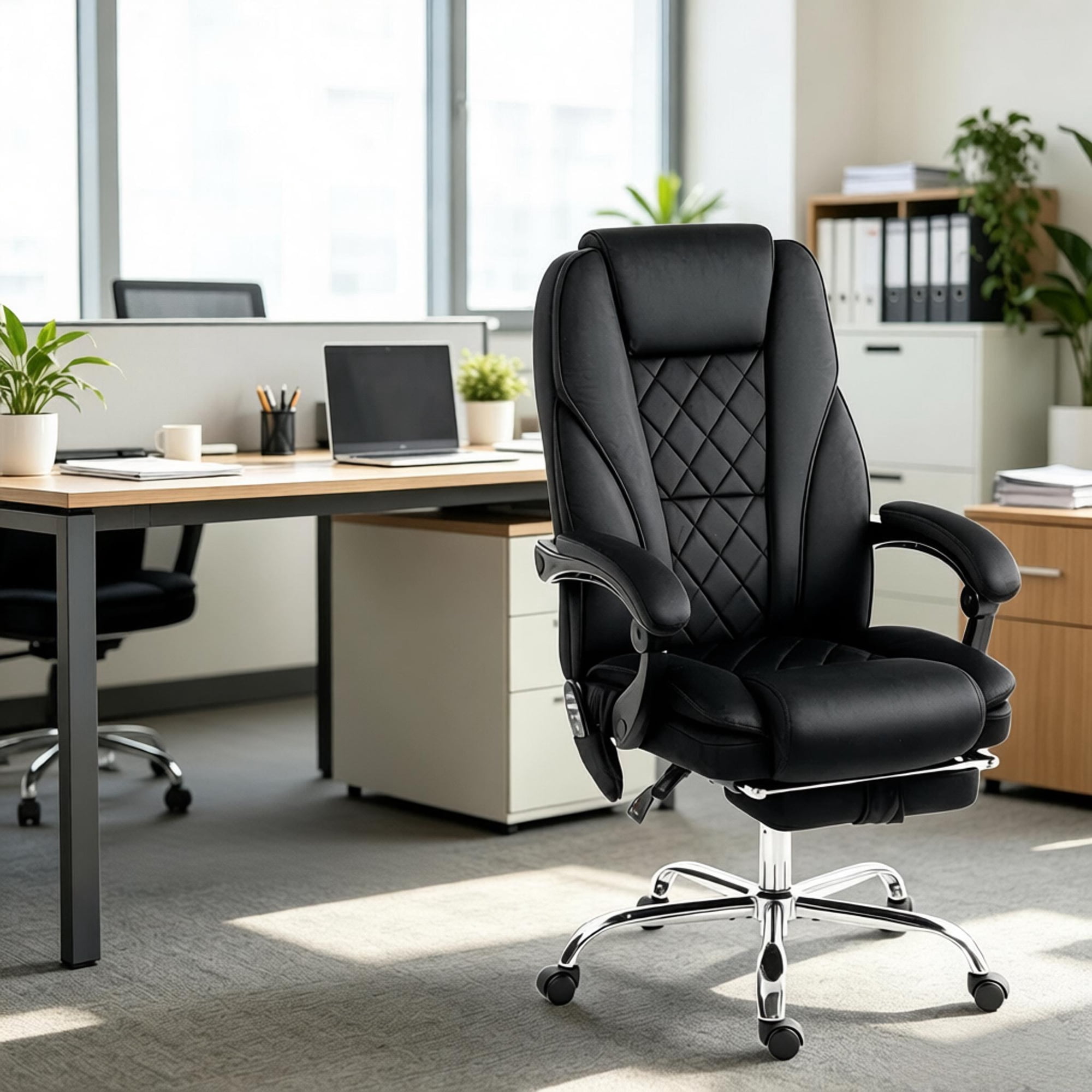
- Headrest Integration: Some custom chairs offer optional adjustable headrests, which are crucial for tall people or those who recline frequently.
- Stitching & Trim: Contrast stitching, piping color, or even embroidered initials on the headrest.
Comparison: Off-the-Shelf vs. Custom Office Chair
| Feature | Standard Office Chair | Custom Office Chair |
|---|---|---|
| Lumbar Support | Fixed or basic adjustment | Height & depth independent adjustment |
| Seat Depth | Usually one-size | Adjustable (2-4" range) |
| Armrests | 2D or 3D | 4D or 5D (height, width, depth, pivot) |
| Upholstery Choice | Limited to model specs | Multiple leathers, fabrics, mesh, colors |
| Fit for Body Type | General population | Tailored to your dimensions (e.g., tall, petite, plus-size) |
| Price Range | $200 - $800 | $800 - $3,000+ |
The Custom-Building Process: Step-by-Step
1. Self-Assessment
Measure your seated height, thigh length, shoulder width, and note any pain points. Identify your must-have adjustments.
2. Choose a Platform
Select a brand or manufacturer that offers the level of customization you need. Many have online configurators.
3. Configure Ergonomics
Start with the frame size (if available) and the key adjustments: lumbar, seat depth, back height.
4. Select Materials
Pick upholstery, foam density, and base finish. Order swatches if possible to feel textures and see true colors.
5. Finalize & Order
Review your build, check the return policy, and place your order. Prepare for a 2-6 week lead time.
Real-World Example: The Executive vs. The Programmer
Consider two users: A CEO in a glass office and a software engineer in a home office. The CEO might customize a high-back leather chair with a polished aluminum base, subtle adjustments, and a classic look to project authority. The programmer, on the other hand, might prioritize breathable mesh, aggressive lumbar support, 5D armrests for multi-monitor work, and a headrest for leaning back while debugging. Both choose 'custom office chairs', but the end results are entirely different—proving that personalization is about function as much as fashion.
Frequently Asked Questions About Custom Office Chairs
Conclusion: Your Body Deserves a Custom Fit
The era of one-size-fits-all office seating is fading. As we spend more hours at our desks, the chair becomes an extension of our workspace—a critical component of our health and productivity. A custom office chair is not a luxury; for many, it's a necessity that pays dividends in comfort, focus, and physical well-being. Whether you're designing a chair for a corner office or a home studio, remember that every adjustment and material choice brings you closer to a seat that feels uniquely yours. Start exploring configurators, request material samples, and invest in a chair that works for you—not one you have to work around.