
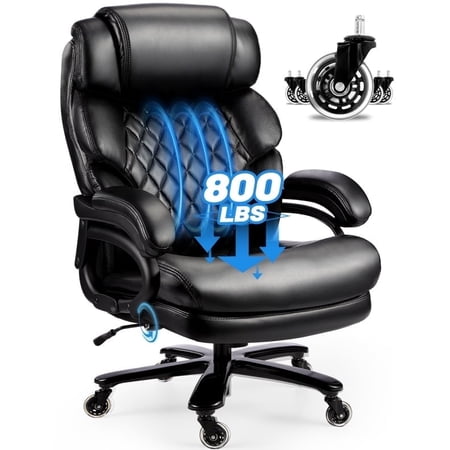
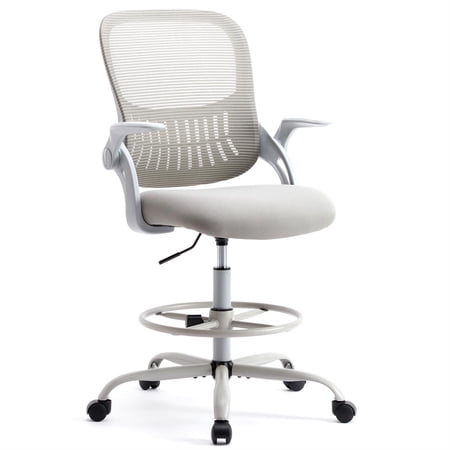
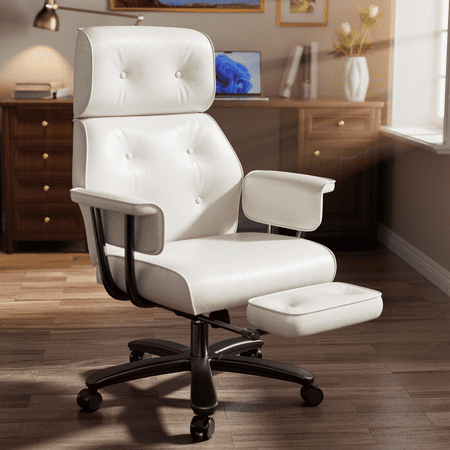
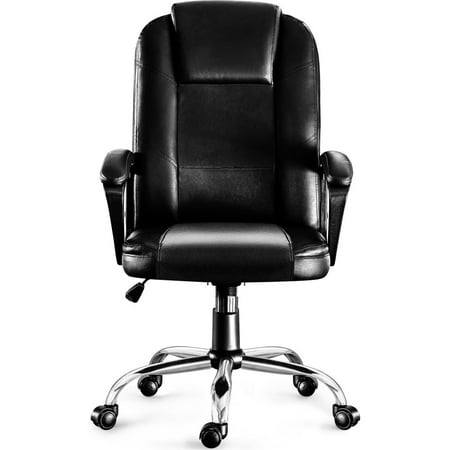
Why Standard Chairs Fail Tall People—And What Actually Works
If you're 6'2" or taller, you’ve probably experienced the frustration of an office chair that feels like it was designed for someone of average height. The backrest hits you mid-shoulder blade, the seat pan cuts into your thighs, and after an hour, your lower back aches. A comfortable office chair for a tall person isn’t a luxury—it’s a necessity for productivity and spinal health.
Ergonomic reality check: According to anthropometric data, the average seated shoulder height for a 6'3" male is about 25 inches. Most office chairs have backrests of only 20-22 inches. This mismatch forces tall users to slouch or miss out on essential upper back support. A properly fitted chair can reduce perceived fatigue by up to 55% during a full workday.
The Anatomy of a Tall-Friendly Chair
Not every "big and tall" chair is automatically comfortable. You need specific design elements that accommodate a longer torso, longer legs, and broader shoulders. Let’s break down the non-negotiable features.
- Extra-high backrest (24" minimum): Must support the entire spine, including the thoracic region and shoulders. Look for "tall back" or "extra high-back" designs.
- Seat depth adjustment (at least 20"): A deeper seat pan allows you to sit with your back against the lumbar support while leaving 2-3 finger widths between the back of your knee and the seat edge.
- Higher seat height range (20"–23"): Ensures your thighs are parallel to the floor, with feet flat, even if you have long shins.
- Adjustable lumbar (both height and depth): Tall spines have a different curvature peak. You need to move the lumbar support up or down to hit the sweet spot.
- Reinforced 5-star base and cylinder: Longer lever arms mean more stress on components. A chair rated for 350+ lbs provides stability even if you weigh less.
The "90-90-90" Rule for Tall Sitters
When seated, your ankles, knees, and hips should each be at roughly 90 degrees. For a tall person, achieving this requires three things: (1) feet flat on the floor (seat height low enough), (2) knees even with hips (seat height high enough—paradoxically, tall people often need a higher minimum height), and (3) hips pushed back enough to engage the backrest. A chair with a waterfall edge also prevents circulation restriction behind the knees.
Seat Depth: The Most Overlooked Measurement
Many tall individuals focus only on back height, but seat depth is equally critical. If the seat is too short, you’ll feel like you're sitting on a ledge, with excessive pressure on your thighs. If it’s too long, the edge will press against your calves. Look for chairs that offer sliding seat pans with at least 3 inches of travel. A depth of 18 to 20.5 inches is ideal for most tall frames.
Lumbar Support That Moves With You
Standard lumbar pads often sit too low for tall people, pushing against the mid-back instead of the natural lumbar curve. You need a chair with height-adjustable lumbar (at least 4 inches of vertical movement) and preferably depth adjustment. Some premium chairs use air bladders or dynamic self-adjusting systems that respond to your spine's shape.
Reduces Shoulder Tension
Full back support prevents hunching, reducing trapezius strain by up to 40%.
Eliminates Thigh Numbness
Correct seat depth keeps circulation flowing; no more "pins and needles."
Promotes Neutral Posture
Ears, shoulders, and hips align naturally, cutting spinal disc pressure.
Long-Term Durability
Heavy-duty components mean the chair won't wobble or sink after 6 months.
Material Considerations for Tall Users
Tall individuals often generate more heat and put more wear on upholstery. Here’s how materials stack up:
| Material | Pros for Tall People | Cons |
|---|---|---|
| High-Density Mesh | Excellent breathability; conforms to longer back; no "sticky" feeling. | May lack plush comfort if not well padded at lumbar. |
| Premium Leather | Durable; looks professional; can support extra width well. | Can get hot; requires maintenance; may be slippery. |
| Fabric/Textile | Soft; available in deep seats; often less expensive. | May wear faster; can absorb odors and stains. |
Step-by-Step: How to Test a Chair for Tall Fit
Step 1: Check Seat Height at Maximum
Sit with your back against the backrest. Adjust the chair to its highest setting. Your feet should still be flat on the floor (you may need a footrest if the minimum is too high). Ideally, your thighs slope slightly downward to maintain circulation. The pneumatic cylinder should be class 4 or higher for tall users.
Step 2: Evaluate Backrest Height
Lean back. The top of the backrest should reach at least your shoulder blades, preferably your shoulders. If it stops mid-back, your upper spine gets no support, leading to forward head posture.
Step 3: Measure Seat Depth
Slide your hips all the way back. There should be a clear gap of about 2-3 fingers between the back of your knee and the seat edge. If there’s no gap, the seat is too deep. If more than 4 fingers, it’s too short.
Step 4: Adjust Lumbar Position
Move the lumbar support up and down. It should fit snugly into the hollow of your lower back, not your mid-back. You should feel gentle pressure, not a hard poke.
Why Weight Capacity Matters Even for Slim Tall People
A tall, slender person might assume a 250-lb rated chair is enough. However, height creates leverage. A 6'5" person leaning back exerts more force on the mechanism than a 5'8" person of the same weight. Choose a chair with a minimum 300-lb rating, preferably 350+ lbs. This ensures the gas cylinder, tilt mechanism, and base are built to handle longer-term stress without failing.
Frequently Asked Questions: Tall Person Office Chairs
Final Verdict: Investing in Your Frame
Finding a comfortable office chair for a tall person is not about picking the most expensive model—it's about matching your unique anthropometry. Look for verified dimensions: seat depth adjustable to at least 20", backrest height over 24", and lumbar that moves. A chair that fits correctly is an investment in your daily energy, focus, and long-term spinal health.
Remember to check user reviews from other tall individuals, and whenever possible, test the chair's adjustments personally. The right chair will make you forget you're sitting—even after eight hours.