
The Timeless Appeal of Cane in the Modern Office
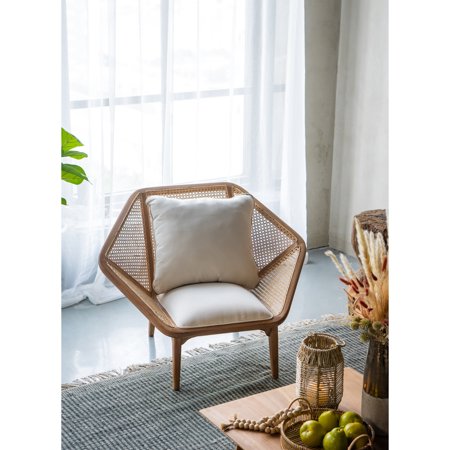
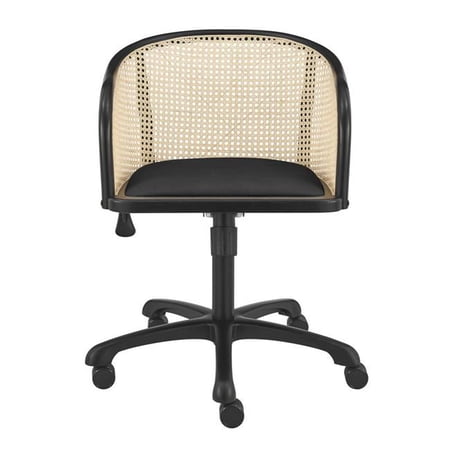
Imagine walking into your home office and being greeted not by cold plastic or generic mesh, but by the warm, organic texture of a hand-woven cane office chair. Cane, derived from the rattan plant, has been a beloved material in furniture making for centuries. Today, it's experiencing a major resurgence, finding its way from coastal dining rooms to the heart of our workspaces. But a cane desk chair is more than just a pretty face; it offers a unique combination of breathability, lightweight strength, and ergonomic flexibility that can transform your work-from-home experience.
Unlike traditional upholstered chairs that can trap heat, the open weave of a cane backrest allows for constant air circulation, keeping you cool during long meetings or intense focus sessions. This natural ventilation is a game-changer for anyone who has ever felt sticky or uncomfortable in a standard office chair. Furthermore, cane's natural springiness provides a subtle, dynamic support that moves with you, gently cradling your back without the rigid pressure of solid materials. Whether you're curating a boho-chic sanctuary or adding a touch of organic warmth to a minimalist setup, a rattan office chair makes a powerful style statement that says you value both aesthetics and well-being.
Understanding Cane: Not All Woven Chairs Are Equal
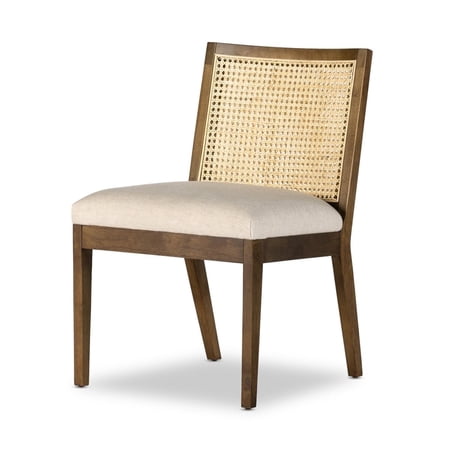
To truly appreciate a wicker office chair, it helps to understand what you're actually sitting on. The terms "cane," "rattan," and "wicker" are often used interchangeably, but they refer to different things. Rattan is the solid, vine-like material that forms the frame. Cane specifically refers to the peeled outer skin of the rattan stalk, which is split and woven into intricate patterns. Wicker is the weaving process itself. A high-quality cane desk chair will typically feature a solid hardwood or rattan core frame, with a hand-caned backrest or seat panel.
There are two primary construction methods you'll encounter:
- Hand-caned panels: This traditional method involves weaving individual strands of cane through pre-drilled holes in the frame. It's incredibly strong, detailed, and can last for generations. You can often see the tiny pegs or plugs that secure the weaving.
- Pre-woven cane webbing: This is a manufactured sheet of cane that is cut to size and pressed into a groove in the frame, held in place by a spline. It's more affordable and consistent, but slightly less durable than hand-caning.
Knowing the difference helps you gauge the quality and price point. A chair with hand-caned details is a true investment piece, while one with cane webbing offers the same aesthetic at a more accessible price.
Why Cane is Surprisingly Ergonomic
At first glance, a woven seat might not scream "ergonomic support," but don't be fooled. The magic of cane lies in its ability to conform. Much like a drum skin, a well-woven cane seat or backrest is taut yet flexible. When you sit, the woven fibers subtly depress to cradle your body's contours, distributing weight evenly. This micro-movement encourages you to shift positions naturally throughout the day, which is excellent for spinal health and circulation. This contrasts sharply with rigid seats that can create pressure points and promote static, unhealthy postures.
For optimal comfort in a work-from-home setting, look for a cane office chair that combines a woven backrest with a generously padded seat. This hybrid approach gives you the best of both worlds: the breathable, flexible support of cane for your back, and the plush, long-lasting comfort of high-density foam for your seat. Some modern designs even incorporate cane into ergonomic shapes with slight curves to support the lumbar region, proving that natural materials can be just as high-performing as their synthetic counterparts.
The Eco-Conscious Choice for Your Home Office
In an era where sustainability is paramount, choosing a natural fiber office chair is a vote for the planet. Rattan and cane are incredibly sustainable resources. They are fast-growing, renewable vines that thrive in tropical forests without needing replanting after harvest. The harvesting process is often low-impact, supporting local economies and preserving forest ecosystems. Unlike petroleum-based plastics and foams used in many conventional chairs, cane is biodegradable and has a significantly lower carbon footprint.
Furthermore, a well-made cane chair is built to last. Its durability means you won't be tossing it into a landfill in a few years. It's furniture you can repair—a skilled craftsperson can re-cane a damaged panel, giving the chair a new lease on life. By investing in a woven office chair, you're not just buying a piece of furniture; you're embracing a philosophy of quality, longevity, and respect for natural resources. It’s a beautiful, functional piece that aligns with a more mindful way of living.
From Boho to Boardroom: Styling Your Cane Office Chair
One of the greatest strengths of the cane aesthetic is its versatility. A cane swivel chair can be the chameleon of your office decor. Here are a few ways to style it:
- Bohemian Rhapsody: Pair your cane chair with a lush rug, macrame wall hangings, and plenty of green plants. Add a cozy knit throw and a brass floor lamp for a warm, eclectic vibe.
- Scandinavian Simplicity: Let the cane chair be the textural hero in a clean, white or light grey room. Pair it with a simple light wood desk and minimalist black accents for a calm, hygge-inspired workspace.
- Modern Coastal: Combine a white or light oak cane chair with soft blues, sandy beiges, and natural linen curtains. The woven texture echoes the beachy, relaxed feel of coastal living.
- Industrial Edge: Surprisingly, the organic curves of a cane chair soften the harsh lines of a metal desk or exposed brick wall. This contrast creates a visually interesting and balanced space that feels both raw and refined.
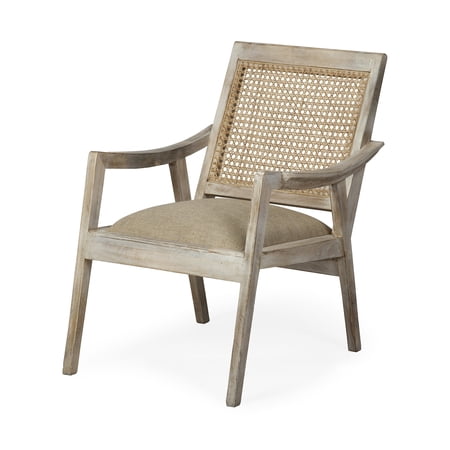
Don't be afraid to mix and match. A vintage style office chair with cane details can become a focal point that adds character and story to an otherwise generic office setup.
Design Trend Data: According to interior design platforms like Pinterest and Houzz, searches for "rattan furniture" and "boho home office" have increased by over 70% in the last two years, indicating a strong shift towards natural textures and organic materials in workspaces. A cane office chair sits perfectly at the intersection of this trend and functional comfort.
5-Step Guide to Choosing Your Perfect Cane Office Chair
- Assess Your Needs: Do you need a full-time ergonomic chair for 8+ hours, or a stylish accent for shorter tasks? This will determine if you need a padded seat and advanced adjustments.
- Check the Frame: Look for a solid hardwood (like oak, beech, or ash) or solid rattan frame. Avoid particle board or thin, unstable materials. A sturdy frame is the foundation of a durable chair.
- Examine the Weave: Run your hand over the cane. The weave should be tight, even, and free of large gaps or loose strands. For hand-caned chairs, check that the holes are evenly spaced and plugged neatly.
- Test Mobility: For an office setting, you'll likely want a swivel base with smooth-rolling casters suitable for your floor type (hardwood or carpet). Ensure the chair's height is adjustable to fit your desk.
- Consider the Cushion: If the chair has a seat cushion, check the foam density. High-resiliency foam will hold its shape longer. Removable, washable covers are a huge plus for easy cleaning.
Cane vs. Other Office Chair Materials: A Quick Comparison
| Material | Breathability | Eco-Friendliness | Aesthetic Vibe | Maintenance |
|---|---|---|---|---|
| Cane/Rattan | Excellent | High (renewable) | Warm, organic, boho | Dusting, occasional oil |
| Mesh | Very Good | Medium (synthetics) | Modern, technical | Wipe with damp cloth |
| Leather | Poor | Low (tanning process) | Luxurious, executive | Conditioning required |
| Fabric | Medium | Varies (natural blends) | Cozy, traditional | Vacuum, spot clean |
| Plastic | Poor | Low (petroleum-based) | Minimalist, cheap | Wipe clean |
As the table shows, cane stands out for its combination of breathability and sustainability, offering an aesthetic that no other material can truly replicate. It brings a soulfulness to your workspace that synthetic materials often lack.