
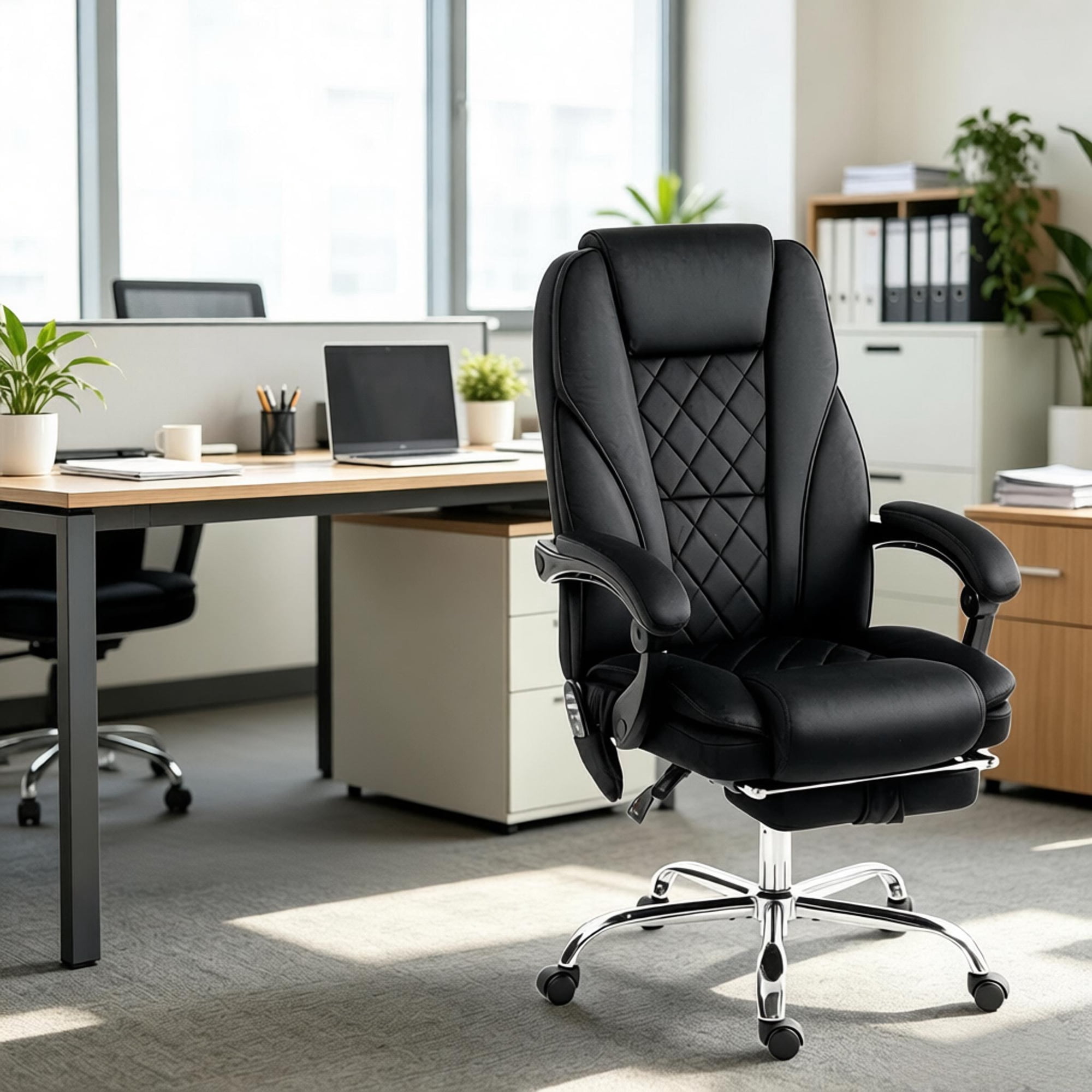
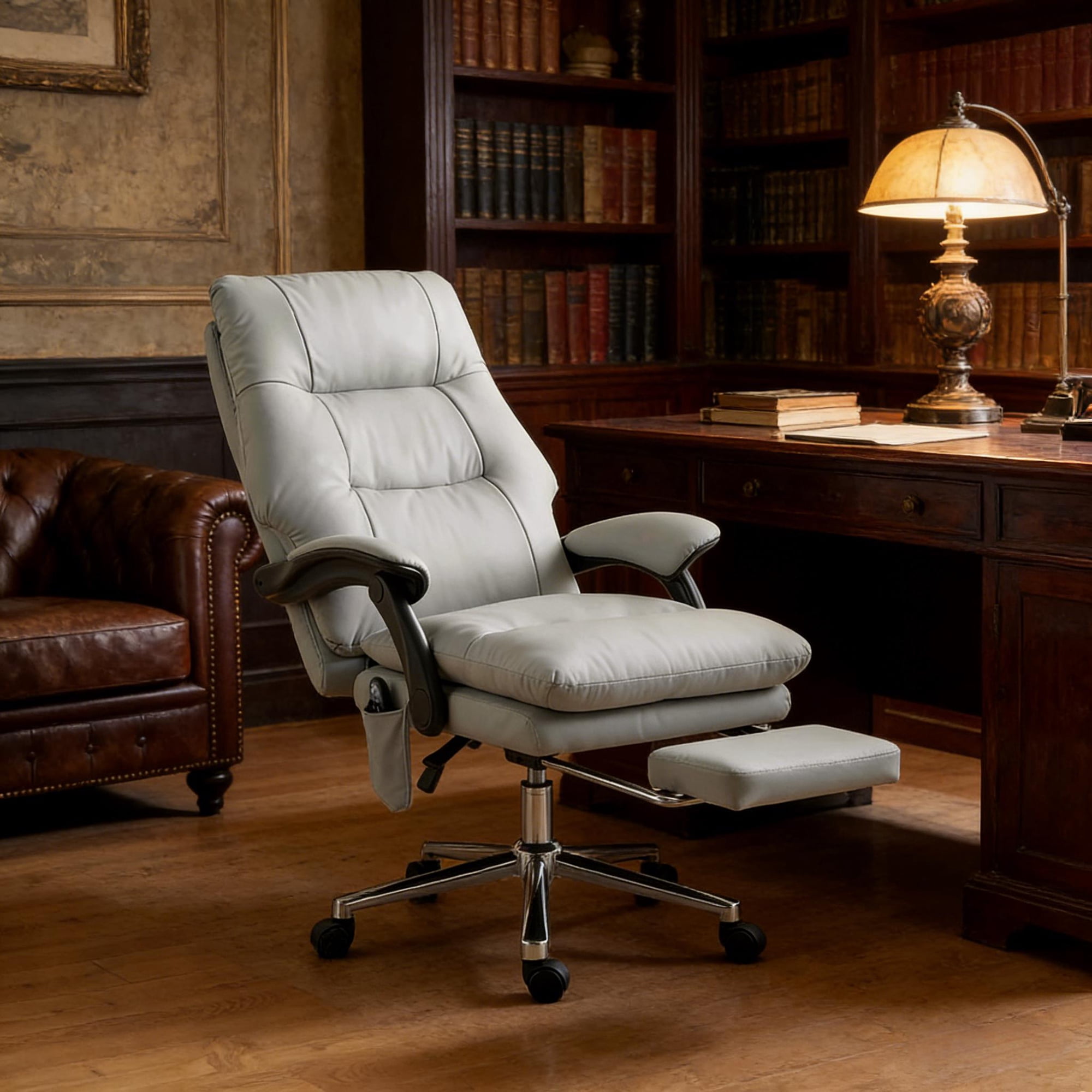
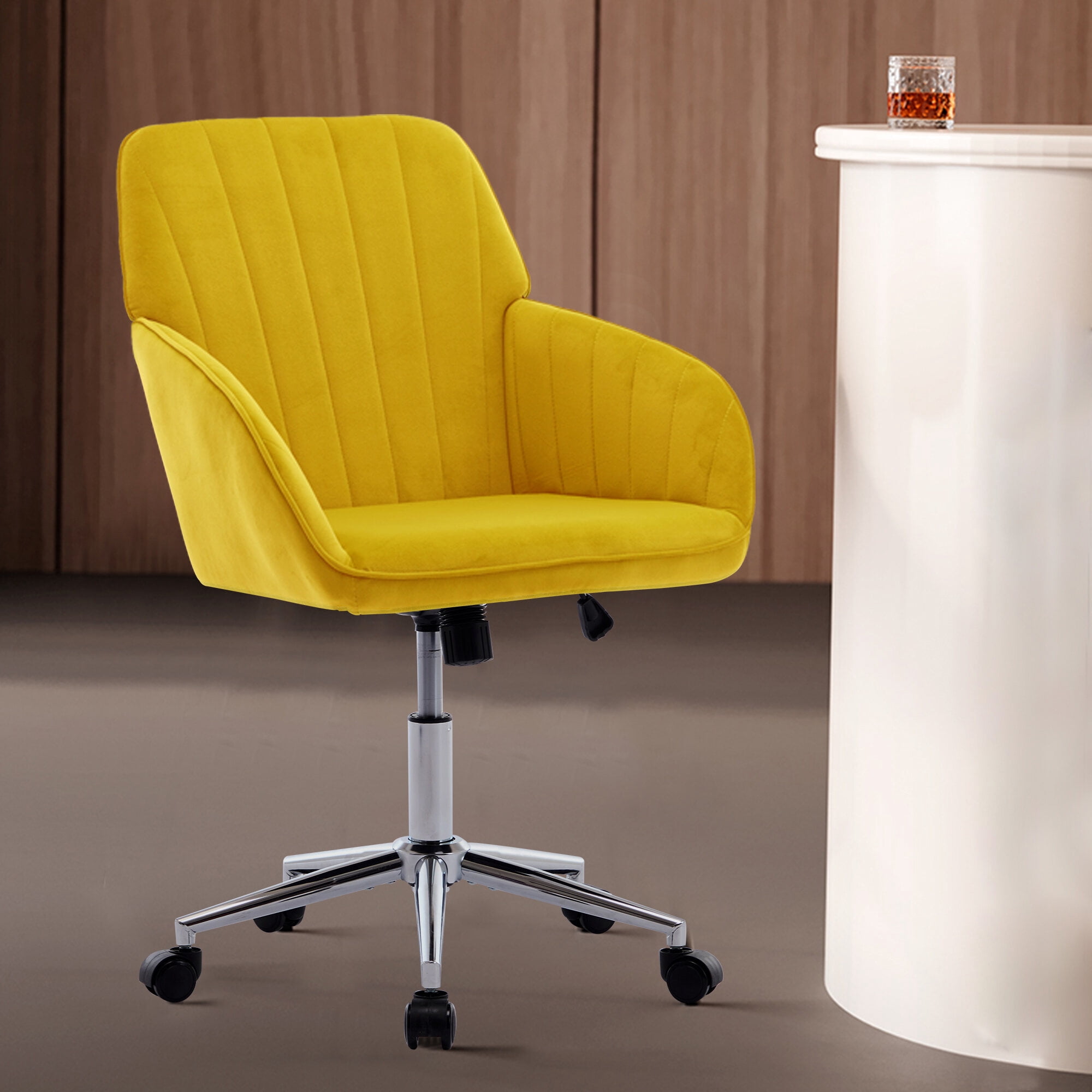
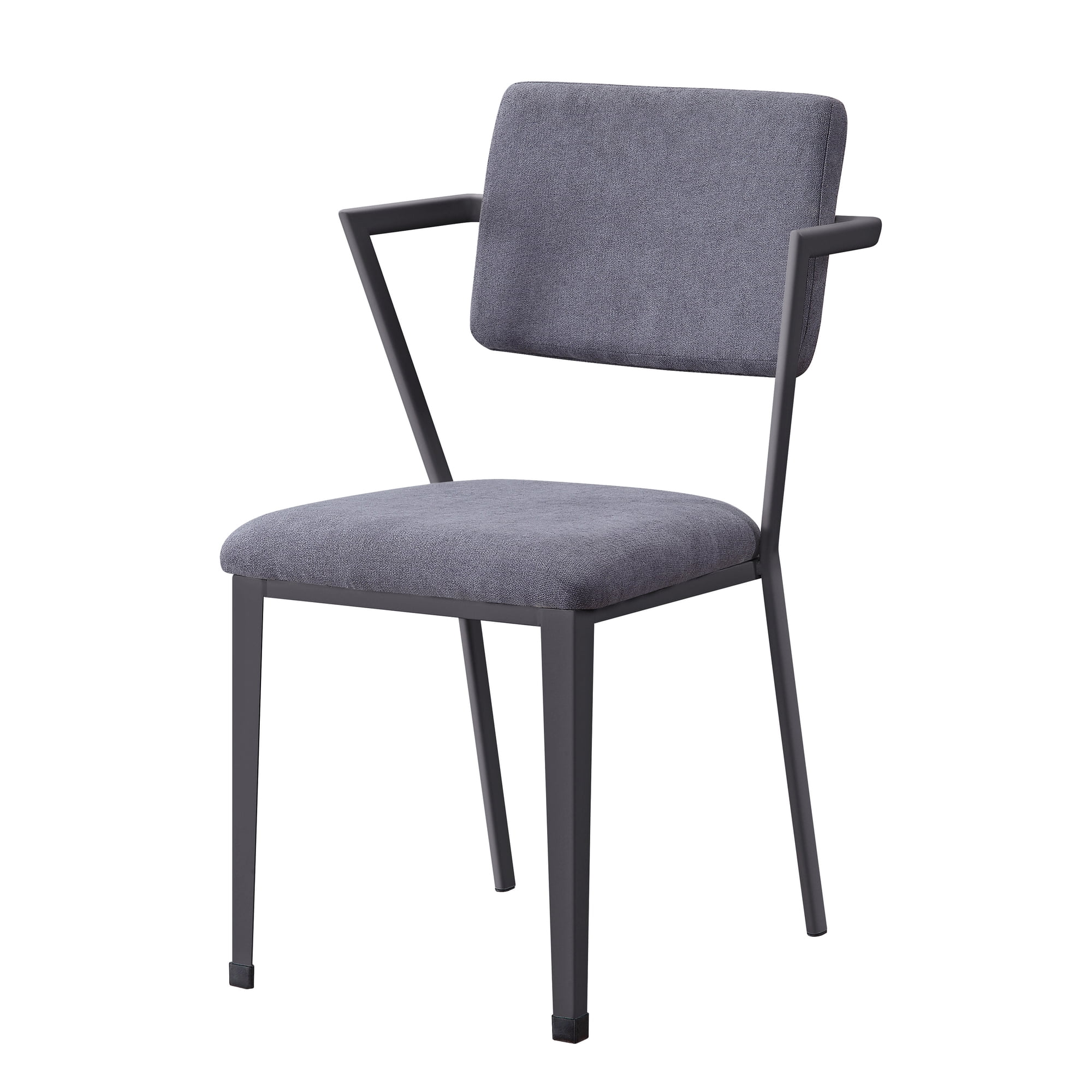
What is a Typical Office Chair?
A typical office chair is the backbone of any workspace. It's the standard seating solution you'll find in most offices, designed to accommodate a broad range of users and tasks. These chairs are the unsung heroes of productivity, supporting you through meetings, focused work, and everything in between. But not all typical office chairs are created equal. Understanding their key components can help you choose one that perfectly fits your body and work style.
Did you know? The average person spends over 40 hours a week sitting in an office chair. That's more than 2,000 hours per year! Investing in a high-quality typical office chair is one of the most important decisions you can make for your long-term health and comfort.
Anatomy of a Typical Office Chair
To make an informed choice, it helps to know what makes up a typical office chair. Each part plays a crucial role in comfort and functionality.
- Seat Pan: The surface you sit on. Look for ample width and depth, with a waterfall edge to reduce pressure on your thighs.
- Backrest: Provides support for your spine. A good backrest will support the natural 'S' curve of your back, especially the lumbar area.
- Lumbar Support: A key feature for preventing back pain. Adjustable lumbar support allows you to find the perfect position for your lower back.
- Armrests: Help to reduce strain on your shoulders and neck. They should be adjustable so your elbows can rest at a comfortable 90-degree angle.
- Mechanism: The control system for adjusting the chair. Look for easy-to-use levers for seat height, tilt tension, and lock.
- Base and Casters: The foundation of the chair. A five-point base with durable casters ensures stability and smooth movement across various floor types.
Choosing the Right Typical Office Chair for You
Selecting a typical office chair is a personal decision. Consider these factors to find your perfect match:
| Feature | Why It Matters | What to Look For |
|---|---|---|
| Seat Height | Ensures proper leg posture and circulation | Pneumatic adjustment lever, range from 16" to 21" from the floor |
| Seat Depth | Prevents pressure on the back of your knees | Adjustable depth, leaving a 2-4 inch gap between the seat edge and your knees |
| Lumbar Support | Reduces lower back strain and fatigue | Adjustable height and depth, or built-in support that follows your spine's curve |
| Backrest Angle | Provides dynamic support and allows for reclining | Tilt-tension adjustment to control recline resistance, and a lock for a fixed position |
| Armrests | Reduces shoulder and neck tension | Height-adjustable armrests that are wide enough to support your forearms |
| Material | Affects breathability, comfort, and durability | Mesh for breathability, fabric for comfort, or leather for a professional look |
Ergonomics and Your Typical Office Chair
Ergonomics is the science of designing the workspace to fit the user, and it's at the heart of a good typical office chair. An ergonomic chair is not a luxury; it's a necessity for anyone who sits for long periods. Proper ergonomics can lead to:
Reduced Musculoskeletal Disorders
Proper support minimizes strain on the neck, back, and shoulders, lowering the risk of chronic pain
Increased Productivity
When you're comfortable, you can focus better and work more efficiently, without constant fidgeting or discomfort
Improved Posture
An ergonomic chair encourages you to sit correctly, which can improve your posture even when you're not sitting
Enhanced Circulation
Proper seat depth and adjustability prevent blood flow restriction in your legs, reducing fatigue and numbness
Materials Matter: Mesh, Fabric, and Leather
The material of your typical office chair greatly influences your daily comfort. Here's a breakdown of the most common options:
- Mesh: Highly breathable, keeping you cool during long work sessions. It's lightweight and provides excellent support, making it a great choice for warmer climates or people who tend to get hot.
- Fabric: Offers a cozy, comfortable feel with a wide range of colors and textures. It's more affordable than leather and is a good all-rounder. However, it can stain and trap allergens.
- Leather (and Faux Leather): Provides a classic, professional look and is very durable. It's easy to clean and maintain. Faux leather is a cost-effective alternative to genuine leather, offering a similar aesthetic.