
Why Your Office Chair Should Be Stylish AND Supportive
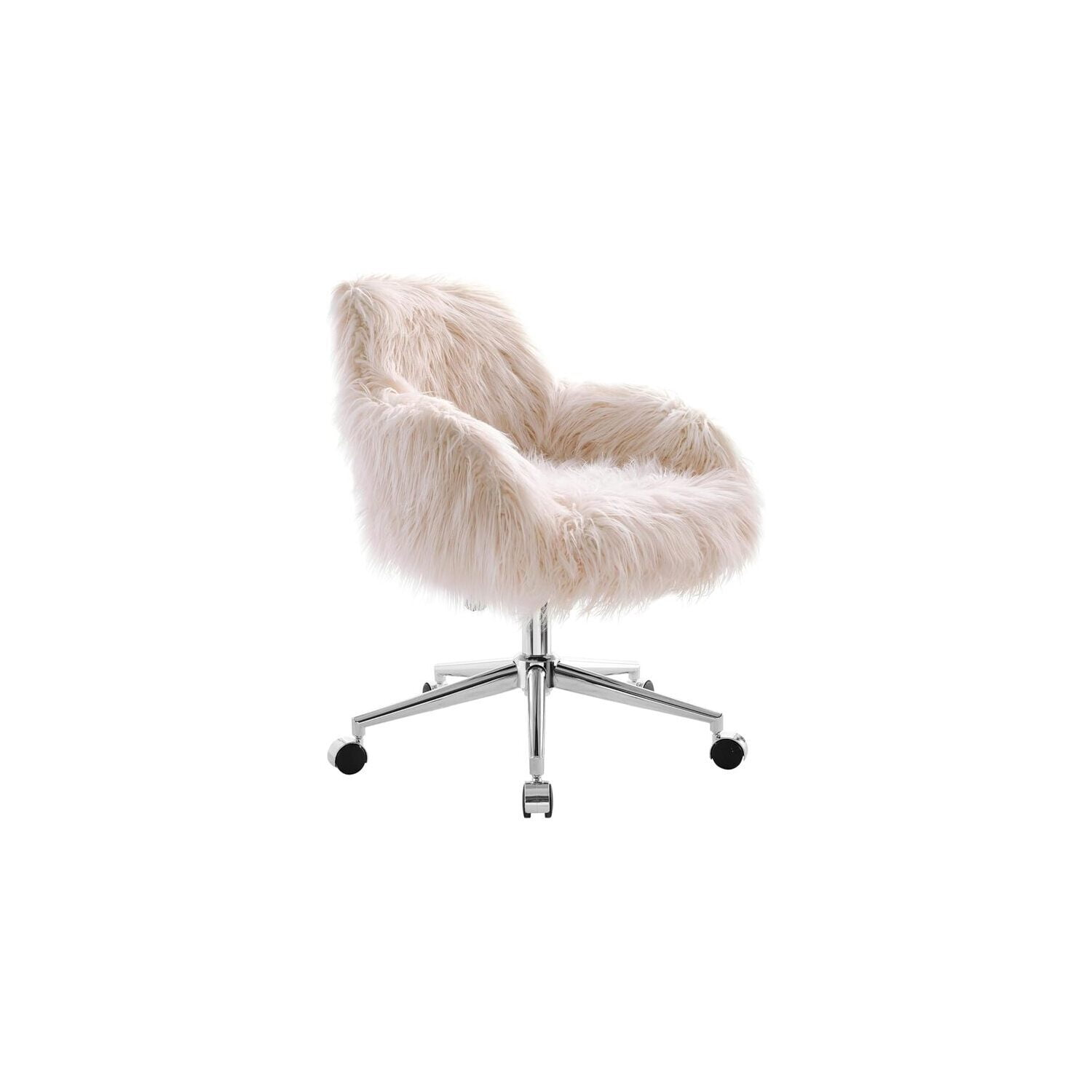
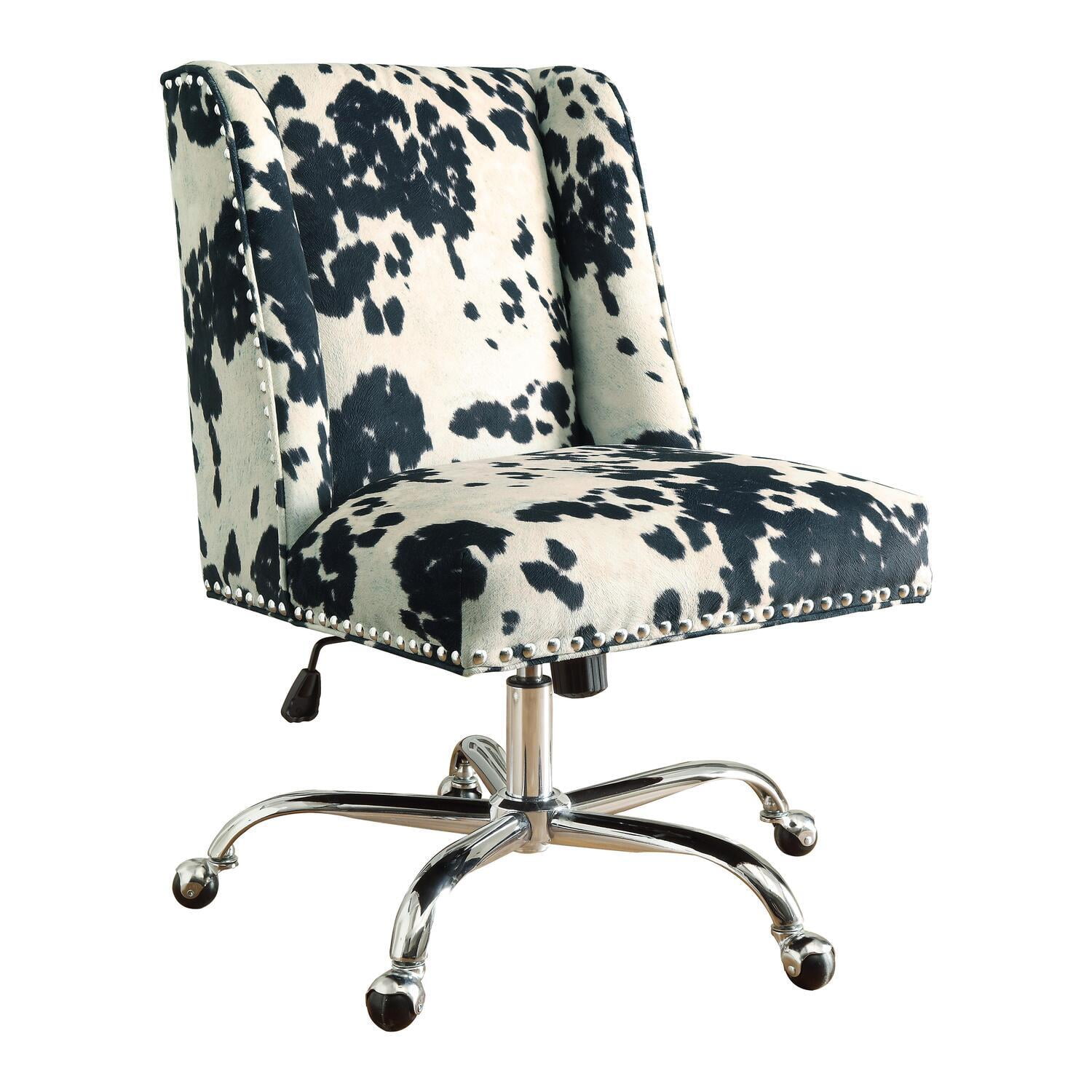
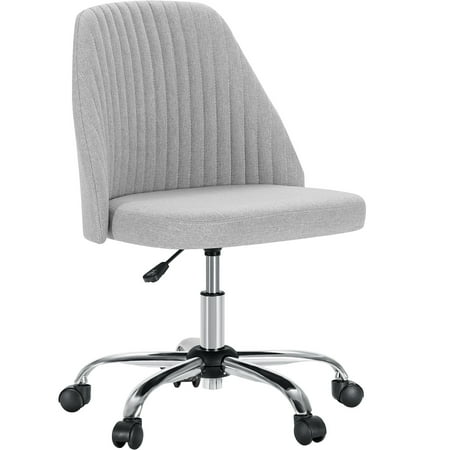
Gone are the days when you had to choose between a chair that looks good and one that feels good. Today's stylish office desk chair is a marvel of design, integrating the principles of ergonomics with the visual appeal of high-end furniture. For professionals, freelancers, and remote workers, the chair you sit in is a central piece of your daily environment. It reflects your personal style and directly impacts your physical health, focus, and overall productivity.
Design Psychology: A well-designed workspace, anchored by a visually appealing chair, can boost creativity and motivation. Studies in environmental psychology suggest that an aesthetically pleasing work area can increase job satisfaction and perceived work quality by over 30%.
Key Elements of a Truly Stylish Desk Chair
A chair that qualifies as "stylish" goes beyond a simple color or fabric. It embodies a design philosophy that harmonizes with your space:
- Sleek Silhouette: Clean lines, tapered backs, and a minimalist form that avoids bulky, outdated shapes.
- Premium Material Selection: From breathable, high-tech mesh to plush velvet or sustainably sourced leather, the materials define the chair's character.
- Subtle Yet Impactful Accents: Polished aluminum bases, color-matched stitching, or unique armrest designs add a touch of sophistication.
- Versatile Color Palettes: While classic black and grey remain popular, modern stylish chairs come in muted earth tones, pastels, or bold hues to match a vibrant personality.
- Integrated Functionality: Adjustments are cleverly hidden or designed as part of the aesthetic, ensuring a clean look without visible levers and knobs.
Pro Tip for Your Home Office: Consider your room's existing color palette and textures. A chair with a fabric that complements your curtains or a metal base that matches your desk hardware can create a cohesive, professionally designed look.
Design Styles to Inspire Your Choice
Not all stylish chairs are created equal. Different design movements cater to different tastes. Here’s a quick guide to help you identify your preferred style:
Minimalist
Clean lines, no unnecessary details, and a focus on function. Often features a slim profile, monochromatic colors, and materials like mesh or molded plastic. Perfect for modern, uncluttered spaces.
Mid-Century Modern
Characterized by organic curves, wooden elements, and a retro feel. Often features a high back, tapered legs, and luxurious fabric or leather. Adds a timeless, sophisticated warmth to any office.
Industrial Chic
Combines raw materials like metal and distressed leather. Features exposed hardware, rivets, and a sturdy, no-nonsense build. Ideal for creative spaces or offices with a rugged, urban vibe.
Scandinavian
Focuses on light woods, pale fabrics, and a bright, airy feel. The design is simple, functional, and human-centric. It promotes a sense of calm and well-being in your workspace.
Matching Style With Ergonomic Essentials
Selecting a stylish chair doesn't mean ignoring your body's needs. The most beautiful chair is useless if it leaves you with back pain. Here’s how to merge the two:
| Design Element | Ergonomic Feature to Look For | Why It Matters |
|---|---|---|
| Low, Curved Back | Integrated, adjustable lumbar support | A stylish low-back chair still needs built-in lumbar support. Look for chairs with a subtle, adjustable curve that supports the natural 'S' shape of your spine. |
| High, Enveloping Back | Headrest and shoulder support | For a grand, executive look, ensure the tall back provides support for your entire spine, including a headrest to prevent neck strain during long periods of focus. |
| Thin, Streamlined Seat | Waterfall edge and seat depth adjustment | A minimal seat should have a waterfall front edge to relieve pressure on your thighs. Adjustable seat depth ensures your feet rest flat on the floor. |
| Unusual Armrest Shape | 4D adjustability (height, width, depth, pivot) | A stylish armrest must be functional. 4D adjustability allows you to fine-tune the armrest to support your elbows and shoulders, regardless of the armrest's design. |
| Wheel Base Material | Smooth-rolling, durable casters | A polished aluminum or colored base looks great, but ensure the casters are designed for your floor type (hardwood vs. carpet) to move smoothly and protect your flooring. |
Ergonomics is Style for Your Body
Think of ergonomic features as the 'hidden style' of a chair. They are the details that ensure you look and feel your best. A chair that allows you to sit in a natural, supported posture projects confidence and poise. The best stylish office desk chair is one where you forget you're sitting because everything is perfectly aligned, and you can focus entirely on your work.
Material Deep Dive: Style Meets Substance
The material of your chair defines its aesthetic and its comfort. Here’s how to choose based on your priorities:
Breathable Mesh
Style Vibe: Modern, tech-forward, airy.
Best For: Warm climates, those who run hot, and minimalist or contemporary offices. Offers superior airflow and often provides excellent, flexible lumbar support.
Luxury Fabric/Velvet
Style Vibe: Cozy, elegant, inviting.
Best For: Home offices, creative studios, and adding a touch of warmth and texture. Available in rich colors, it creates a focal point in the room.
Genuine Leather
Style Vibe: Classic, professional, authoritative.
Best For: Traditional executive offices, law firms, or anyone wanting a timeless look. Durable and develops a unique patina over time, adding character.
Creating a Cohesive Workspace: The Finishing Touch
Your stylish office desk chair is not an island. It should work in harmony with your desk, lighting, and overall room design. Consider these points to tie everything together:
- Contrast or Complement: Decide if you want your chair to stand out as a statement piece (a bright velvet chair in a neutral room) or blend in seamlessly (a mesh chair matching your desk's finish).
- Scale and Proportion: A massive, high-back chair can overwhelm a small desk and room. Conversely, a petite task chair might look out of place behind a grand executive desk. Ensure the visual weight of the chair matches your desk and space.
- Lighting Interaction: Consider how your chair will look under different lighting. Materials like polished metal or leather will reflect light, while fabric or mesh will absorb it, affecting the room's ambiance.