
Why Choose an Old Fashioned Wooden Office Chair?
In a world of mass-produced synthetic furniture, the old fashioned wooden office chair stands as a testament to enduring quality and timeless aesthetics. More than just a place to sit, it's a piece of craftsmanship that adds character and warmth to any executive office. These chairs evoke a sense of tradition, stability, and success, making them a popular choice for leaders in law, finance, academia, and creative industries.
Historical Note: The wooden office chair has its roots in the 19th century, evolving from simple wooden stools to the ornate, spindle-backed designs favored by Victorian-era businessmen. Today, they combine that classic silhouette with modern ergonomic adjustments.
Key Characteristics of Wooden Office Chairs
What sets these chairs apart is their meticulous construction and use of premium materials. Here are the defining features:
- Solid Hardwood Frame: Built from oak, walnut, mahogany, or cherry for unmatched durability and a beautiful natural grain.
- Classic Spindle Back: The iconic turned spindles provide both support and a traditional aesthetic that never goes out of style.
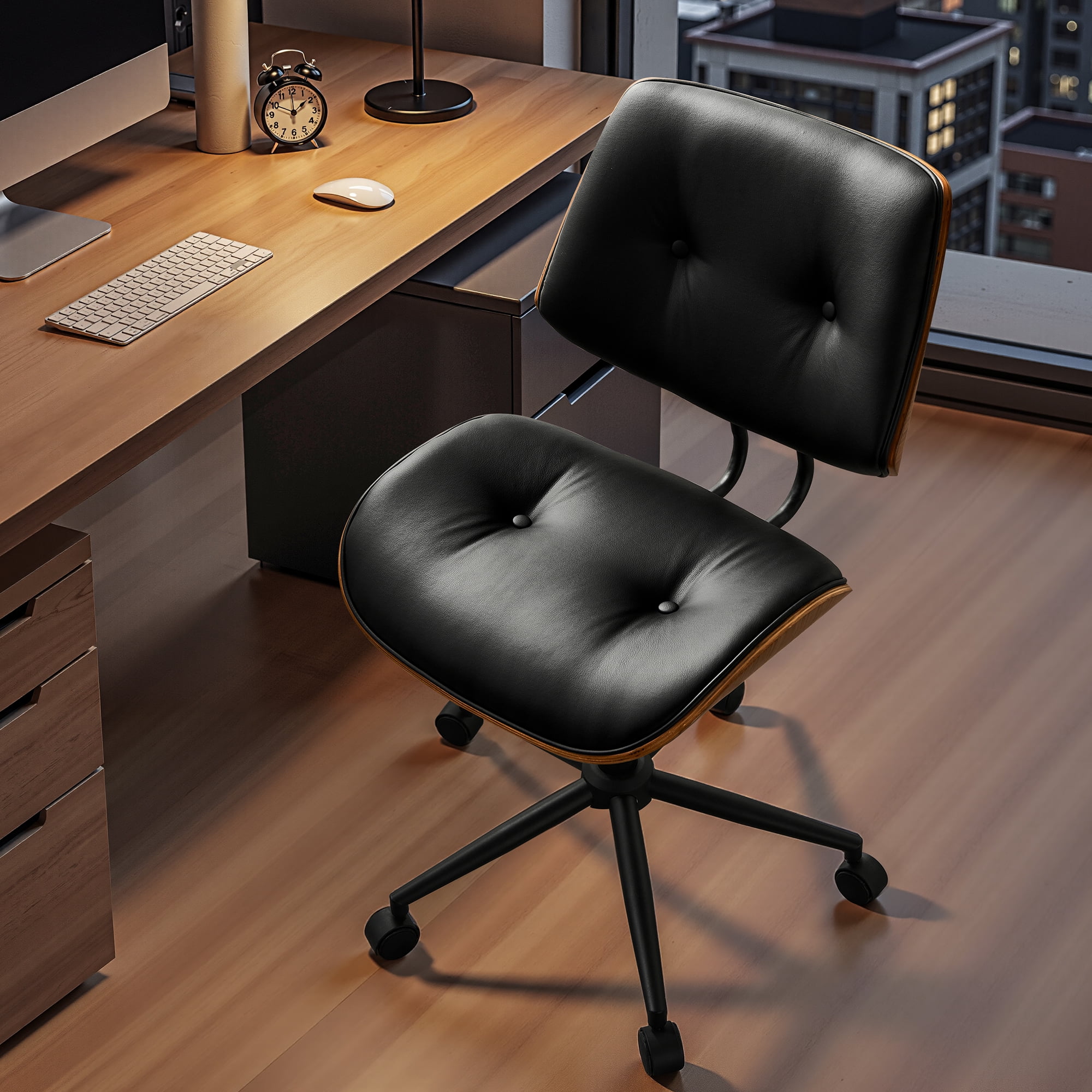
- Luxurious Upholstery: Often featuring premium leather or high-grade fabric on the seat and sometimes the backrest for added comfort.
- Heavy-Duty Swivel Mechanism: Modern iterations include smooth 360-degree swivels and gas lift height adjustments, hidden beneath the classic design.
- Rich Finish: Hand-rubbed stains and lacquers enhance the wood's natural beauty while protecting it for years of use.
Choosing Your Ideal Wooden Chair
Selecting the right old fashioned wooden office chair involves balancing aesthetics, comfort, and functionality. Consider these factors:
| Feature | Importance | Recommendation |
|---|---|---|
| Wood Type | Affects durability, color, and grain pattern | Oak for strength, Walnut for rich tone, Mahogany for classic elegance |
| Upholstery | Impacts comfort and maintenance | Top-grain leather for luxury and durability; fabric for a softer feel |
| Ergonomics | Ensures long-term comfort | Look for adjustable seat height, tilt tension, and optional lumbar support |
| Base & Casters | Stability and mobility | Solid wood or metal base with smooth-rolling casters suitable for your floor type |
| Weight Capacity | Safety and longevity | Minimum 300 lbs; verify specifications for heavy-duty use |
Benefits Beyond Aesthetics
Investing in a quality wooden office chair offers several tangible advantages that go beyond its visual appeal:
Exceptional Durability
Solid wood construction ensures longevity, often outlasting metal or plastic chairs by decades.
Timeless Style
A classic design never goes out of fashion, making it a wise long-term investment for your office decor.
Natural Comfort
Wood naturally adapts to room temperature and provides a firm yet supportive seating surface.
Eco-Friendly Choice
Sustainably sourced hardwoods offer a more environmentally responsible option compared to petroleum-based plastics.
Wood & Upholstery: Material Considerations
The combination of wood and upholstery defines the character of your chair. Understanding these materials helps in making a choice that suits your taste and office environment.
Solid Hardwoods
Advantages
- Oak: Extremely durable, prominent grain, available in red and white.
- Walnut: Rich, dark color, straight grain, moderately hard.
- Mahogany: Reddish-brown, fine grain, highly prized for furniture.
- Cherry: Warm, reddish hue, smooth grain, darkens with age.
Considerations
- Cost: Hardwood is more expensive than engineered wood or metal.
- Maintenance: Requires occasional polishing and protection from moisture.
- Weight: Solid wood chairs are heavier and less portable.
Upholstery Choices
Leather
- Durability: Lasts 10+ years with proper care.
- Appearance: Conveys luxury and professionalism.
- Comfort: Molds to the body, breathable.
Fabric
- Variety: Wide range of colors and textures.
- Comfort: Soft, warm, and quiet.
- Cost: Generally more affordable than leather.
Leather Limitations
- Higher initial cost.
- Temperature sensitive (cold in winter, hot in summer).
- Requires conditioning to prevent cracking.
Fabric Limitations
- Can stain and absorb odors.
- May show wear and fading over time.
- Professional cleaning often required.
Quick Comparison: Wooden Office Chair Materials
| Wood Type | Durability | Grain & Color | Price Range | Best For |
|---|---|---|---|---|
| Oak | Excellent | Prominent grain, light to medium brown | $$$ | Traditional offices, high-traffic use |
| Walnut | Very Good | Straight grain, rich dark brown | $$$$ | Executive suites, luxury settings |
| Mahogany | Very Good | Fine grain, reddish-brown | $$$$ | Classic and formal offices |
| Cherry | Good | Smooth grain, warm reddish hue | $$$ | Home offices, warm environments |
How to Choose Your Perfect Old Fashioned Wooden Chair
Follow this step-by-step guide to ensure you select a chair that combines classic beauty with modern comfort.
Step 1: Define Your Space & Style
- Office Decor: Does your office feature dark wood, light oak, or contemporary elements? Choose a chair that complements.
- Room Size: Larger chairs with high backs suit spacious offices, while compact designs fit smaller rooms.
- Personal Style: Do you prefer ornate carvings or a clean, minimalist spindle back?
Step 2: Assess Comfort & Ergonomics
Step 3: Set a Budget
Old fashioned wooden chairs are investments. Here is a general budget breakdown:
Entry Level
Good quality engineered wood or light hardwood with fabric upholstery.
Mid-Range
Solid oak or cherry frames with top-grain leather and better ergonomics.
Premium
Walnut or mahogany, premium leather, hand-rubbed finishes, and superior build quality.
Step 4: Test & Evaluate
Pro Tip: If possible, sit in the chair for at least 20 minutes. Check the firmness of the seat, the angle of the backrest, and the smoothness of the adjustment mechanisms. Your comfort is paramount.
Frequently Asked Questions About Old Fashioned Wooden Office Chairs
Conclusion: Embrace Tradition with Modern Comfort
Choosing an old fashioned wooden office chair is a statement of quality and timelessness. It's an investment in furniture that not only supports your workday but also enhances the character of your office. By blending traditional craftsmanship with modern ergonomic features, these chairs offer the best of both worlds.
Final Recommendations
Opt for a mahogany or walnut chair with rich leather upholstery and detailed spindle work for a commanding presence.
Choose a lighter oak or cherry design with minimal ornamentation and a sleek fabric seat to complement contemporary decor.
Select a versatile chair that balances comfort and style, with adjustable features to suit your work-from-home routine.
Top Recommendations by User Profile
| User Profile | Recommended Wood & Upholstery | Key Features | Budget Range |
|---|---|---|---|
| Executive / CEO | Walnut & Top-Grain Leather | High back, adjustable tilt, polished brass casters | $1,500-$2,500 |
| Manager / Professional | Oak & Premium Fabric | Mid-back, swivel, height adjustment, padded armrests | $700-$1,200 |
| Home Office User | Cherry & Leather/Fabric | Compact design, ergonomic seat, smooth casters | $500-$900 |
| Value Seeker | Engineered Wood & Vinyl | Classic look, basic adjustments, durable construction | $300-$600 |