


Why a White Office Chair? Aesthetic and Functional Benefits
Imagine walking into an office that feels open, airy, and meticulously organized. The color of your furniture plays a massive role in this perception. A Office Depot white office chair does more than just provide a place to sit; it acts as a canvas for your workspace. In fact, interior designers often recommend light-colored furniture to make small spaces appear larger. But beyond aesthetics, modern white office chairs are engineered with the same ergonomic rigor as their darker counterparts. Whether you're setting up a home office in a corner of your living room or outfitting a corporate suite, a white chair can be the centerpiece that ties the room together without screaming for attention.
Did You Know? A survey by the American Society of Interior Designers (ASID) found that 68% of employees feel that the aesthetic quality of their workspace directly impacts their motivation and productivity. A clean, visually appealing environment—often achieved with light colors like white—can reduce stress and improve focus.
Decoding the "Office Depot White Office Chair"
When you search for an "Office Depot white office chair," you're not just looking for any chair. You're looking for a blend of reliability, comfort, and style that the Office Depot brand represents. But with so many models available—from mesh backs to bonded leather—how do you choose? Let's break down the key categories and considerations.
1. Material Matters: Mesh vs. Fabric vs. Faux Leather
The material of your white office chair dictates its maintenance, comfort, and longevity. Here’s a detailed comparison:
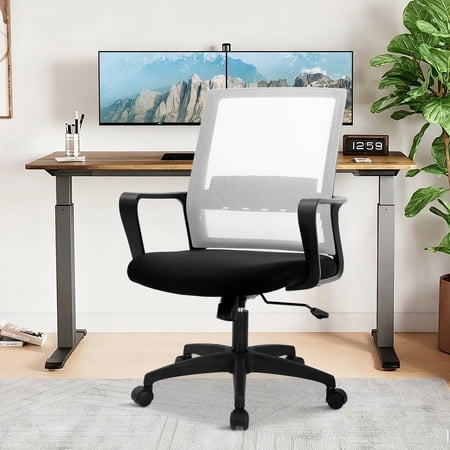
- White Mesh Office Chairs: These are champions of breathability. If you tend to get warm after hours of sitting, a mesh back (and sometimes seat) allows for continuous airflow. They are typically lighter in weight and offer a modern, tech-forward look. However, cleaning white mesh requires diligence to prevent dust and dirt from settling into the weave.
- White Fabric (Upholstered) Chairs: Often made with materials like polyester or linen blends, fabric chairs offer a softer, more "furniture-like" feel. They come in various textures, from smooth to tweed. The downside? They are more prone to staining. Look for models with stain-resistant treatment if spills are a concern in your office.
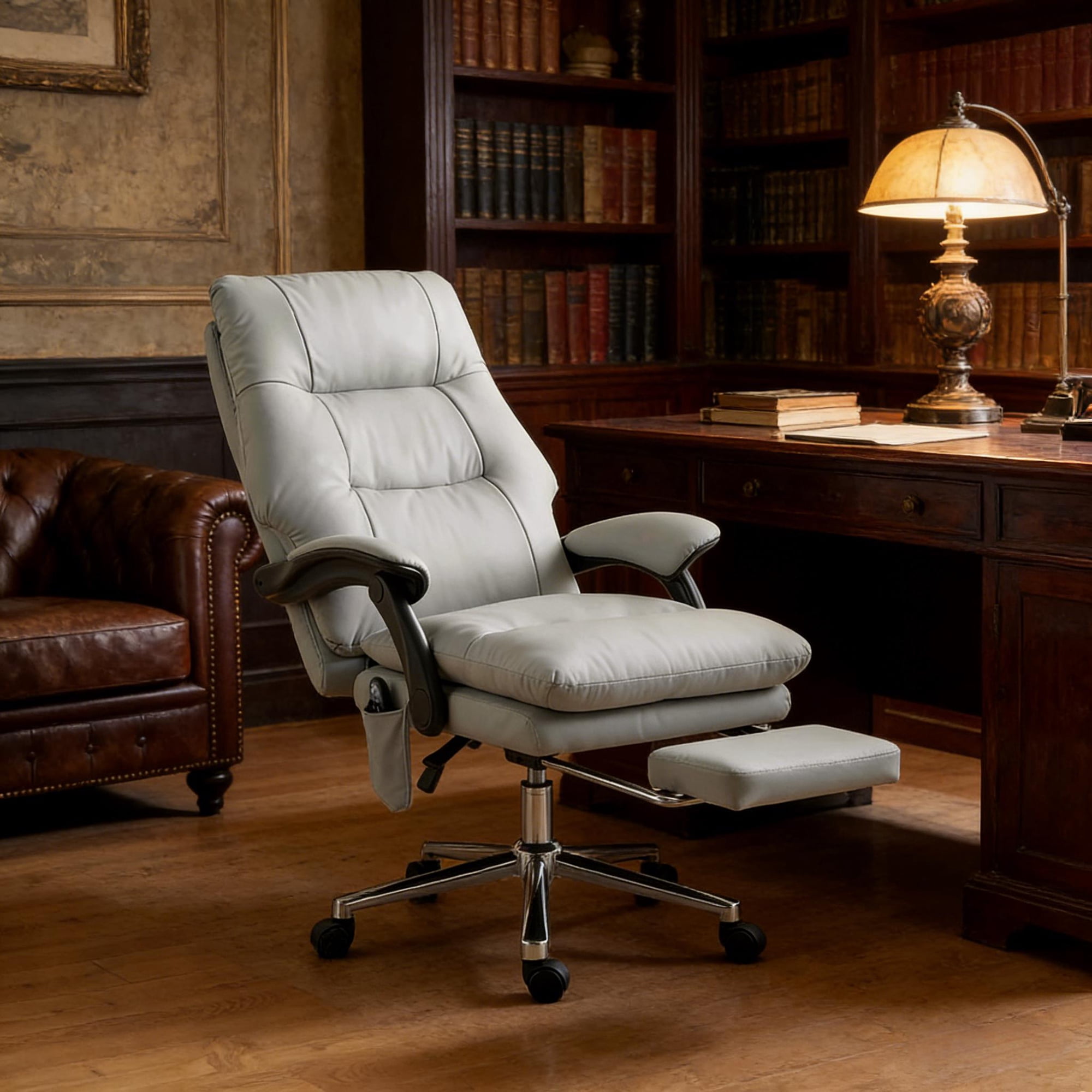
- White Faux Leather or Bonded Leather Chairs: This is a popular choice for achieving a sleek, executive look. White leather (or faux leather) is easy to wipe clean, making it ideal for a professional setting. However, it can be less breathable and may crack over time if not conditioned. Always check the quality—thicker PU leather tends to be more durable.
2. Ergonomic Features You Shouldn't Ignore
A chair is only as good as its support system. When browsing Office Depot's collection, keep an eye out for these non-negotiable ergonomic features:
- Adjustable Lumbar Support: This is the most critical feature. It supports the inward curve of your lower back. Some chairs have a built-in lumbar bump, while others offer a dial or lever to adjust the depth and height of the support.
- Seat Depth Adjustment: Also known as a "sliding seat," this allows you to move the seat pan forward or backward. This ensures that there's a 2-3 finger gap between the back of your knee and the seat edge, promoting healthy circulation.
- 4D Armrests: These armrests can be adjusted up/down, left/right, forward/backward, and sometimes pivot. They allow you to support your arms in a neutral position while typing, reducing shoulder strain.
- Tilt Mechanism and Tension Control: A good chair should allow you to recline smoothly and lock in multiple positions. Tension control lets you adjust how much force is needed to recline, accommodating different body weights.
3. Size and Weight Capacity: Finding Your Perfect Fit
Just like clothing, office chairs come in different sizes. A "one-size-fits-all" approach rarely works for long hours of sitting.
- Standard/Task Chairs: Ideal for petite to average-sized individuals. These usually have a seat width of around 19-20 inches and a weight capacity of 225-275 lbs.
- Mid-Back vs. High-Back: Mid-back chairs support the middle of your back, while high-back chairs (often called executive chairs) provide support up to your shoulders and often include a headrest. For all-day comfort, a high-back with a headrest is recommended, especially if you suffer from neck pain.
- Big & Tall White Office Chairs: Yes, they exist! For users over 6'2" or weighing over 300 lbs, look for chairs explicitly labeled "big and tall." These have wider seats (22-24 inches), reinforced steel frames, and higher weight capacities (350-500 lbs).
4. Aesthetic Integration: Making White Work
A white chair is versatile but requires some thought. It pairs beautifully with:
- Scandinavian/Minimalist decor: Think light wood desks, concrete floors, and plenty of greenery.
- Modern/Contemporary offices: Glossy white surfaces, chrome accents, and glass desks.
- Shabby Chic or Feminine spaces: White chairs with gold legs or velvet texture add a touch of glam.
The key is to balance the white chair with other elements in the room to prevent it from looking sterile or like a lab coat.
5. The Practical Side: Keeping Your White Chair Pristine
The biggest hesitation people have about a white office chair is maintenance. The fear of it looking dirty after a few months is valid, but with a routine, it's entirely manageable. Think of it like owning a white car—it shows dirt more easily, but when it's clean, it looks spectacular.
- Weekly Vacuuming: For fabric and mesh chairs, use a brush attachment to remove dust and crumbs.
- Spot Cleaning: For stains, act fast. Use a mild solution of dish soap and warm water. Dab (don't rub) the stain with a microfiber cloth. For leather, use a dedicated leather cleaner.
- Prevention: Avoid eating at your desk. If you must, use a small desk mat or placemat to protect the chair from spills.
- Deep Cleaning: Twice a year, consider using an upholstery cleaner for fabric chairs or a leather conditioner for faux leather to keep the material supple and prevent cracking.
Step-by-Step Guide to Choosing Your Chair
Step 1: Assess Your Workspace
Measure the space behind your desk. A high-back chair with a large headrest needs more clearance than a small task chair. Also, consider the floor type—hardwood floors require soft rubber casters to prevent scratches.
Step 2: Define Your Daily Usage
Do you sit for 4 hours or 9+ hours? For full-time work, invest in a chair with all the ergonomic features mentioned above. For occasional use, a simpler, more affordable model might suffice.
Step 3: Set a Realistic Budget
Budget-Friendly
Basic task chairs, limited adjustments, good for guest or part-time use.
Mid-Range
Better lumbar support, adjustable arms, breathable mesh, ideal for full-time home office.
Premium
High-end ergonomics, premium materials (bonded leather, high-density foam), extended warranties, designed for executives or heavy use.
Step 4: Read Reviews and Check Warranties
Look for reviews mentioning "seat comfort after 6 months" or "durability of casters." A longer warranty (3-5 years on parts) indicates manufacturer confidence in their product.
Frequently Asked Questions About Office Depot White Office Chairs
Conclusion: Making the Right Choice for Your Workspace
Choosing an Office Depot white office chair is an investment in your daily comfort and the aesthetic of your workspace. By understanding the materials—from easy-clean leather to breathable mesh—and prioritizing ergonomic features like adjustable lumbar support and seat depth, you can find a chair that not only looks pristine but also supports your body through long workdays. Remember, the best chair is one you forget you're sitting on because it fits you perfectly. Take your time, use this guide, and select a chair that will keep your workspace bright, comfortable, and productive for years to come.