
Why the Right Office Customer Chair Matters for Your Business
Think of your office customer chair as a firm handshake. It’s the first physical touchpoint a client, partner, or potential hire experiences when they visit your space. A wobbly, worn-out, or uncomfortable chair sends a silent but powerful message of neglect. Conversely, a stylish, sturdy, and comfortable guest chair communicates professionalism, attention to detail, and respect for the people who walk through your door. It silently reinforces your brand’s values before a single word is spoken.
Industry Insight: A study by the Journal of Interior Design suggests that the quality of waiting area furniture can significantly influence a client’s perception of a company's credibility and trustworthiness. Investing in high-quality office customer chairs isn't just an expense; it's a strategic investment in your brand image and client relationships.
Decoding the "Office Customer Chair": More Than Just a Seat
Unlike the highly adjustable task chair designed for an employee's 9-to-5, the office customer chair is built for a different purpose: short-term occupancy, aesthetic cohesion, and durability in public spaces. They are the "front-line" soldiers of your office furniture. Understanding their distinct role is the first step in making a smart purchase. You wouldn't wear running shoes to a black-tie gala, and you shouldn't put a task chair in your minimalist reception area.
1. The Three Pillars of the Perfect Office Customer Chair
Choosing the right visitor seating can feel overwhelming with so many options. To simplify the process, focus on three core pillars: Aesthetics, Durability, and Guest Comfort. Balancing these elements ensures you select chairs that look great, last for years, and make visitors feel at ease.
Aesthetics: The Visual Language of Your Space
Your office customer chairs are part of your interior design language. They should complement, not clash with, your brand's aesthetic.
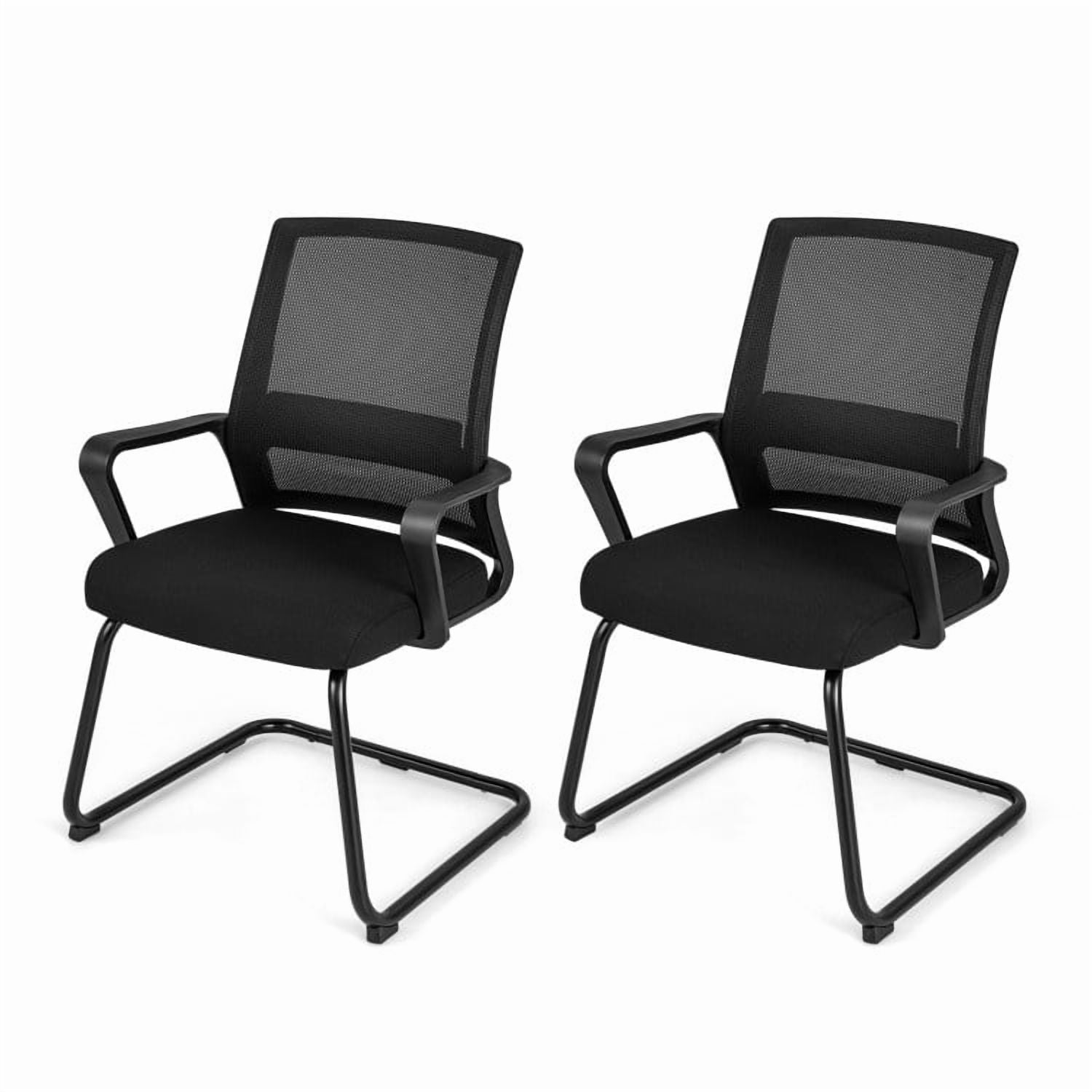
- Modern & Minimalist: Sleek lines, metal frames, and mesh backs project a contemporary, tech-forward image. Perfect for startups, design firms, or modern law offices.
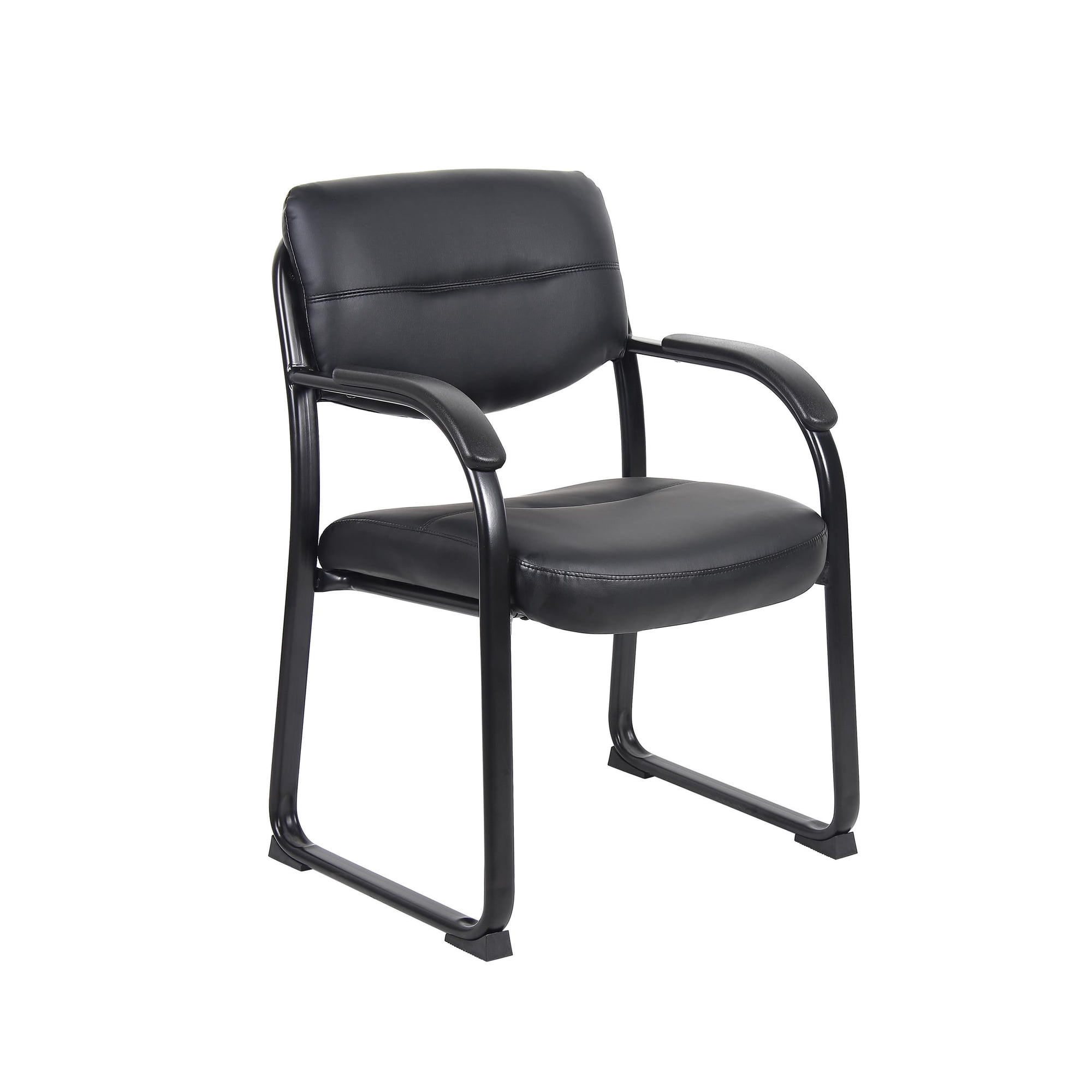
- Classic & Traditional: Rich wood tones, plush upholstery in leather or high-end fabric, and curved backs convey stability, tradition, and luxury. Ideal for banks, legacy corporations, or executive waiting areas.
- Casual & Collaborative: Bright colors, soft fabric, and unique shapes can make a creative agency or a co-working space feel inviting and energetic. Think of chairs as an extension of your company culture.
Analogy: Choosing a chair's aesthetic is like choosing the right outfit for a meeting. You wouldn't wear jeans to a pitch with a conservative client, just as you wouldn't put ultra-modern, brightly colored plastic chairs in a hushed, traditional law firm. The chair sets the tone.
Durability: Built for the Public Eye
An office customer chair endures a different kind of wear and tear than a personal desk chair. It faces constant use from a variety of body types, occasional spills, and the general hustle and bustle of a public area. Durability is paramount.
- Frame Construction: Look for chairs with frames made from solid hardwood, steel, or heavy-gauge aluminum. These materials resist warping and breakage over time. Avoid chairs with frames made entirely of cheap plastic.
- Upholstery Grade: For commercial use, opt for fabrics rated with a high "double rub" count (over 30,000 for heavy traffic). This measures abrasion resistance. For leather, look for top-grain or bonded leather specifically designed for contract use, as it's treated to be more durable than residential leather.
- Base and Casters/Glides: A sturdy five-star base offers maximum stability. If the chairs will be moved frequently, choose durable, non-marking casters suitable for your floor type. For stationary seating in a waiting room, felt or rubber glides protect the floor and prevent sliding.
Guest Comfort: The Welcoming Factor
While guests don't sit for eight hours, a comfortable seating experience is crucial. An uncomfortable chair can make a 10-minute wait feel like an eternity, souring their mood before their meeting even starts.
- Seat Cushioning: High-density foam cushioning provides the best balance of initial comfort and long-term support, resisting sagging. Look for a seat depth that accommodates a range of body sizes—typically 18-20 inches.
- Back Support: Even for short periods, lumbar support matters. A chair with a gently contoured backrest promotes better posture and prevents that "slouching" feeling. Mesh backs offer breathability, which is a plus for comfort in warmer climates or during longer meetings.
- Armrests vs. Armless: As highlighted in our FAQ, this depends on use. Armrests provide a place to rest, which many find more comfortable. However, armless chairs are more space-efficient and versatile, easily tucking under tables.
Statistic: According to a survey by the American Society of Interior Designers (ASID), 68% of respondents said that the comfort of the seating in a reception area significantly influenced their overall impression of the company.
2. Matching the Chair to the Environment
The best office customer chair for a bustling medical office will be different from the ideal chair for a serene executive suite. Context is everything.
The Reception or Waiting Area
- Primary Goal: Welcome and reassure. Create a positive first impression.
- Best Choices: Consider a mix of single sofas and side chairs for variety. Materials should be commercial-grade and easy to clean (e.g., performance fabric, PU leather). Chairs with a slightly higher back offer a sense of privacy and support. Armless designs or those with slim arms maximize seating capacity in tighter spaces.
- Pro Tip: If space allows, include a small side table between a few chairs for guests to place a bag, phone, or a magazine.
The Conference or Meeting Room
- Primary Goal: Facilitate focus and collaboration. Chairs here are used for 1-2 hour meetings.
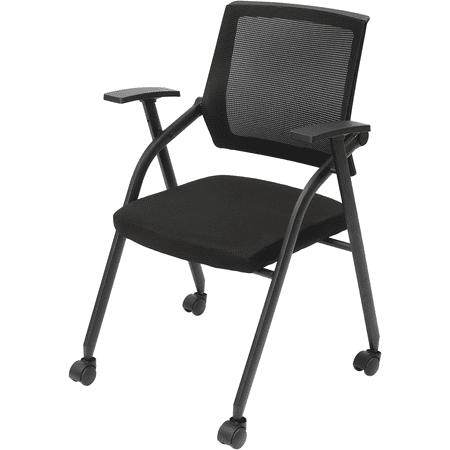
- Best Choices: Conference chairs often feature casters for easy movement around the table. They need a clean, professional look that matches the table's aesthetic. Mid-back chairs with armrests are a standard choice, providing good support without being overly bulky. Consider stacking chairs if the room serves multiple purposes.
- Pro Tip: Ensure the seat height is appropriate for your conference table (typically 17-19 inches from floor to seat).
The Private Office (for Guests)
- Primary Goal: Project authority and status while providing comfort for one-on-one discussions.
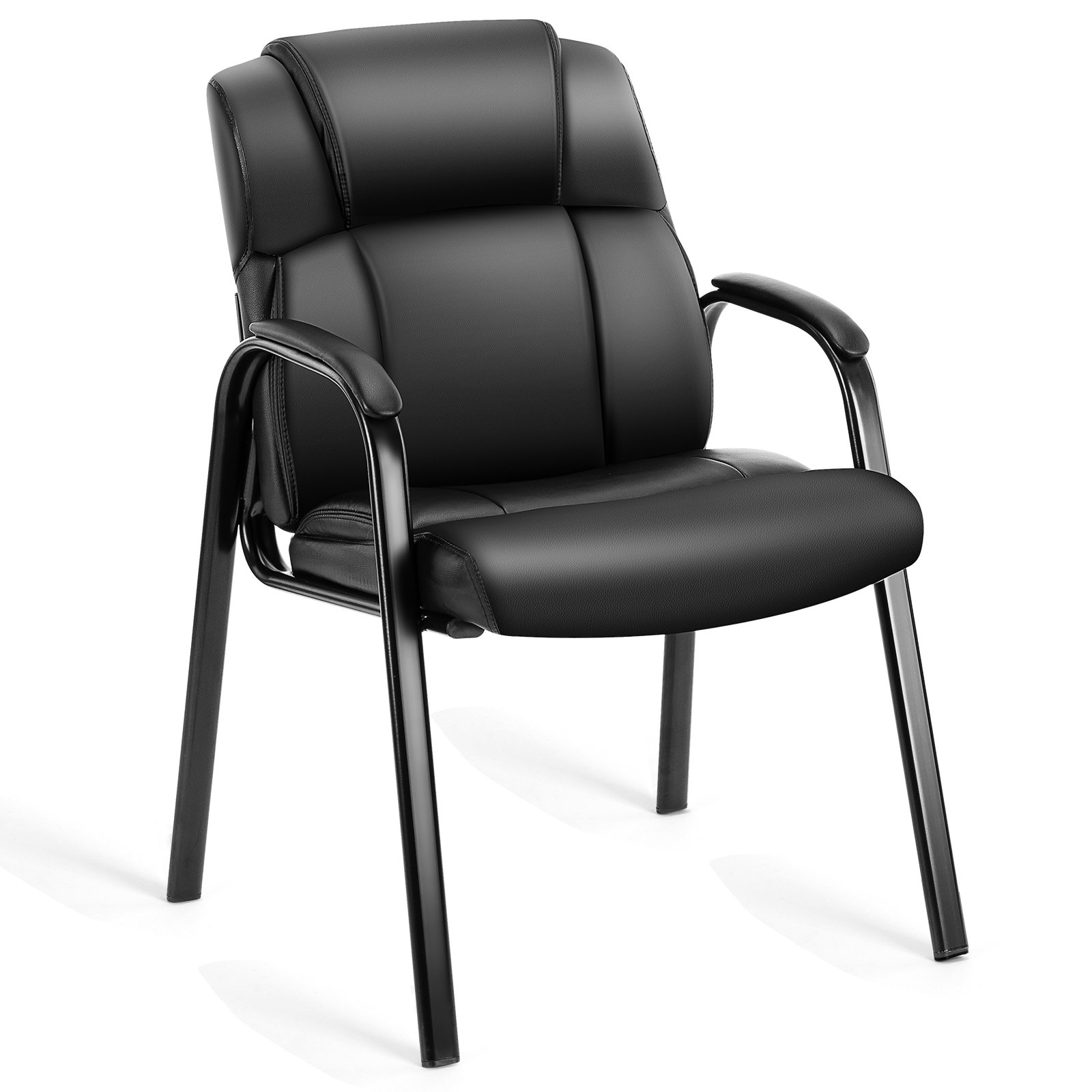
- Best Choices: This is where you can invest in premium materials like top-grain leather or designer fabric. A chair with a more substantial frame and perhaps a slightly higher back can create a powerful and comfortable experience for the guest. A club chair style can make the conversation feel more personal and less transactional.
- Pro Tip: Choose a chair that visually balances with the executive's task chair. It should be complementary, not subordinate, in style and quality.
3. Material Considerations for Office Customer Chairs
Just like with executive chairs, the material of your guest seating dictates its look, feel, and longevity. Here’s a quick guide tailored to customer-facing environments.
Commercial-Grade Fabric
Best For: High-traffic areas, creative offices, spaces needing color and pattern.
- Advantages: Vast selection of colors and textures, comfortable, breathable, and can be treated for stain resistance. Modern solution-dyed fabrics are incredibly colorfast and durable.
- Considerations: Can absorb spills if not treated, may require professional cleaning over time.
Polyurethane (PU) Leather / Faux Leather
Best For: Medical offices, reception areas, budget-conscious but professional settings.
- Advantages: Extremely easy to wipe clean, looks professional, more affordable than real leather, and offers good durability for commercial use.
- Considerations: Not as breathable as fabric or mesh. Lower-quality PU can peel over time, so investing in a mid-to-high-grade option is wise.
Mesh
Best For: Modern offices, tech companies, warmer climates, conference rooms.
- Advantages: Excellent breathability, lightweight, modern aesthetic, and durable. Often used on the backrest to provide flexible support.
- Considerations: Seat is often still padded with foam and fabric. The mesh back can sometimes collect dust.
Wood
Best For: Executive offices, traditional settings, break rooms (as an accent).
- Advantages: Timeless elegance, durable, and can add warmth to a space. Often combined with upholstered seats for comfort.
- Considerations: Hard surfaces are less comfortable for long periods. Requires care to avoid scratches and scuffs.
4. Practical Features and Smart Considerations
Beyond the basics, some practical features can significantly enhance the functionality of your office customer chairs.
- Stackability: For multi-purpose rooms, training facilities, or auditoriums, stackable chairs are a game-changer. They can be neatly stored away to free up floor space.
- Ganging Clips: These handy clips connect chairs in a row, keeping them aligned and organized in waiting areas. This prevents chairs from drifting out of place and creates a tidy, professional look.
- Warranty: Always check the warranty. A good commercial-grade office customer chair will come with a multi-year warranty (e.g., 5-10 years) on the frame and mechanism, demonstrating the manufacturer's confidence in its durability.
Selecting the right office customer chair is a decision that blends practical necessity with brand strategy. It’s about understanding the silent conversation your furniture has with every visitor. By focusing on the interplay of aesthetics, durability, and comfort, and by matching the chair to its specific environment, you can create a space that feels professional, welcoming, and unmistakably "you."