
Why You Need the Right Castors for Carpet
If you've ever struggled to roll your office chair across a thick carpet, you know the frustration. Standard hard plastic castors are designed for hard floors, and they simply don't perform well on carpet. They dig in, create resistance, and can even damage your carpet fibers over time. Upgrading to the right office chair castors for carpet transforms your workspace experience.
Key Insight: According to a study by the Human Factors and Ergonomics Society, using appropriate castors can reduce the physical effort required to move a chair by up to 40%, decreasing strain on your back and shoulders. Choosing the right wheels is not just about convenience—it's about your health and productivity.
Types of Castors for Carpet
Not all castors are created equal. Understanding the different types will help you make the best choice for your office setup.
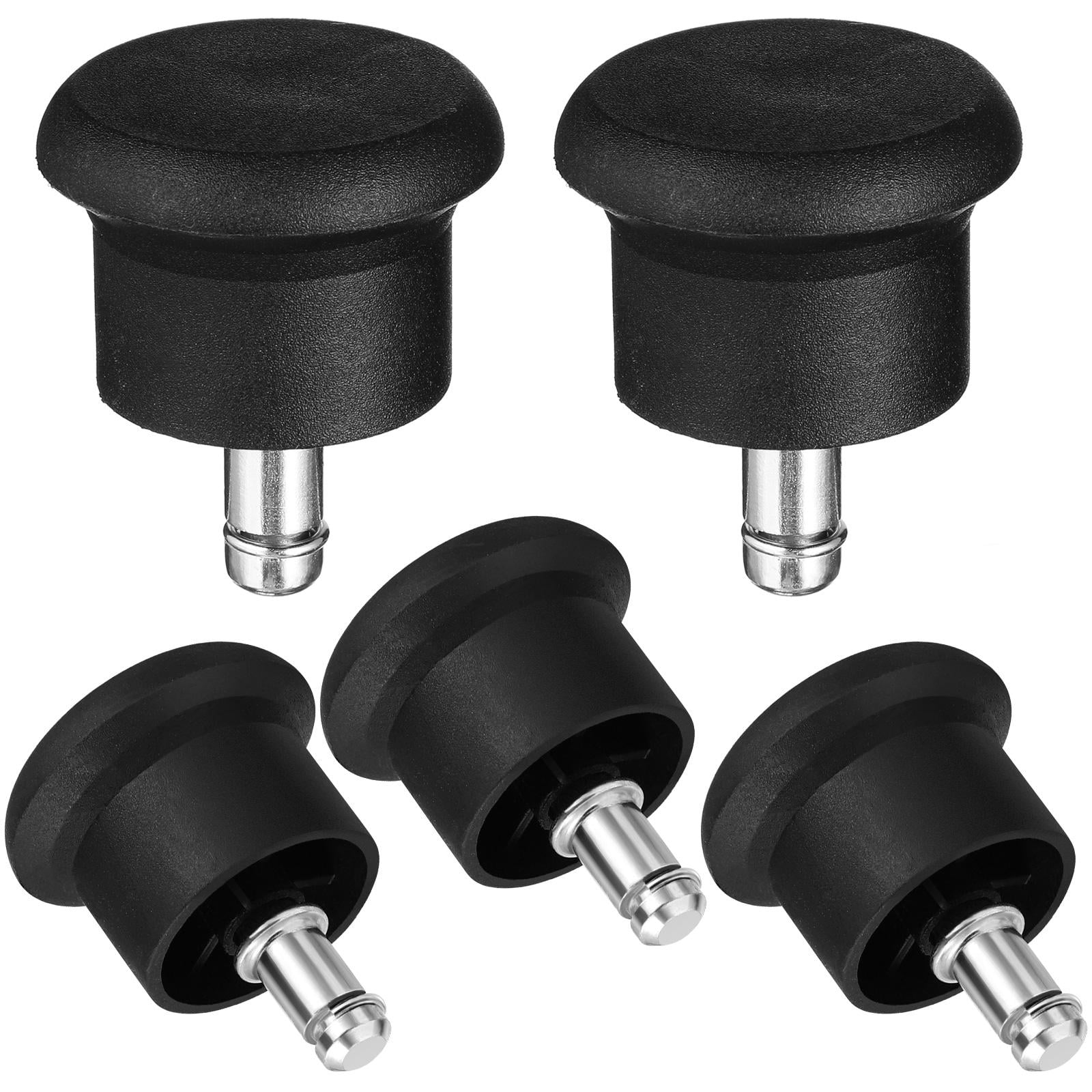
- Standard Carpet Castors: These usually feature a soft polyurethane or rubber tread. The softer material provides better grip and smoother rolling on carpet, while also being quieter than hard plastic.
- Rollerblade-Style Castors: Inspired by inline skate wheels, these have a larger diameter (typically 2.5 to 3 inches) and a soft, high-rebound urethane material. They are excellent for plush carpets, as the larger wheel bridges the fibers and rolls with minimal effort.
- Hooded Castors: These come with a protective hood that helps prevent carpet fibers from getting tangled in the wheel axle. They are a great choice for high-pile or shag carpets.
- Dual-Wheel Castors: These have two small wheels side-by-side, which distributes weight more evenly. This can be beneficial for very soft carpets, reducing indentations and making rolling easier.
Choosing the Right Castors: A Quick Guide
Selecting the perfect castor depends on several factors. Here's a breakdown:
| Carpet Type | Recommended Castor Type | Key Benefits |
|---|---|---|
| Low-Pile / Berber | Standard Soft Polyurethane | Smooth rolling, protects carpet, budget-friendly |
| Medium-Pile | Rollerblade-Style or Hooded | Effortless movement, reduces wear, quieter |
| High-Pile / Plush | Large Rollerblade-Style (3 inch) | Bridges deep fibers, minimal resistance, excellent durability |
| Heavy Users (250+ lbs) | Dual-Wheel or Heavy-Duty Rollerblade | Even weight distribution, prevents sinking, long-lasting |
Benefits of Upgrading Your Chair Castors
Switching to the right castors is one of the most cost-effective upgrades you can make to your office chair. Here are the key benefits:
Effortless Mobility
Glide across your carpet without straining. Move easily between different work areas.
Floor Protection
Prevent unsightly indentations and wear on your carpet, extending its life.
Reduced Noise
Soft materials eliminate the rattling and squeaking typical of hard plastic wheels, especially on carpet.
Enhanced Productivity
Reduce physical distractions so you can focus on your work, not on struggling to move your chair.
In-Depth: Castor Material and Construction
The material of your castor is the most important factor in performance. Let's explore the options.
Advantages
- Polyurethane: Excellent durability, quiet operation, and provides a smooth roll. Great for most carpet types.
- Rubber: Offers superior grip and shock absorption. Ideal for very soft carpets.
- Nylon with Soft Tread: Combines a durable core with a soft outer layer for the best of both worlds.
- Large Diameter: Easier to roll over thick carpet and small obstacles.
Considerations
- Hard Plastic: Avoid these for carpet. They offer poor grip and can damage fibers.
- Small Diameter: Can get stuck or require more effort on high-pile carpets.
- Metal Castors: Not recommended for carpet, as they can scratch and damage it.
- Cheap Materials: May wear down quickly or crack, especially under heavy use.
Step-by-Step: How to Choose and Install
Step 1: Assess Your Carpet and Chair
- Carpet Type: Is it low, medium, or high pile? The deeper the pile, the larger and softer your castors should be.
- Chair Weight: Consider your weight plus the chair's weight. Heavier users need more durable castors.
- Existing Castors: Check if they are removable. Most standard chairs have push-fit or threaded stems.
Step 2: Choose the Right Castor
Choose soft polyurethane wheels (2-2.5 inch diameter).
Opt for rollerblade-style or hooded castors (2.5-3 inch diameter).
Select larger rollerblade-style wheels (3 inch) for best performance.
Choose dual-wheel or high-capacity rollerblade castors rated for your weight.
Step 3: Installation Tips
Replacing castors is usually a simple DIY task. Here's how:
- 1. Carefully tip your chair over, supporting it to avoid damaging the backrest.
- 2. Pull out the old castors. For push-fit stems, a firm pull is usually enough. For threaded, unscrew them.
- 3. Insert the new castors by pushing or screwing them into place. Ensure they are fully seated.
- 4. Test the chair on your carpet to ensure smooth movement.
Frequently Asked Questions About Office Chair Castors for Carpet
Conclusion: Roll Smoothly, Work Better
Your office chair should be a tool for productivity, not a source of frustration. Upgrading to the right office chair castors for carpet is a simple, affordable change that can have a significant impact on your daily work life. By protecting your carpet, reducing noise, and making movement effortless, you create a more comfortable and efficient workspace.
Quick Summary & Recommendations
Medium-pile carpet? Choose rollerblade-style castors for the best balance of performance and cost.
If you have plush carpet, invest in large diameter (3-inch) soft castors to glide with ease.
Standard soft polyurethane castors are a great upgrade over hard plastic and won't break the bank.
Don't let your chair hold you back. Upgrade your castors and experience the difference. If you have any further questions, feel free to explore our other guides or reach out to us.