
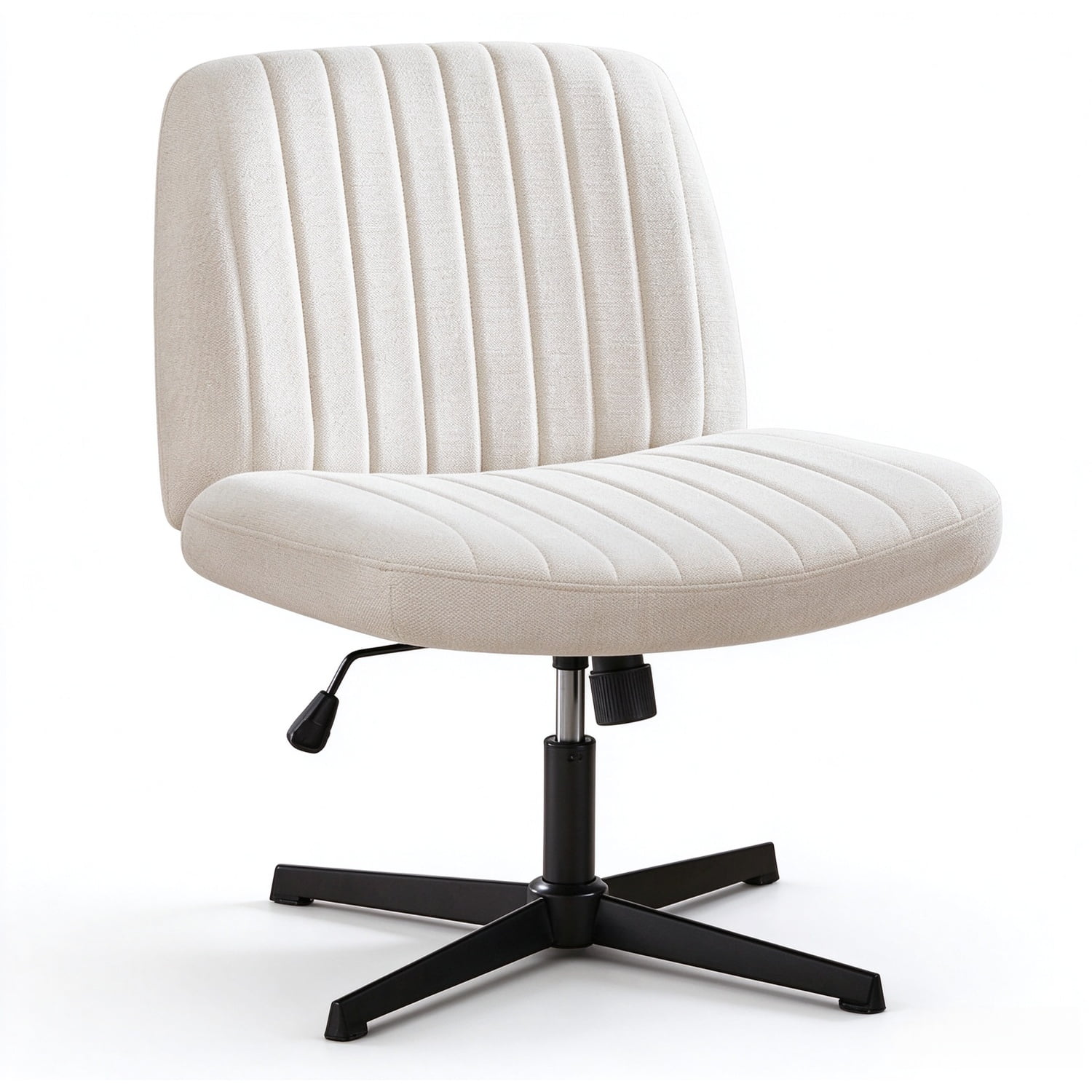
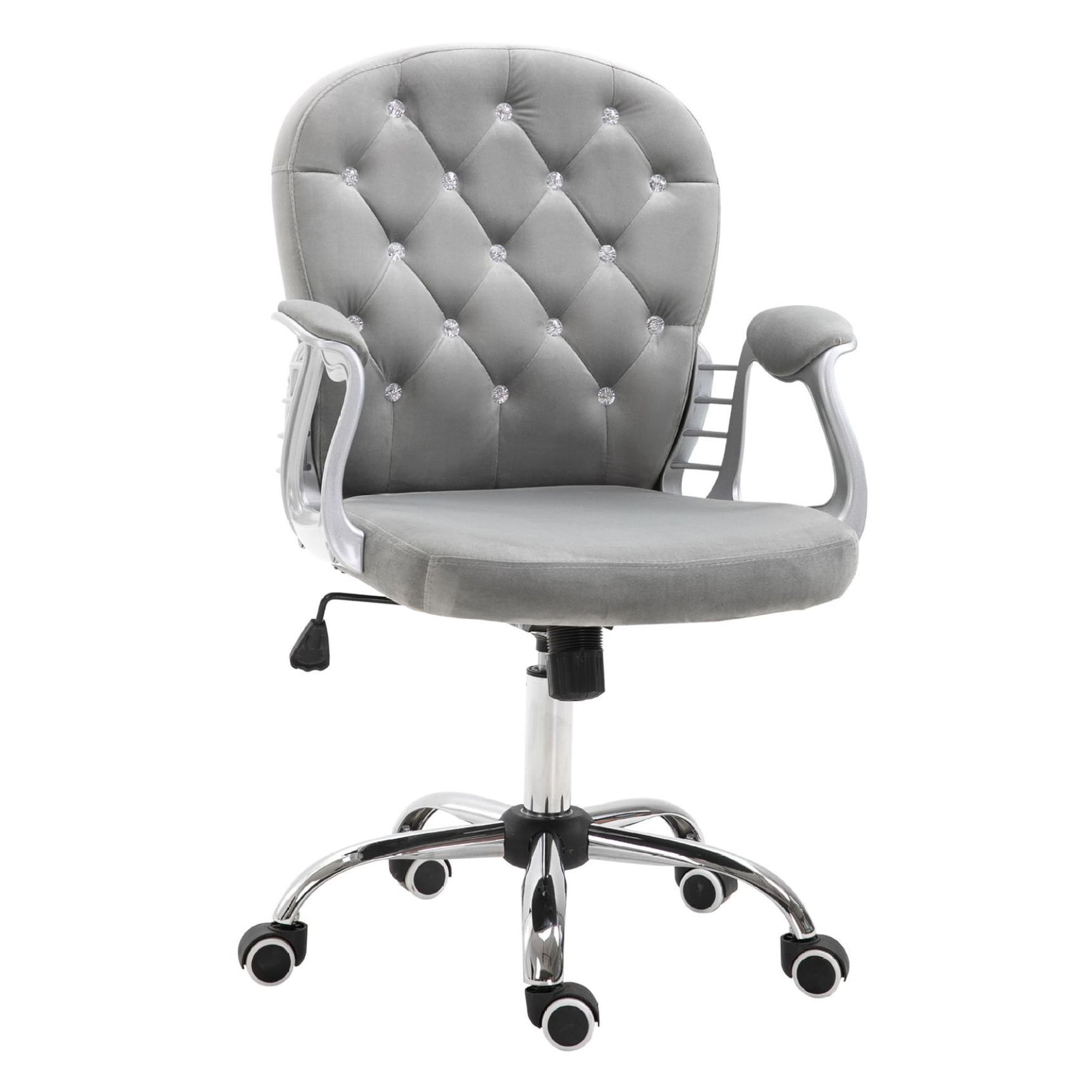
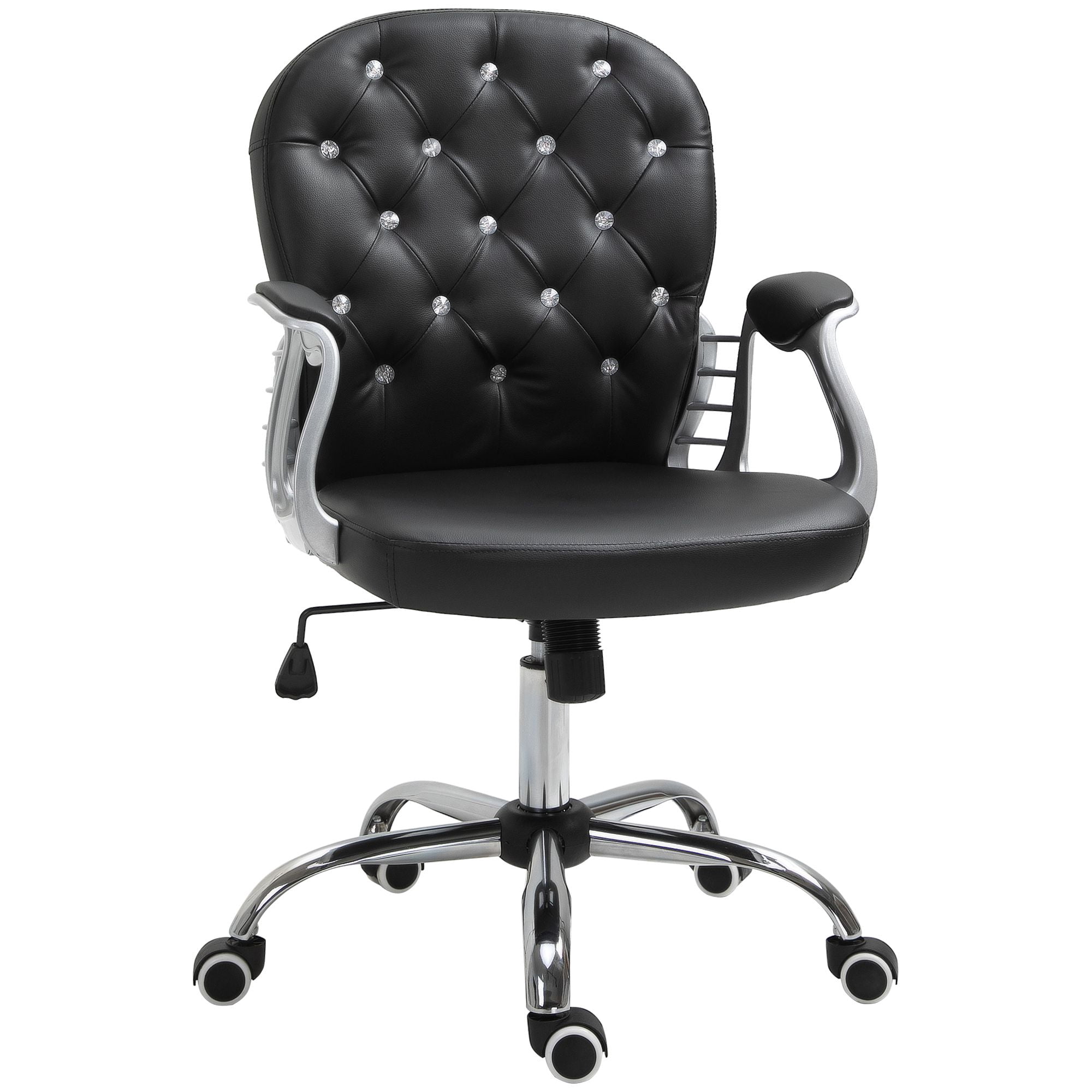
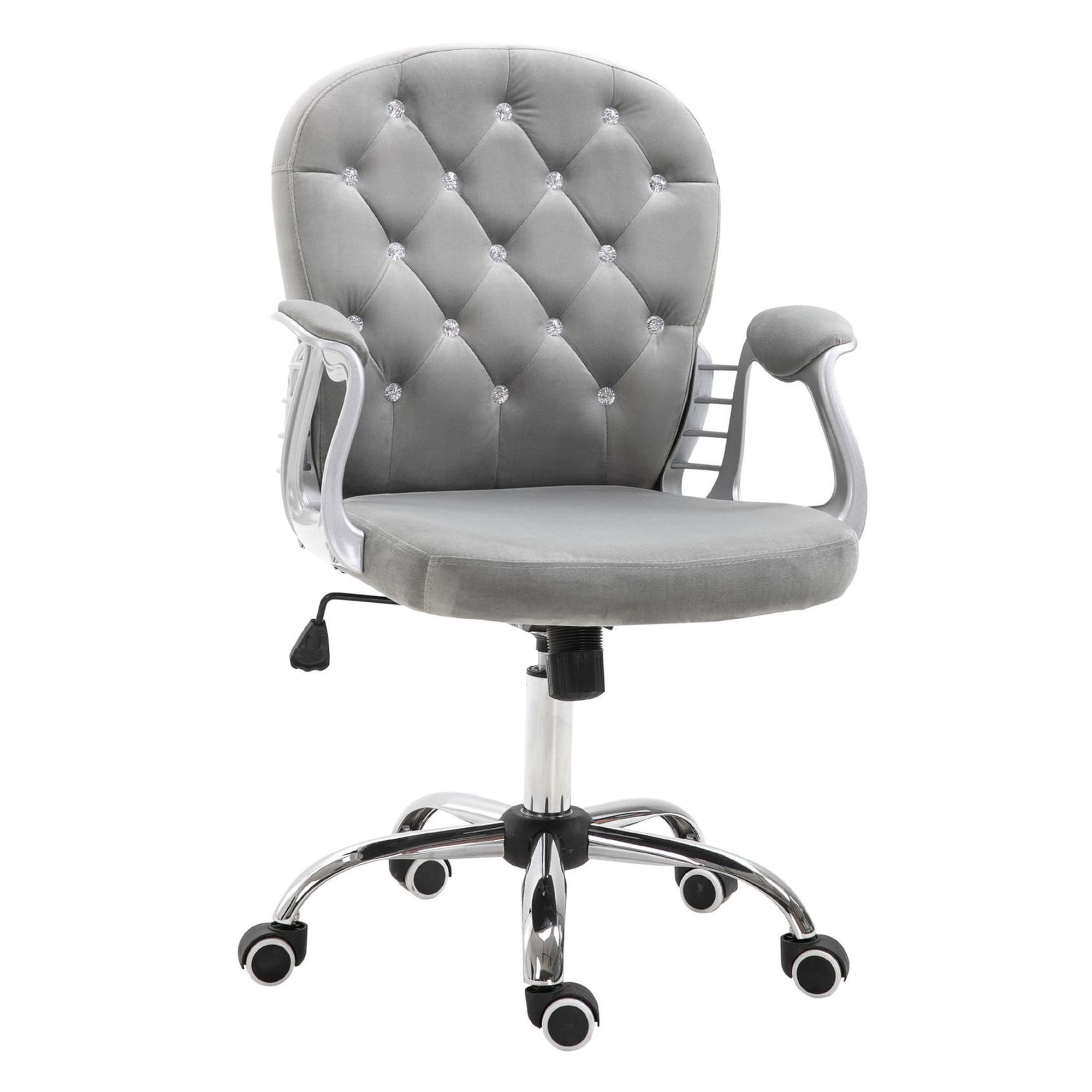
Why Choose a Tufted Office Chair Without Wheels?
A tufted office chair no wheels is more than just a seating option—it's a statement of classic style and enduring quality. Unlike standard rolling chairs, these stationary pieces anchor your workspace with stability and sophistication. The button-tufted backrest and seat are hallmarks of traditional craftsmanship, often associated with executive offices, law firms, and high-end reception areas.
Design Insight: The tufting technique, also known as buttoning, not only adds visual depth and texture but also serves a functional purpose by securing the upholstery padding in place, preventing it from shifting and maintaining a luxurious, tailored appearance over years of use.
Key Benefits of Stationary Tufted Chairs
While many modern offices prioritize mobility, there are compelling reasons to choose a stationary tufted chair for your executive or home office:
- Timeless Aesthetic: The tufted design conveys elegance, tradition, and authority. It never goes out of style and complements both classic and contemporary interiors.
- Superior Stability: Without wheels, these chairs offer a solid, grounded feeling. You won't accidentally roll away from your desk, and they provide excellent stability when leaning back.
- Floor Protection: Stationary chairs with wooden or capped metal legs are gentle on hardwood, tile, and carpeted floors, eliminating scratches and scuffs caused by casters.
- Durability: Fewer moving parts (no casters or swivel mechanisms in some models) mean less wear and tear. A well-constructed tufted chair can last for decades with proper care.
- Furniture-Grade Quality: These chairs are often built with higher-quality materials and joinery, resembling fine furniture rather than generic office seating.
Tufted Office Chair vs. Standard Executive Chair
| Feature | Tufted Chair (No Wheels) | Standard Executive Chair (With Wheels) |
|---|---|---|
| Mobility | Stationary, stays in place | Mobile, easy to move around |
| Aesthetic | Classic, elegant, furniture-grade | Modern, functional, task-oriented |
| Floor Impact | No scratches from wheels | May scratch floors unless using special casters |
| Typical Use | Executive offices, reception, home studies | General workstations, active environments |
| Longevity | Often longer due to simpler mechanics | Wheels and gas lifts may wear out |
Health & Ergonomics of Stationary Seating
While mobility is beneficial for some tasks, a stationary tufted chair encourages a more focused posture. Without the temptation to roll around, you're more likely to maintain a centered, balanced position at your desk. Many tufted chairs are designed with:
Fixed Posture
Encourages a stable, upright sitting position, reducing slouching and fidgeting.
Lumbar Support
Many models include built-in lumbar padding that supports the natural curve of your spine.
Wide Seat
Tufted chairs often have generously proportioned seats that accommodate various body types.
Armrest Comfort
Padded or wood armrests provide support for your forearms, reducing shoulder strain.
Materials Matter: Choosing the Right Upholstery
The material you choose for your tufted chair affects its look, feel, and durability. Here's a quick guide:
Leather Tufted Chairs
- Pros: Durable, ages beautifully, easy to clean, professional look.
- Cons: Higher cost, can be warm in summer, requires conditioning.
- Best for: Traditional executive offices, client-facing environments.
Fabric & Velvet Tufted Chairs
- Pros: Soft, warm, wide range of colors, cost-effective.
- Cons: Stains more easily, may attract dust, less durable than leather.
- Best for: Creative offices, home studies, adding a pop of color.
Ultimate Guide to Choosing Your Tufted Office Chair No Wheels
Selecting the perfect stationary tufted chair involves balancing aesthetics, comfort, and functionality. Follow this practical guide to make an informed decision.
Step 1: Define Your Space and Style
- Office Theme: Does your office have a classic, mid-century, or modern look? Choose a chair that complements your existing furniture.
- Color Palette: Leather in black, brown, or burgundy exudes tradition. Velvet in jewel tones (emerald, navy) adds a contemporary twist.
- Size and Scale: Measure the available space. A large tufted chair can overwhelm a small room, while a compact model might look lost in a spacious executive suite.
Step 2: Assess Comfort Needs
Step 3: Evaluate Construction Quality
- Frame: Solid hardwood or kiln-dried wood frames are more durable than particleboard or plastic.
- Legs: Look for legs with a sturdy design—tapered wooden legs offer elegance, while metal legs provide industrial strength.
- Tufting Detail: Even, tight buttons indicate quality craftsmanship. Loose buttons or uneven folds are signs of poor construction.
- Weight Capacity: Always check the manufacturer's weight limit to ensure it meets your needs. Most quality models support 250-350 lbs.
Step 4: Budget Considerations
Entry Level
Basic fabric tufted chairs with moderate comfort.
Mid-Range
Better materials, sturdy frames, and more design options.
Premium
Top-grain leather, solid wood, and exceptional craftsmanship.
Luxury
Custom upholstery, premium hardwoods, and heirloom-quality.
Frequently Asked Questions About Tufted Office Chairs Without Wheels
Conclusion & Final Recommendations
A tufted office chair without wheels is an investment in timeless style and lasting comfort. It anchors your workspace with elegance and provides a stable, focused seating experience that many executives prefer. Whether you opt for rich leather or plush velvet, the tufted design signals attention to detail and a respect for tradition.
Our Top Picks by Use Case
Choose a leather tufted chair with a high back and solid wood legs in dark mahogany or walnut. This combination offers unmatched sophistication and durability.
Opt for a velvet tufted chair in a bold color like emerald green or navy blue with sleek metal or black wooden legs. This creates a stylish, contemporary focal point.
Select a mid-back tufted chair with a durable fabric that resists stains. Match the design to your brand colors to create a cohesive and welcoming environment.