
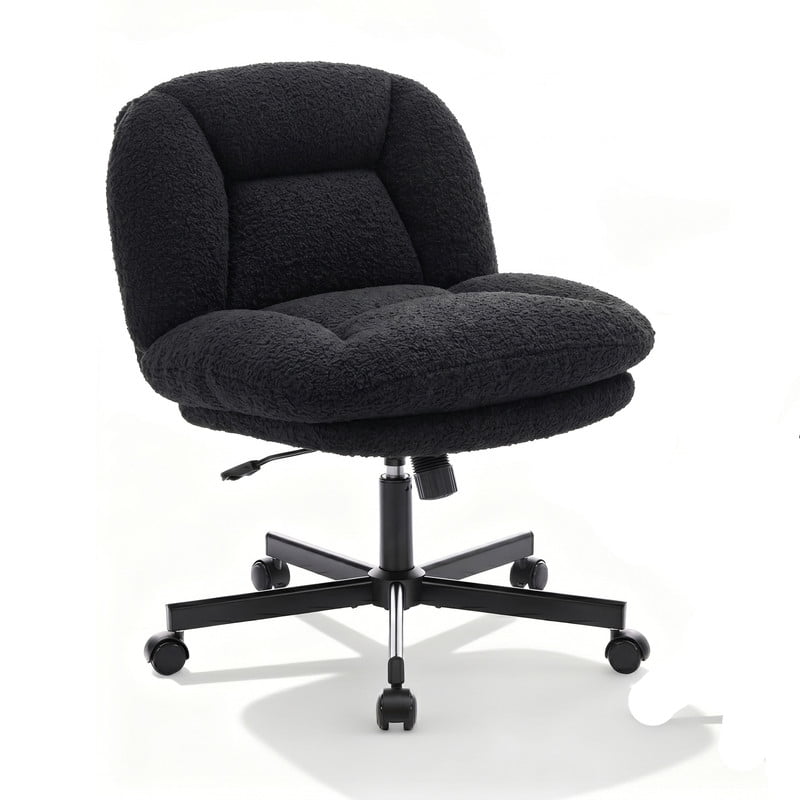
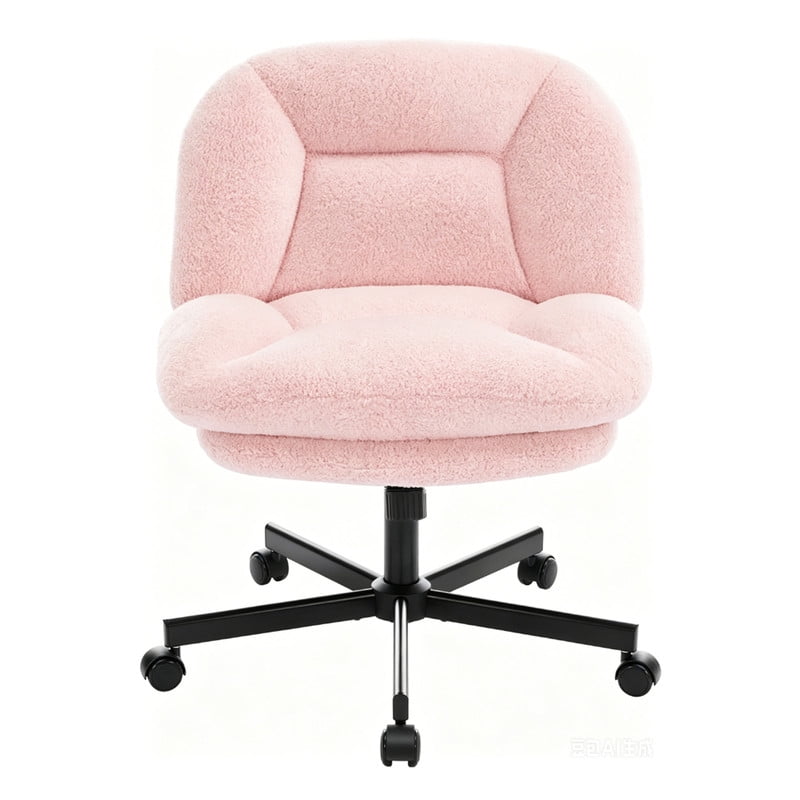
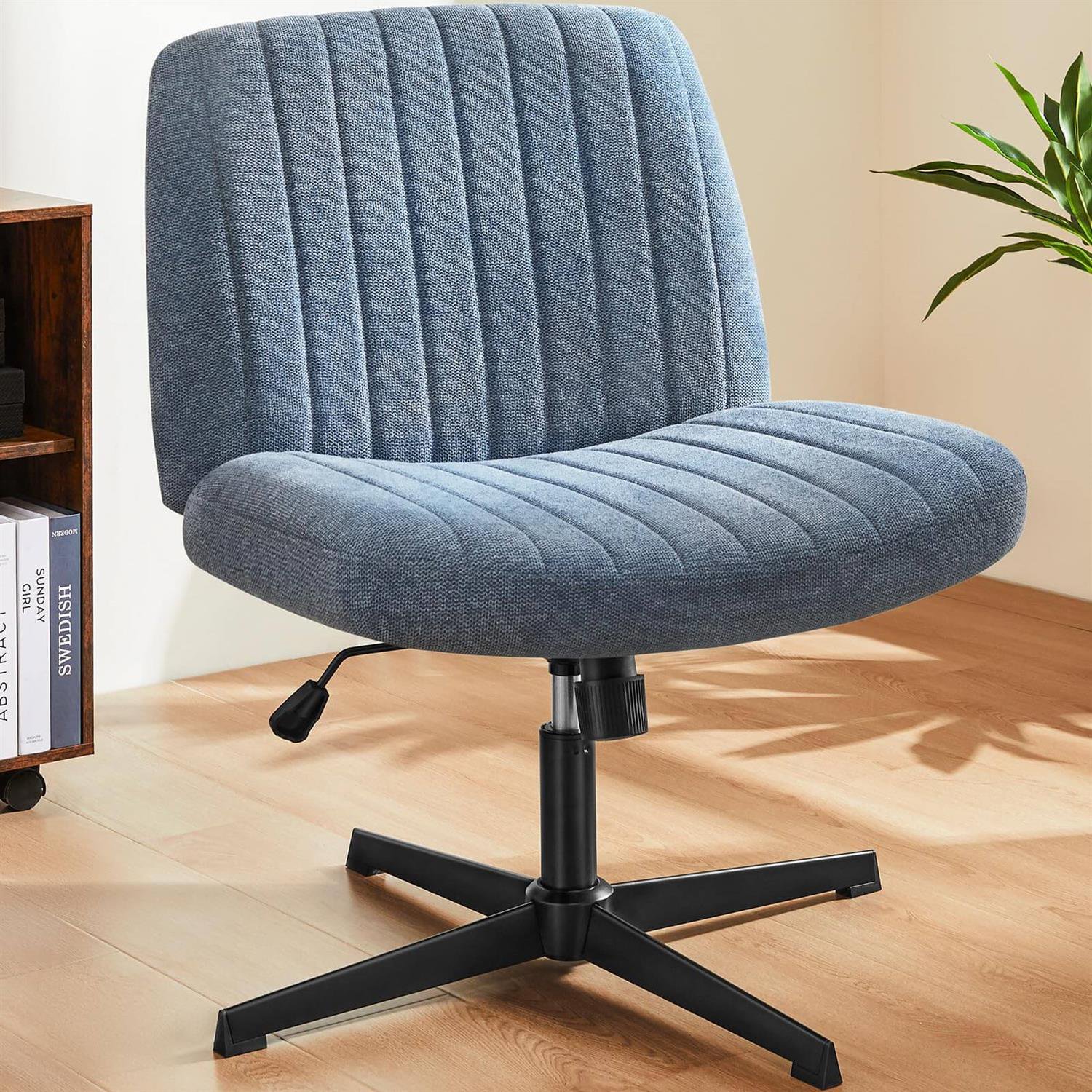
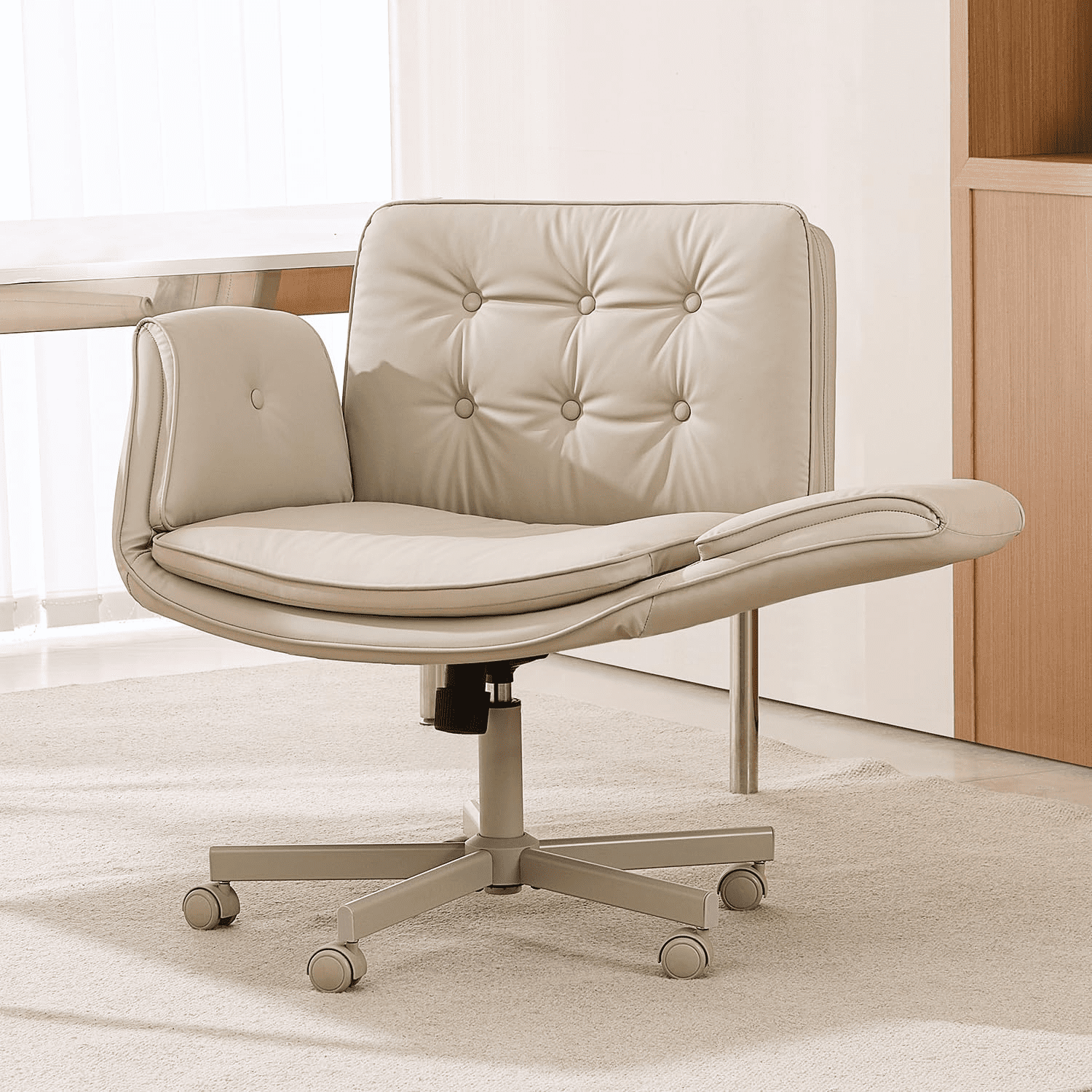
Why You Need an Office Chair for Sitting Cross-Legged
For many people, sitting cross-legged in an office chair is the most comfortable and natural way to work. It's a posture that can help you feel grounded, focused, and relaxed. However, standard office chairs are often designed with narrow seats, bucket-style cushions, and fixed armrests that make this position impossible or uncomfortable. That's where a specialized chair comes into play.
Did You Know? A study published in the journal "Applied Ergonomics" suggests that sitting in a chair that allows for varied postures, including cross-legged sitting, can reduce musculoskeletal discomfort and improve blood flow compared to a fixed, rigid posture. Having the right chair is key to reaping these benefits.
The Key Features of a Cross-Legged Office Chair
To enjoy a comfortable cross-legged sitting experience, your office chair must have specific design elements. These aren't just nice-to-haves; they are essential for comfort and long-term health.
- Wide, Flat Seat Cushion: This is the most critical feature. A wider seat (typically 20 inches or more) provides ample surface area for your legs to rest comfortably without feeling cramped or falling off the edges. The cushion should be flat, not contoured like a bucket seat, to allow your legs to position naturally.
- Adjustable or Flip-Up Armrests: Traditional armrests often get in the way when you sit cross-legged. Look for chairs with 3D or 4D adjustable arms that can be moved outwards and upwards, or flip-up armrests that can be pushed completely out of the way.
- Sturdy and Wide Base: Sitting cross-legged shifts your center of gravity. A wide, five-point base with durable casters provides stability and prevents the chair from tipping over, especially when you shift your weight.
- Appropriate Seat Height: While sitting cross-legged, your center of gravity is lower. A chair with a wide height adjustment range ensures you can set it at a level where your knees are comfortable and you can easily transition to other sitting positions.
- Easy-to-Use Tilt Mechanism: Being able to tilt the chair back slightly can make a big difference in comfort for your lower back and hips while you are in a cross-legged position.
Benefits Beyond Comfort
Choosing the right chair for cross-legged sitting offers more than just physical comfort. It can positively impact your work and overall well-being.
Improved Focus
When you are physically comfortable, you can concentrate better on your tasks. A chair that supports your preferred posture reduces distractions from discomfort.
Enhanced Flexibility
Sitting cross-legged encourages hip and pelvic mobility. A chair designed for this helps you maintain and improve flexibility, potentially reducing stiffness.
Better Posture
For many, sitting cross-legged encourages a more upright and aligned spine compared to slouching with legs straight forward. The right chair supports this improved posture.
Long-Term Health
By allowing you to change positions easily and sit in a way that feels natural, these chairs can help prevent chronic back pain and other issues associated with prolonged, static sitting.
What to Look For: A Detailed Checklist
| Feature | Why It Matters for Cross-Legged Sitting | Ideal Specification |
|---|---|---|
| Seat Width | Provides enough space for both legs to rest comfortably side-by-side. | At least 20-22 inches |
| Seat Depth | Allows your legs to rest fully without putting pressure on the back of your knees. | 18-20 inches (adjustable is best) |
| Armrests | Should be adjustable or flip up to not interfere with the position of your legs. | 3D/4D adjustable or flip-up |
| Seat Cushion | Should be flat and firm to support the weight of your legs. | High-density foam, flat profile |
| Base & Casters | A wide base prevents tipping, good casters allow for smooth movement. | Five-point base, dual-wheel casters for stability |
| Weight Capacity | Ensures durability and safety, especially if you shift your weight. | Recommended 300 lbs or more |
Step-by-Step Guide to Finding Your Perfect Chair
Follow this simple guide to ensure you make the right choice. Investing time in this process will pay off in comfort and productivity.
Step 1: Measure Your Current Sitting Space
- Seat Width: Measure the width of your hips or thighs when you sit cross-legged. This will give you a baseline for the minimum seat width you need.
- Desk Height: Measure the height of your desk from the floor. This will help you determine the required height adjustment range of your chair.
- Available Space: Check the space under your desk. A cross-legged position often requires more clearance for your feet and legs.
Step 2: Define Your Use Case and Workspace
Workspace Scenarios
You need a chair that lets you settle into your cross-legged position and stay focused for hours. Prioritize a wide, comfortable seat.
If you often switch between cross-legged, forward-leaning, and standard postures, look for a chair with easy-to-use adjustment levers for seat depth and tilt.
Aesthetics might be more important. Look for a chair that fits your decor but still has the key functional features for cross-legged sitting.
If your chair needs to work for multiple people, a highly adjustable model is crucial so others can adjust it to their preferred sitting style, including cross-legged.
Step 3: Set a Realistic Budget
Chairs designed for this specific purpose can vary in price. A quality chair is a long-term investment in your health. Here's a general price guide:
Standard Entry
Basic chairs that offer a wider seat but may have limited adjustability. Look for models with flip-up arms.
Mid-Range
A sweet spot for quality. These chairs feature better lumbar support, more durable materials, and a wider range of adjustments.
Premium
High-end models from brands like Steelcase and Herman Miller. They are built to last and offer exceptional adjustability and support.
Custom/Luxury
Fully customizable chairs with premium materials, intricate adjustment systems, and unmatched comfort.
Step 4: The "15-Minute Test"
Pro Tip: When testing a chair, sit in your cross-legged position for at least 15 minutes. Pay attention to any pressure points on your legs, how your back feels, and whether the chair remains stable. Don't just sit in a standard position; test the posture you'll actually use.
Alternate Seating Options for Cross-Legged Comfort
While a dedicated chair is the best option, here are a few alternatives that can help you achieve a more comfortable cross-legged setup:
- Floor Chairs: If you prefer being even closer to the ground, a floor chair with back support can be an excellent option for cross-legged sitting. It forces you to sit in a natural posture and promotes core engagement.
- Kneeling Chairs: These chairs position your body in a way that opens up the hip angle, which can be beneficial for cross-legged sitters. While not the same posture, they share the benefit of improved pelvic alignment.
- Wide Seat Cushions: If you are happy with your current chair but need a wider surface, a high-quality, wide seat cushion can transform your chair into a cross-legged-friendly one.
Conclusion & Final Recommendations
Finding the right office chair for sitting cross-legged can dramatically improve your comfort, focus, and overall well-being. It's about finding a chair that adapts to your preferred posture, not forcing your body into an unnatural position. The best chair for you will depend on your body size, work habits, and environment.
Your Cross-Legged Sitting Journey
Look for a basic ergonomic chair with a wide seat and flip-up armrests. These are often available in the $300-$600 range.
Invest in a mid-range or premium chair (Steelcase, Herman Miller) that offers unparalleled adjustability and durability. Your back will thank you.
Find a chair that combines function with style. Many brands now offer stylish models with wide seats that fit seamlessly into modern home decor.
Top Recommendations by User Profile
| User Profile | Chair Type | Key Features to Prioritize | Budget Range |
|---|---|---|---|
| Petite Individual | Compact Wide-Seat Ergonomic Chair | Adjustable seat depth, flip-up arms, lower minimum seat height | $400 - $900 |
| Tall or Plus-Size | Big & Tall Wide Executive Chair | Extra wide seat (24"+), heavy-duty base, 400+ lb capacity | $700 - $1,500 |
| Active User | Task Chair with Advanced Adjustments | 4D armrests, synchronous tilt, breathable fabric or mesh | $600 - $1,200 |
| Executive/Guest | Luxury Leather Wide Chair | Premium leather, wide plush cushion, elegant design | $1,200 - $2,500 |