
Why Choose a Neutral Office Chair?
Imagine walking into your workspace and feeling an immediate sense of calm — no bright red plastic, no aggressive gaming lines, just soft curves and tranquil hues. That's the power of a neutral office chair. In recent years, interior designers and ergonomic experts have noticed a shift: professionals no longer want their chair to scream for attention; they want it to support them quietly and effectively. According to a 2023 survey by the American Society of Interior Designers, 68% of home office users prefer furniture in neutral tones because it reduces visual stress and makes small rooms appear larger.
But a neutral office chair isn't just about color. It's about creating a cohesive environment where function meets serenity. Whether you're furnishing a corporate headquarters or a cozy corner in your apartment, a chair in beige, dove grey, warm taupe, or off-white can anchor the room without overwhelming it. And the best part? You don't have to sacrifice ergonomics. Today's leading brands offer fully adjustable lumbar support, breathable mesh backs, and synchronized recline mechanisms wrapped in sophisticated neutral fabrics and leathers. This article walks you through everything you need to know before investing in a neutral office chair — from material choices to hidden ergonomic gems.
The Anatomy of a Perfect Neutral Office Chair
Unlike traditional office chairs that often come in black or bold accent colors, a neutral office chair prioritizes timelessness and adaptability. Let's break down the core components you should examine before clicking "buy."
1. Frame & Shell: Beyond the Color
The foundation of any good chair is its frame. For neutral models, manufacturers often use a combination of polished aluminum, matte white, or soft grey polypropylene. These materials not only support the chair's structure but also contribute to the light, airy aesthetic. Look for a five-star base — it ensures stability and is typically made of nylon or metal. A metal base (often in silver or matte black) adds durability without distracting from the neutral palette.
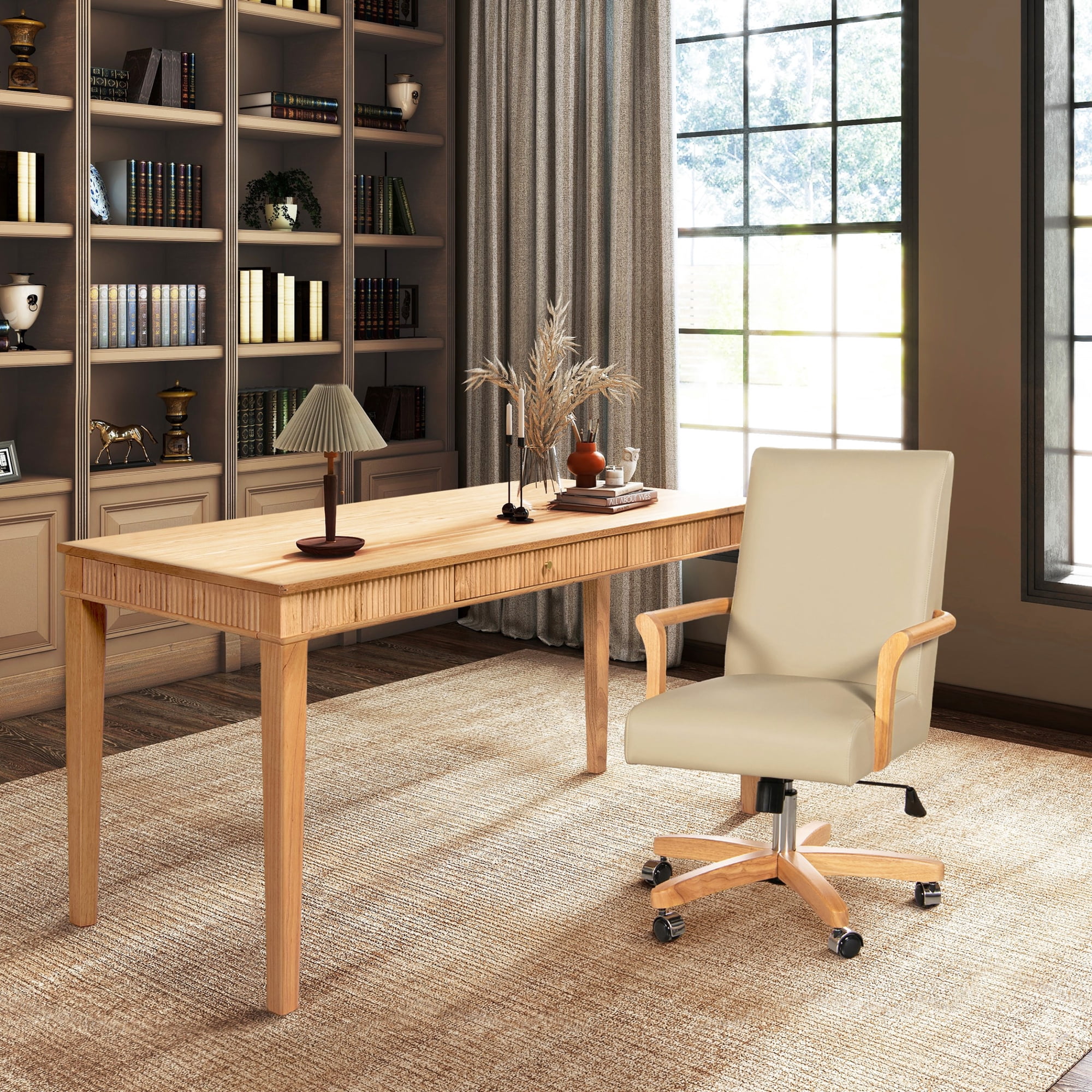
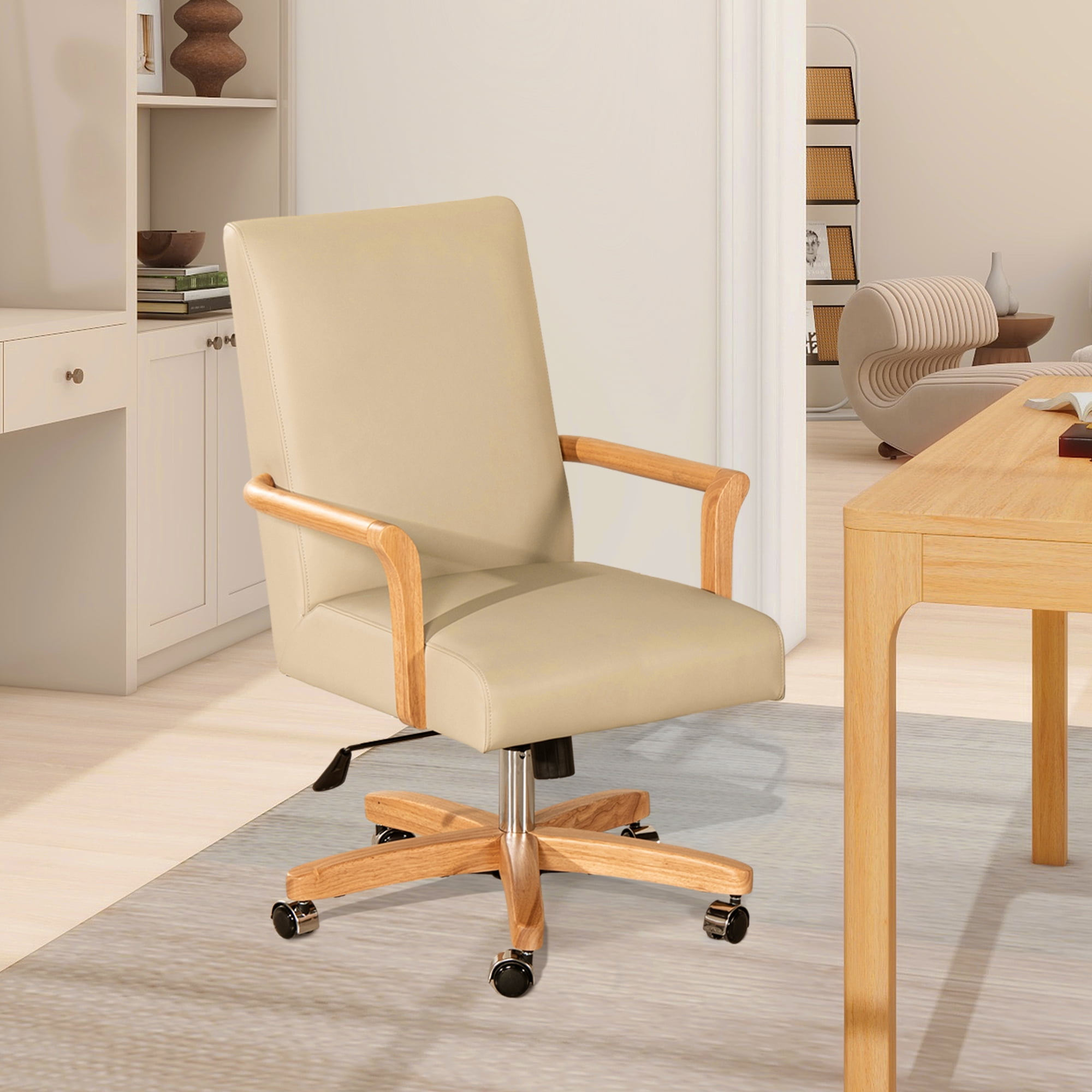
- Eco-friendly options: Some neutral chairs use recycled plastics or sustainable wood accents, blending beige tones with natural textures.
- Weight capacity: Even light-colored chairs can be heavy-duty. Seek models rated for at least 275 lbs if you want robust construction.
- Armrest design: Armrests in neutral chairs often feature soft PU padding in matching tones — adjustable 4D arms are available in grey or silver.
2. Upholstery Materials: Performance Meets Palette
Neutral doesn't mean delicate. Here's how common materials perform in light shades:
- Breathable mesh (grey, beige, white): Ideal for warm climates. High-quality mesh like that used by leading ergonomic brands is colorfast and resists stretching. A mesh back in light grey provides ventilation while maintaining a minimalist look.
- Fabric (linen, wool blends, performance polyester): Today's performance fabrics are treated to repel spills and resist fading. A cream or taupe fabric chair can look fresh for years with occasional vacuuming.
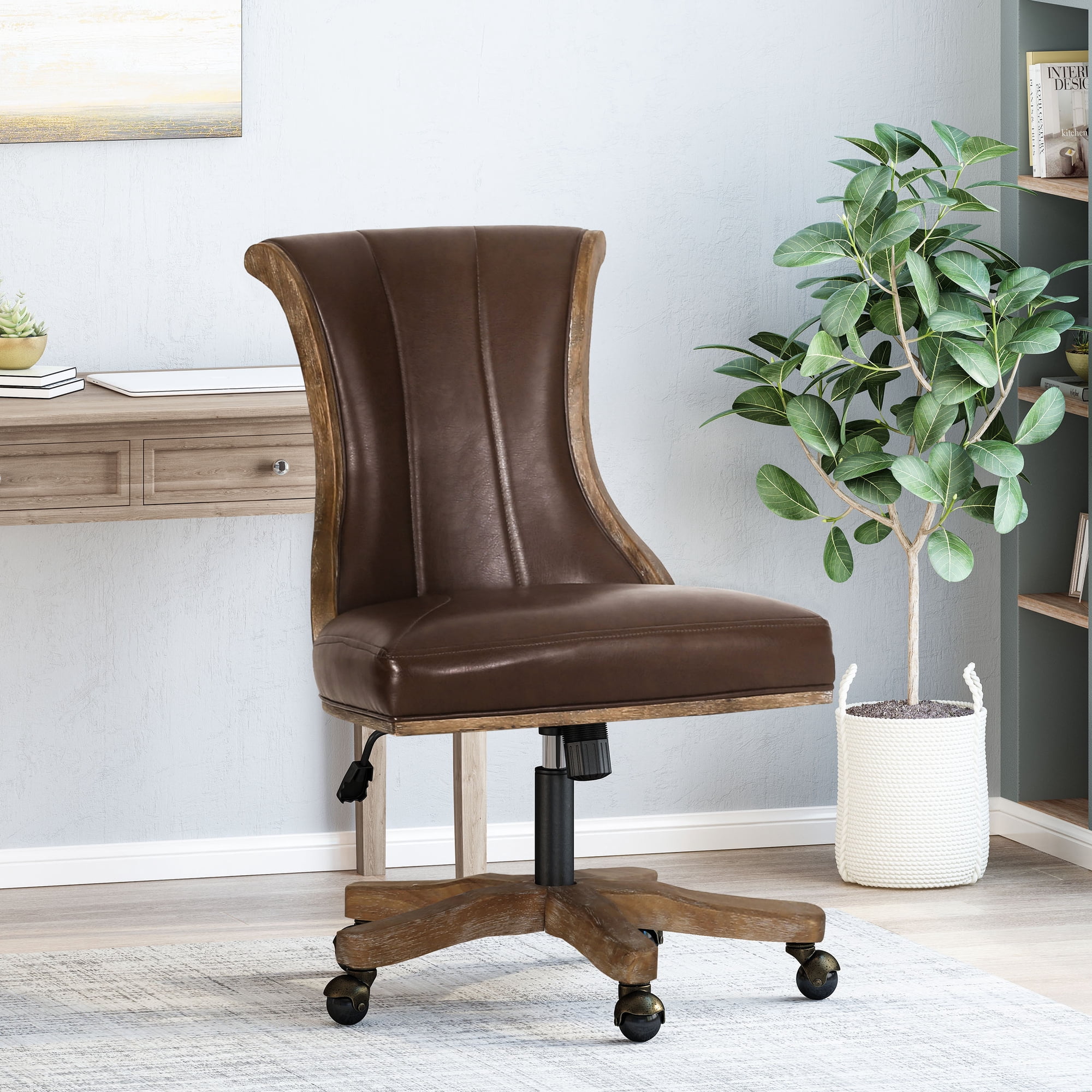
- Leather and vegan leather: Neutral leather chairs (think light tan, chalk, or dove grey) add a touch of luxury. Top-grain leather in lighter shades requires a bit more care but develops a beautiful patina. Faux leather in beige is easier to maintain and budget-friendly.
3. Ergonomic Adjustability Hiding in Plain Sight
A neutral office chair should first and foremost be a healthy place to sit. Essential adjustments include:
- Lumbar support depth and height – critical for lower back health. Many neutral chairs have internal lumbar mechanisms that you can dial in precisely.
- Seat depth slider – allows users with longer or shorter legs to sit with proper thigh support.
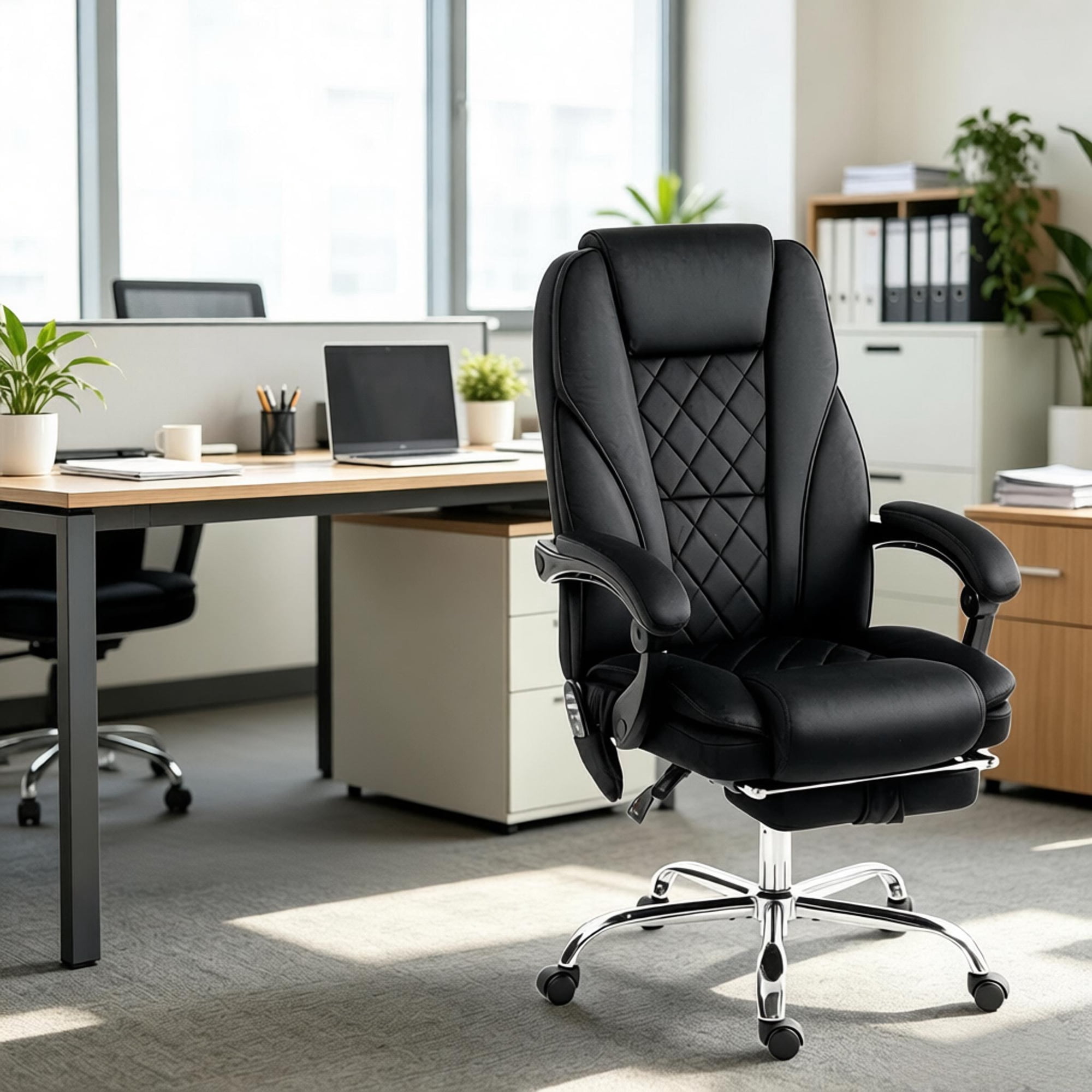
- Tilt tension and lock – lets you recline or stay upright. A synchronized mechanism keeps the seat and back moving together naturally.
- Headrest (optional but helpful) – if you often lean back to think, a neutral-toned headrest (matching the mesh or fabric) prevents neck strain.
Data from the Occupational Safety and Health Administration (OSHA) suggests that workers who use chairs with at least four adjustment points report 32% less musculoskeletal discomfort. Neutral chairs from reputable manufacturers often include all these adjustments without visual clutter.
4. Casters & Floor Protection
Even the casters can be neutral! Many chairs offer soft rubber casters in light grey or translucent white, which roll smoothly on carpets and hard floors without marking. For hardwood, look for roller-blade style wheels that are gentle and nearly silent.
Neutral Office Chair in Various Environments
One of the greatest advantages of a neutral office chair is its chameleon-like ability to fit any décor. Let's explore three common scenarios:
Interior decorators often use the "60-30-10 rule": 60% dominant color (walls/floor), 30% secondary (furniture like desk and chair), 10% accent (art, accessories). A neutral chair fits perfectly as the 30% element, allowing you to switch accent colors without replacing big furniture.
5 Myths About Neutral Office Chairs (Debunked)
- Myth 1: They show every stain. Reality: Many neutral fabrics are solution-dyed and treated with stain guards. A spill often wipes away more easily than from dark fabric, which can show dust and lint prominently.
- Myth 2: They're only for women. Reality: Neutral palettes are gender‑neutral. Grey, beige, and taupe are widely used in executive suites regardless of gender.
- Myth 3: They lack style. Reality: Minimalism is a strong design movement. Neutrals highlight the chair's form and ergonomic curves, creating an elegant, uncluttered look.
- Myth 4: They cost more. Reality: Price depends on brand and materials, not color. You can find affordable neutral chairs and high‑end black chairs — color is rarely a price factor.
- Myth 5: They fade quickly. Reality: Quality manufacturers use UV‑stabilized dyes. A chair placed away from direct window light will keep its tone for years.
📊 Industry Insight: A study by the Journal of Interior Design found that employees in offices with a cohesive, muted color palette reported 22% higher concentration levels compared to those in visually chaotic environments. A neutral office chair contributes directly to this focus-friendly atmosphere.
Comparison: Neutral Office Chair vs. Traditional Black Office Chair
| Aspect | Neutral Office Chair | Traditional Black Chair |
|---|---|---|
| Visual weight | Light, airy, recedes visually | Heavy, dominant, anchors the room |
| Flexibility with décor | Blends with pastels, woods, whites | Matches industrial or monochrome |
| Heat absorption | Reflects light, stays cooler | Absorbs heat, can feel warmer |
| Hide dirt? | Shows some marks but easy to clean | Hides dirt but shows lint/dust |
Frequently Asked Questions – Neutral Office Chair
Conclusion: Invest in Serenity and Support
Choosing a neutral office chair is more than a design decision — it's a commitment to a workspace that promotes calm and focus. With advancements in ergonomic engineering and durable, easy‑care fabrics, you no longer have to choose between aesthetics and health. Whether you opt for a breathable mesh back in dove grey, a padded linen-blend seat in oatmeal, or a sleek vegan leather chair in almond, your back and your eyes will thank you. Remember to check the adjustment range, weight capacity, and warranty. Then, let the chair quietly disappear into the background while you do your best work.